BOOK
0
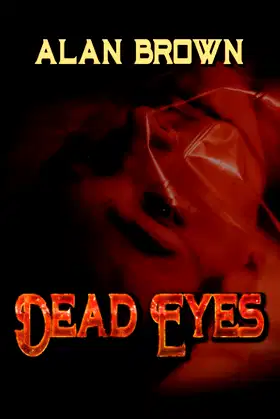
The dead are rising ― but they aren't your garden-variety zombies. Dr. John Requin becomes the center of a cultural zeitgeist, the unwilling eye of a social hurricane in a book that redefines the undead in a bizarre cocktail of black humor, political satire, and family drama.
Shepherd (Man-Man) and Boney (Plug-In Boy) give zombies civil rights in this imaginative but limited graphic novel. Not the average brain-eaters (a phrase used as a slur in the comic), these zombies are still human-alive and conscious, even-except that they're dead. John Requin is an undead psychologist with a private practice who keeps his office one degree above frigid in order to keep his body from decomposing and prevent the stench from driving his clients away. When he's discovered by a renegade group of "Returners" or undead, he discovers that he's not alone and is folded into a larger government operation. Both writer and artist explore sociopolitical and religious issues surrounding members of society who don't die. Unfortunately, the themes of zombie rights and government manipulation come across as heavy-handed and act as an obstacle for character development and story growth. Dead Eyes Open is very plot oriented, starting at point A and never wavering in its course to point B. The pacing and Boney's textured illustration and painterly line are flawlessly matched, but the story is too frenzied. (Feb.) Copyright © Reed Business Information, a division of Reed Elsevier Inc. All rights reserved.
Find it on
AmazonNo videos available yet.
No news articles linked to this title yet.

Overall
Overall rating of the media
Atmosphere
How immersive and tense is the atmosphere
Gore
Level and quality of gore/violence
Story
Quality of the storyline and plot
Writing
Quality of the written content
Character Development
Depth and growth of characters
Pacing
Flow and timing of the narrative