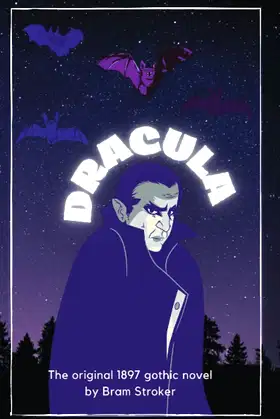
![Dracula by Bram Stoker: Original 1897 Edition [Illustrated] poster](https://cdn.scary.co/posters/aaf04301-b0dc-4dea-b086-34f33df83af6.jpg?class=poster)
BOOK
0
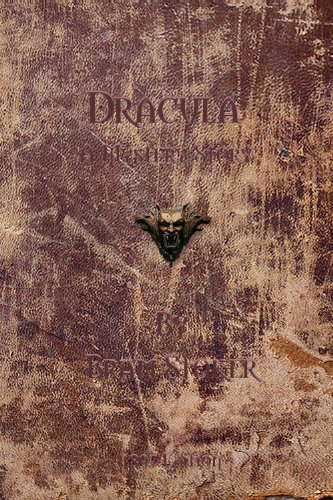
If you're a Twilight, Vampire Diaries or Trueblood fan you'll want to check out this original work, the grandfather of vampire legend!There are so many similar stories/movies based on vampires but Dracula is one of the oldest and most popular ones. Reading a book with such a familiar theme is always an interesting experience for me. More than just another vampire story, I like the fact that the characters are not presented as pure evil ones with the mere aim of spilling blood or ultimate, infallible heroes, who would save the world no matter what. The whole story and characters have a 'human' touch.Bram Stoker (1847-1912), Irish theatre critic and author wrote the Gothic horror novel Dracula (1897);Written in epistolary fashion, Stoker introduces us to the young solicitor Jonathan Harker as he travels to Transylvania to assist Count Dracula in a real estate transaction.Dracula is often referred to as the definitive vampire novel, but it is possible that Stoker was influenced by Joseph Sheridan LeFanu's (1814-1873) Gothic vampire novella Carmilla (1872). In any event, if you're a vampire fan, you owe it to yourself to give this a read.
“Stoker gives us the most remarkable scenes of horror...each is unforgettable, and no movie has quite done justice to any of them.”
“Those who cannot find their own reflection in Bram Stoker's still-living creation are surely the undead.”
This new edition of Dracula, offering the complete text of the original book with more than 50 original illustrations in the form of horizontal and vertical panels, spot illustrations, and ornate borders by Becky Cloonan, will delight Dracula fans. This is a Dracula we've never seen before—contemporary, edgy, stylishly macabre with Victorian overtones, and an unusual color palette.
From Brooke Allens Introduction to DraculaUpon its publication in 1897, Bram Stokers Dracula was seen as nothing more than a slightly cheesy thriller, if an unusually successful one. Most such "shilling shockers" were forgotten within a year or two. But this one was different: Over the course of the next century Count Dracula, the aristocratic vampire, left his natural habitat between the pages of a book and insinuated himself into the worlds consciousness as few other fictional characters haveever done. Now, more than a hundred years after his appearance in print, Dracula has shed the status of "fictional character" altogether and has become an authentic modern myth.Why has this odd and terrifying figure exerted such a hold on our collective imagination? Why does the image of the vampire both attract and repel, in apparently equal measure? If, as has been argued, Dracula owes its success to its reflection of specific anxieties within the culture, why then has its power continued unabated throughout more than a century of unprecedented social change? Late-Victorian anxieties and concerns were rather different from our own, yet the lure of the vampire and the persistence of his image seem as strong as ever.Draculas durability may in part be due to Tod Brownings 1931 film, for when most people think of the character, it is Bela Lugosis portrayal that springs to mind. But in spite of memorable performances by Lugosi and by Dwight Frye as Renfield, the film is awkward and clunky, even laughable in parts; in terms of shocking, terrible, and gorgeous images, it cannot compare with the novel that inspired it. It is hard to believe that, on its own, it would have created such an indelible impact.Once Dracula became lodged in the popular imagination, it began to accrue ever-new layers of meaning and topicality. The novel has provided rich material for every fad and fancy of twentieth-century exegesis. It has been deconstructed by critics of the Freudian, feminist, queer theory, and Marxist persuasions, and has had something significant to offer each of these fields. Today, in the age of AIDS, the exchange of blood has taken on a new meaning, and Dracula has taken on a new significance in its turn. For post-Victorian readers, it has been a little too easy to impose a pat "Freudian" reading on the novel, in which the vampire represents deviant, dangerous sexuality, while the vampire-hunters stand for sexual repression in the form of bourgeois marriage and overly spiritualized relationships. This interpretation certainly contains a large element of truth, but the novels themes are much richer and more complex than such a reading might suggest.Readers coming to Dracula for the first time should try to peel away the layers of preconception that they can hardly help bringing to the novel. We should try to forget Bela Lugosi; we should try to forget easy (and anachronistic) Freudian cliches; we should put out of our minds all our received twentieth- and twenty-first-century notions of friendship and love, both heterosexual and homosexual. If we let the novel stand on its own, just as it appeared to Bram Stokers contemporaries in the last years of the Victorian era, what exactly do we find?
Find it on
AmazonNo videos available yet.
No news articles linked to this title yet.

Overall
Overall rating of the media
Atmosphere
How immersive and tense is the atmosphere
Gore
Level and quality of gore/violence
Story
Quality of the storyline and plot
Writing
Quality of the written content
Character Development
Depth and growth of characters
Pacing
Flow and timing of the narrative
![Average rating for Dracula by Bram Stoker: Original 1897 Edition [Illustrated]](https://cdn.scary.co/assets/filled-star.svg)