BOOK
0
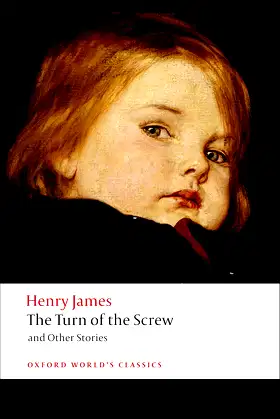
A young governess turns up at a country estate in Essex to care for Miles and Flora, two young orphans left in care of their absentee uncle. Soon after her tenure begins, the governess begins to see strangers walking the grounds, and interacting with the siblings in odd and disturbing ways. The governess begins to feel they are not wholly human—but rather are ghosts haunting Miles and Flora, and their influence upon the children has tragic consequences.HarperPerennialClassics brings great works of literature to life in digital format, upholding the highest standards in ebook production and celebrating reading in all its forms. Look for more titles in the HarperPerennial Classics collection to build your digital library.
The story starts conventionally enough with friends sharing ghost stories 'round the fire on Christmas Eve. One of the guests tells about a governess at a country house plagued by supernatural visitors. But in the hands of Henry James, the master of nuance, this little tale of terror is an exquisite gem of sexual and psychological ambiguity. Only the young governess can see the ghosts; only she suspects that the previous governess and her lover are controlling the two orphaned children (a girl and a boy) for some evil purpose. The household staff don't know what she's talking about, the children are evasive when questioned, and the master of the house (the children's uncle) is absent. Why does the young girl claim not to see a perfectly visible woman standing on the far side of the lake? Are the children being deceptive, or is the governess being paranoid? By leaving the questions unanswered, The Turn of Screw generates spine-tingling anxiety in its mesmerized readers.
The Turn of the Screw (1898) , Henry James’ transcendent ghost novella, is the story of a governess trusted with the care of two well-to-do children: when possessed with a psychic connection to two former employees of the estate, the Governess does everything she can shield them from the incarnation of evil.
Find it on
AmazonNo videos available yet.
No news articles linked to this title yet.

Overall
Overall rating of the media
Atmosphere
How immersive and tense is the atmosphere
Gore
Level and quality of gore/violence
Story
Quality of the storyline and plot
Writing
Quality of the written content
Character Development
Depth and growth of characters
Pacing
Flow and timing of the narrative