

BOOK
0
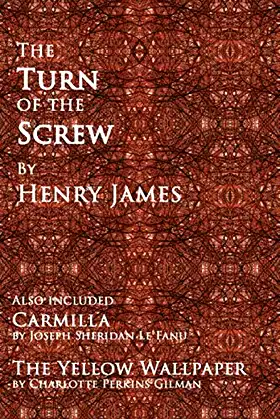
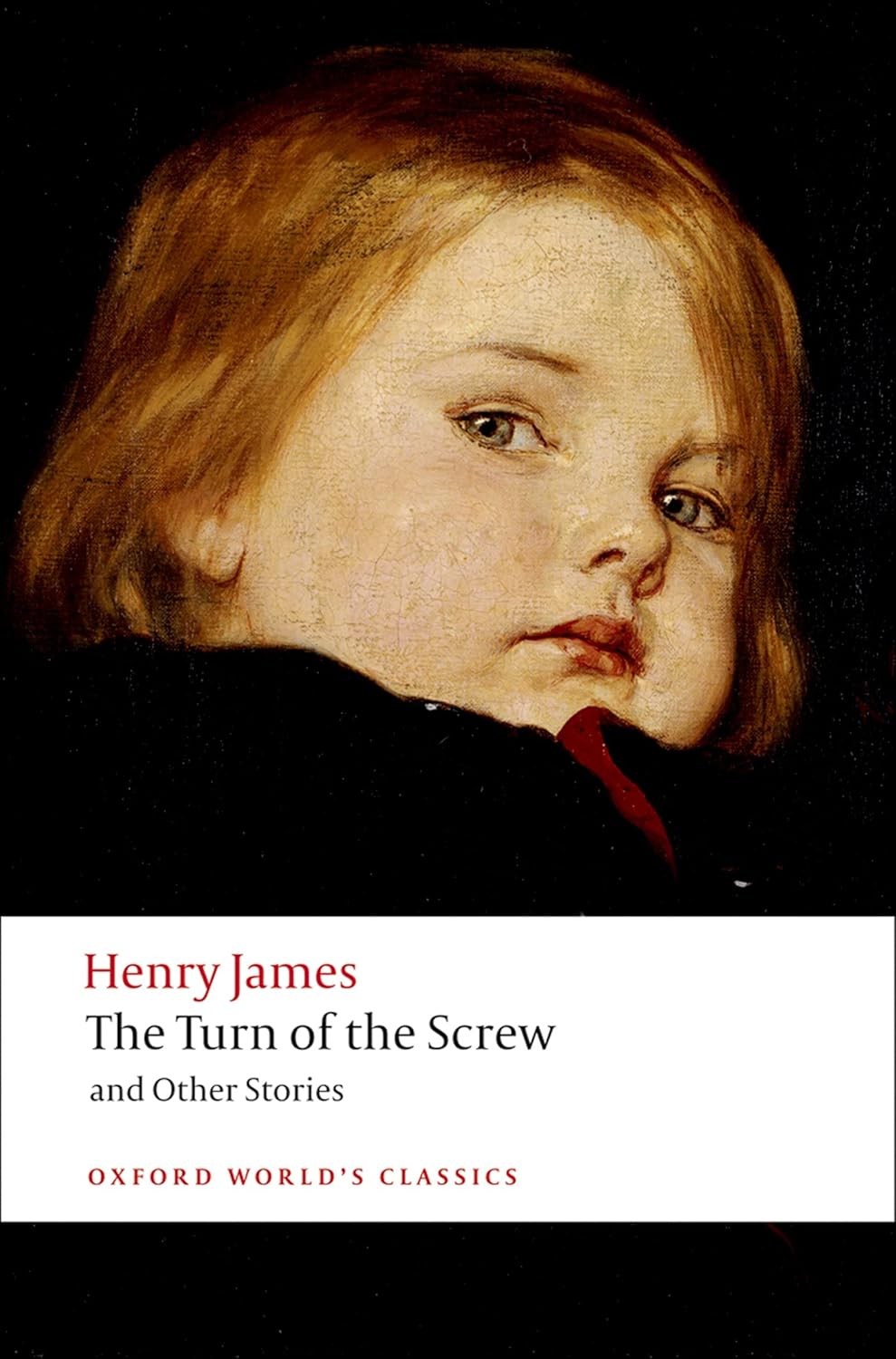
A young, inexperienced governess is charged with the care of Miles and Flora, two small children abandoned by their uncle at his grand country house. She sees the figure of an unknown man on the tower and his face at the window. It is Peter Quint, the master's dissolute valet, and he has come for little Miles. But Peter Quint is dead. Like the other tales collected here - `Sir Edmund Orme', `Owen Wingrave', and `The Friends of the Friends' - `The Turn of the Screw' is to all immediate appearances a ghost story. But are the appearances what they seem? Is what appears to the governess a ghost or a hallucination? Who else sees what she sees? The reader may wonder whether the children are victims of corruption from beyond the grave, or victims of the governess's `infernal imagination', which torments but also entrals her? `The Turn of the Screw' is probably the most famous, certainly the most eerily equivocal, of all ghostly tales. Is it a subtle, self-conscious exploration of the haunted house of Victorian culture, filled with echoes of sexual and social unease? Or is it simply, `the most hopelessly evil story that we have ever read'? The texts are those of the New York Edition, with a new Introduction and Notes. ABOUT THE SERIES: For over 100 years Oxford World's Classics has made available the widest range of literature from around the globe. Each affordable volume reflects Oxford's commitment to scholarship, providing the most accurate text plus a wealth of other valuable features, including expert introductions by leading authorities, helpful notes to clarify the text, up-to-date bibliographies for further study, and much more.
Find it on
AmazonNo videos available yet.
No news articles linked to this title yet.

Overall
Overall rating of the media
Atmosphere
How immersive and tense is the atmosphere
Gore
Level and quality of gore/violence
Story
Quality of the storyline and plot
Writing
Quality of the written content
Character Development
Depth and growth of characters
Pacing
Flow and timing of the narrative