

BOOK
0
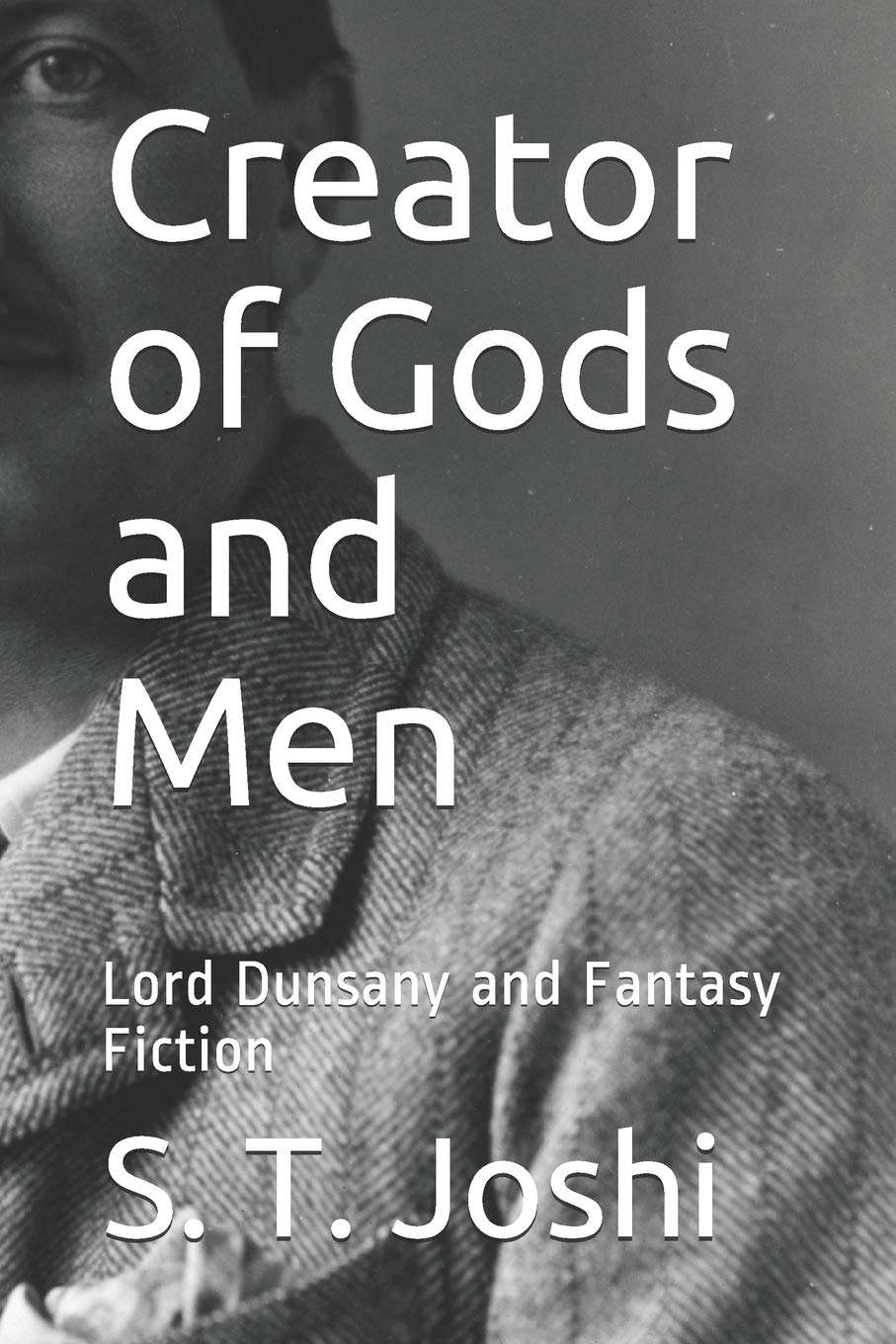
The Anglo-Irish writer Lord Dunsany (1878-1957) was a pioneering author of fantasy fiction. In his first book, The Gods of Pegāna (1905), he introduced an entire cosmogony of gods, demigods, and worshippers in an imaginary land. Subsequent volumes, such as A Dreamer’s Tales (1910) and The Book of Wonder (1912), made Dunsany one of the most acclaimed writers of his time. He also attained celebrity for his plays, staged both at the Abbey Theatre in Dublin and in London and New York. In the 1920s he began writing novels, including The King of Elfland’s Daughter (1924). In the 1930s he wrote several poignant novels about Ireland, including The Curse of the Wise Woman (1933) and The Story of Mona Sheehy (1939). Dunsany continued to write prolifically for decades, and his output includes short stories, novels, plays, essays, and poetry. S. T. Joshi, one of the leading authorities on weird fiction, has written a comprehensive study of Dunsany’s entire work, identifying reunification with the natural world as the central theme that shapes nearly the totality of his writing. Joshi’s analysis reveals the depth and richness of an author whose work has influenced J. R. R. Tolkien, Ursula K. Le Guin, and many other writers of fantasy fiction.
Find it on
AmazonNo videos available yet.
No news articles linked to this title yet.

Overall
Overall rating of the media
Atmosphere
How immersive and tense is the atmosphere
Gore
Level and quality of gore/violence
Story
Quality of the storyline and plot
Writing
Quality of the written content
Character Development
Depth and growth of characters
Pacing
Flow and timing of the narrative