

BOOK
0
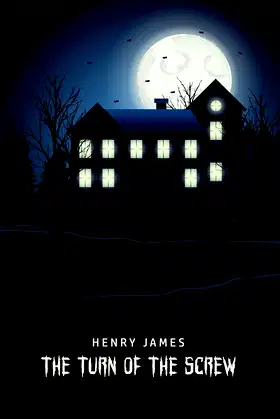
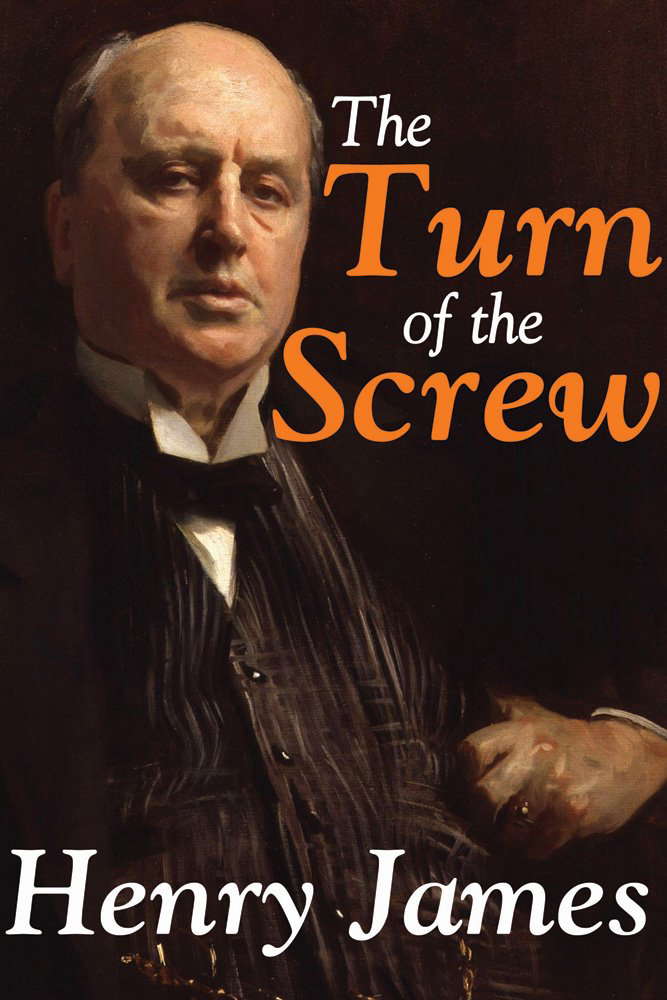
The Turn of the Screw is a departure from the type of work which James was generally doing at the turn of the twentieth century. It is about ghosts and reveals the dark side of humanity. James’s story is based on an earlier one told to him by the Archbishop of Canterbury in January 1895. The Archbishop’s story tells of young children left in the care of servants in an old country house following the death of their parents. The servants, however, are evil and uncaring and the children inherit their legacy of wickedness. In their turn, the servants die and come back to haunt the country house and torment the children. The ghosts of the servants call out to the children and try to lure them to their deaths at dangerous points throughout the property. Failing that, the ghosts try to take control of the children.Despite its appearance of being a simple “ghost story,” The Turn of the Screw has provoked much debate among literary critics. It can be a romance in the tradition of Hawthorne, a macabre tale worthy of the best of Poe, or a Freudian drama, all depending on the reader’s agenda. In any event, The Turn of the Screw is undoubtedly James’s most controversial and well-known piece of fiction. Many agendas have tried to find something in the story. The Turn of the Screw has been subjected to feminist, Marxist, and decon-structionist critiques.Ironically, The Turn of the Screw began as an oral tale, much like a ghost story. By his mid fifties, James could no longer write with a pen because of what we today know as carpal tunnel syndrome. He dictated the story to his secretary, who typed as James spoke. He dictated the story through the fall of 1897 and completed it in November of that year. It appeared in Collier’s Weekly, a then very prominent literary magazine, from January to April 1898. It later was produced as a book. The Turn of the Screw has gone on to become a classic of American literature and set the standard for similar stories of its day.
Find it on
AmazonNo videos available yet.
No news articles linked to this title yet.

Overall
Overall rating of the media
Atmosphere
How immersive and tense is the atmosphere
Gore
Level and quality of gore/violence
Story
Quality of the storyline and plot
Writing
Quality of the written content
Character Development
Depth and growth of characters
Pacing
Flow and timing of the narrative