

BOOK
0
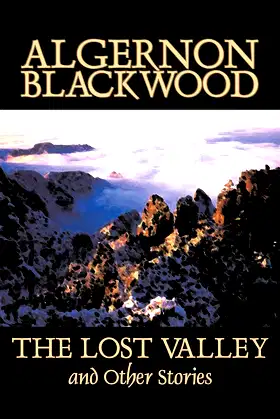
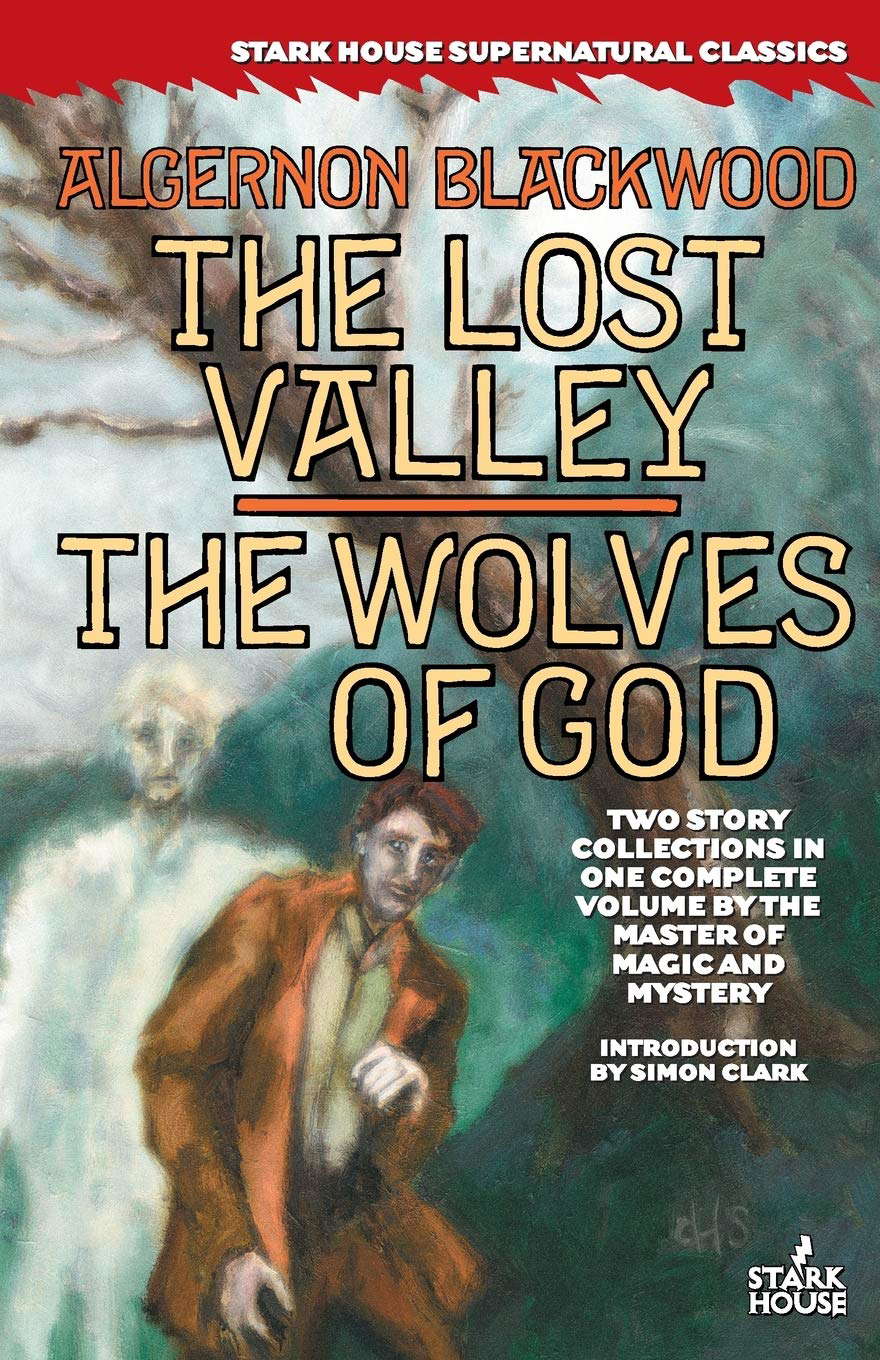
THE LOST VALLEY Algernon Blackwood spent the first half of 1909 traveling around Switzerland. When he returned to England, he produced around twenty stories, most of which formed the basis for his next collection, The Lost Valley, published by Eveleigh Nash in June, 1910. Here are supernatural nature mysteries, ghost stories and visions galore—tales of loss and redemption, and the horror of the unknown—taking the reader from the stark terror of “The Wendigo” and “Old Clothes” to the light of hope in “Carlton’s Drive” and the spiritual finale, “The Eccentricity of Simon Parnacute.” THE WOLVES OF GODBy 1920, Blackwood had recovered from the depression of the First World War, and began writing again with a renewed zest, inspired to some degree by his explorer friend, Wilfrid Wilson, to whom he gave co-credit for the 1921 collection, The Wolves of God, though all the stories were by Blackwood. Many of these tales are wilderness stories, like the title story, "Running Wolf," "First Hate" and "The Valley of the Beasts." But The Wolves of God also features some fine supernatural romances like "The Call" and "The Lane That Ran East and West;" ghostly retribution in "The Decoy;" mystery and murder in "Confession;" and the strange call of the past in "The Tarn of Sacrifice." These are strange stories of retribution and mystical intervention, of horror and hope—of the magic and mystery of life. In all, twenty-four stories by the master supernatural writer of the 20th century—Algernon Blackwood!
The Lost Valley Algernon Blackwood spent the first half of 1909 traveling around Switzerland. When he returned to England, he produced around twenty stories, most of which formed the basis for his next collection, The Lost Valley, published by Eveleigh Nash in June, 1910. Here are supernatural nature mysteries, ghost stories and visions galore tales of loss and redemption, and the horror of the unknown taking the reader from the stark terror of The Wendigo and Old Clothes to the light of hope in Carlton s Drive and the spiritual finale, The Eccentricity of Simon Parnacute. The Wolves of God By 1920, Blackwood had recovered from the depression of the First World War, and began writing again with a renewed zest, inspired to some degree by his explorer friend, Wilfrid Wilson, to whom he gave co-credit for the 1921 collection, The Wolves of God, though all the stories were by Blackwood. Many of these tales are wilderness stories, like the title story, "Running Wolf," "First Hate" and "The Valley of the Beasts." But The Wolves of God also features some fine supernatural romances like "The Call" and "The Lane That Ran East and West;" ghostly retribution in "The Decoy;" mystery and murder in "Confession;" and the strange call of the past in "The Tarn of Sacrifice." These are strange stories of retribution and mystical intervention, of horror and hope of the magic and mystery of life. In all, twenty-four stories by the master supernatural writer of the 20th century Algernon Blackwood!|The Lost Valley Algernon Blackwood spent the first half of 1909 traveling around Switzerland. When he returned to England, he produced around twenty stories, most of which formed the basis for his next collection, The Lost Valley, published by Eveleigh Nash in June, 1910. Here are supernatural nature mysteries, ghost stories and visions galore tales of loss and redemption, and the horror of the unknown taking the reader from the stark terror of The Wendigo and Old Clothes to the light of hope in Carlton s Drive and the spiritual finale, The Eccentricity of Simon Parnacute. The Wolves of God By 1920, Blackwood had recovered from the depression of the First World War, and began writing again with a renewed zest, inspired to some degree by his explorer friend, Wilfrid Wilson, to whom he gave co-credit for the 1921 collection, The Wolves of God, though all the stories were by Blackwood. Many of these tales are wilderness stories, like the title story, "Running Wolf," "First Hate" and "The Valley of the Beasts." But The Wolves of God also features some fine supernatural romances like "The Call" and "The Lane That Ran East and West;" ghostly retribution in "The Decoy;" mystery and murder in "Confession;" and the strange call of the past in "The Tarn of Sacrifice." These are strange stories of retribution and mystical intervention, of horror and hope of the magic and mystery of life. In all, twenty-four stories by the master supernatural writer of the 20th century Algernon Blackwood!
Find it on
AmazonNo videos available yet.
No news articles linked to this title yet.

Overall
Overall rating of the media
Atmosphere
How immersive and tense is the atmosphere
Gore
Level and quality of gore/violence
Story
Quality of the storyline and plot
Writing
Quality of the written content
Character Development
Depth and growth of characters
Pacing
Flow and timing of the narrative