
BOOK
0
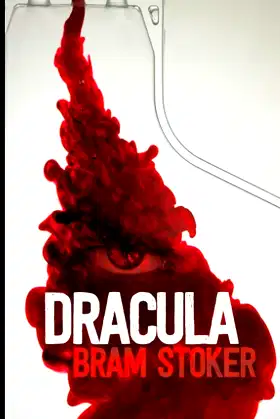
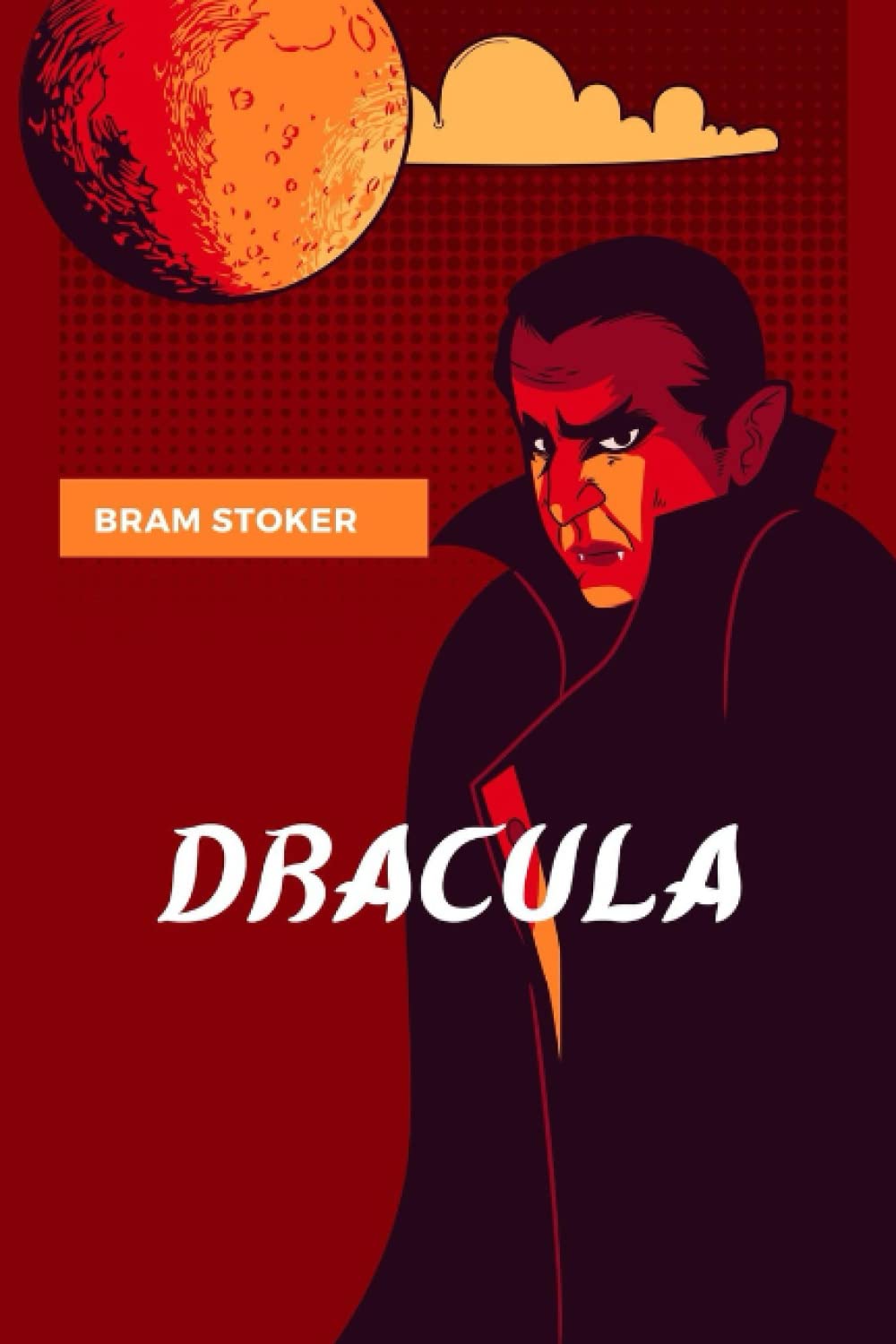
Dracula is a novel by Bram Stoker, published in 1897. As an epistolary novel, the narrative is related through letters, diary entries, and newspaper articles. It has no single protagonist but opens with solicitor Jonathan Harker taking a business trip to stay at the castle of a Transylvanian noble, Count Dracula. Harker escapes the castle after discovering that Dracula is a vampire, and the Count moves to England and plagues the seaside town of Whitby. A small group, led by Abraham Van Helsing, hunt Dracula and kills him.Do you enjoy reading gothic horror novels? Then this is a novel is for you.Why Should You Order This Book? This novel has a readable fontA brief biography of the AuthorAccess to a literary classic that is widely read around the worldCharacter AnalysisFull Book SummaryThere's so much more!So, if you want to get your hands on this wonderful book, scroll ahead and click the "Add to Cart" button right now!Dracula was Stoker's seventh published book, following The Shoulder of Shasta and preceding Miss Betty. Stoker supplemented his income from the theatre by writing romance and sensation novels. He had published 18 books by his death in 1912. Many figures have been suggested as inspirations for Count Dracula, but there is no consensus. The story was a deleted first chapter from early in the original manuscript and replicates Carmilla's setting of Styria instead of Transylvania. Stoker researched extensively, assembling over 100 pages of notes, including chapter summaries and plot outlines.
Find it on
AmazonNo videos available yet.
No news articles linked to this title yet.

Overall
Overall rating of the media
Atmosphere
How immersive and tense is the atmosphere
Gore
Level and quality of gore/violence
Story
Quality of the storyline and plot
Writing
Quality of the written content
Character Development
Depth and growth of characters
Pacing
Flow and timing of the narrative