

BOOK
0
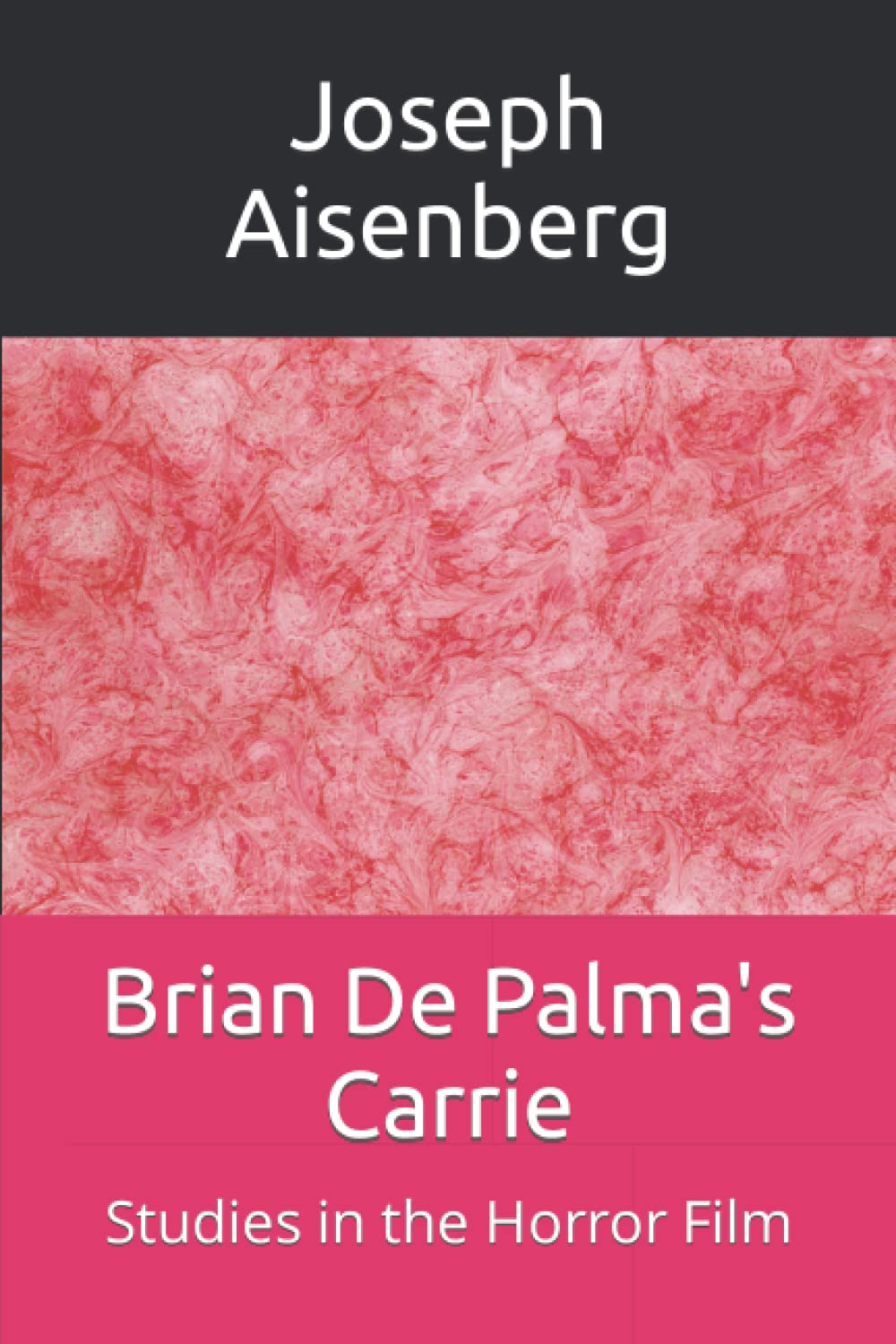
Brian De Palma's 1976 adaptation of best-selling author Stephen King's first published novel Carrie didn't just put him on the map as one of the leading directors of the seventies, but became a landmark of the horror genre and one of the most iconic films of The New Hollywood. Over the years it's been the subject of praise, admiration, imitation, derision and polemical controversy, viewed simultaneously as a sick joke, a social satire, and a put down to women. Joseph Aisenberg's monumental study takes on the movie from every angle, from its first inception as a novel to its final incarnation on the screen. Providing an in-depth scene-by-scene analysis, he examines not only the filmmakers' intentions--the who, what and how of it--but the arc of the film's dramatic development, how its laughs and scares and expressionistic symbolism work together. Aisenberg reveals Carrie as a masterpiece of style, paranoiac wish-fulfillment and divided emotional perspectives. The author takes on Carrie's complex critical history; compares differences between the original novel, screenplay drafts, and the final film; provides interviews with De Palma and screenwriter Lawrence D. Cohen; and in the process comes to grips with the long shadow of Carrie's popular legacy.
Find it on
AmazonNo videos available yet.
No news articles linked to this title yet.

Overall
Overall rating of the media
Atmosphere
How immersive and tense is the atmosphere
Gore
Level and quality of gore/violence
Story
Quality of the storyline and plot
Writing
Quality of the written content
Character Development
Depth and growth of characters
Pacing
Flow and timing of the narrative