
BOOK
0
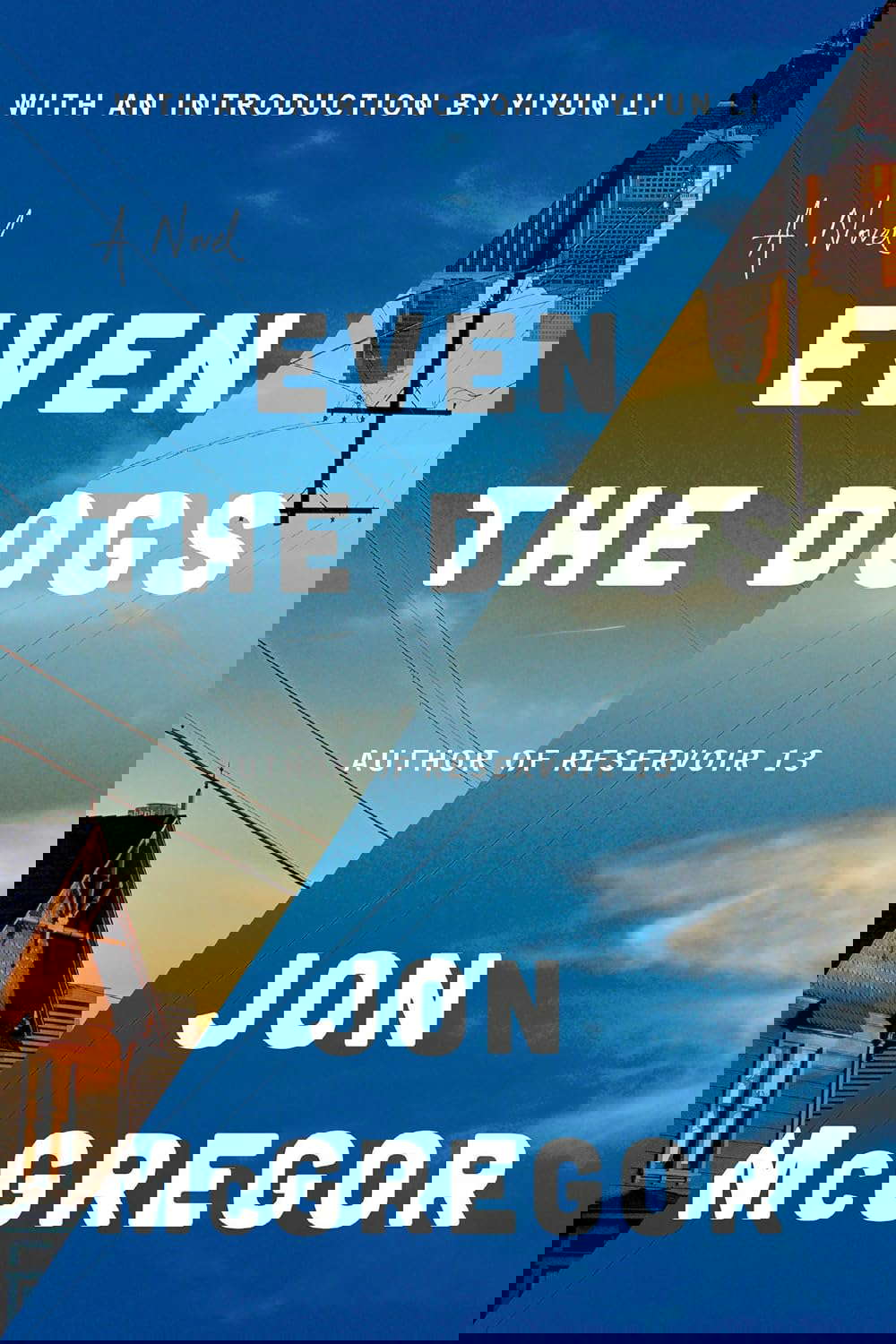
"A ferocious book, at once intense and alarmingly unsentimental" (James Wood, The New Yorker), this intimate exploration of life at the edges of society is littered with love, loss, despair, and a half–glimpse of redemption―now reissued with an introduction by Yiyun LiOn a cold, quiet day between Christmas and the New Year, a man's body is found in an abandoned apartment. His friends look on, but they're dead, too. Their bodies found in squats and sheds and alleyways across the city. Victims of heroin, they're ghosts in the shadows, a chorus keeping vigil as the hours pass, paying their own particular homage as their friend's body is taken away, examined, investigated, and cremated.All of their stories are laid out piece by broken piece through a series of fractured narratives. We meet Robert, the deceased, the only alcoholic in a sprawling group of junkies; Danny, just back from uncomfortable holidays with family, who discovers the body; Laura, Robert's daughter, who stumbles into the drug addict's life when she moves in with her father after years apart; Heather, who has her own home for the first time since she was a teenager; Mike, the Falklands War vet; and all the others. Theirs are stories of lives fallen through the cracks, hopes flaring and dying, love overwhelmed by more immediate needs. These invisible people live in a parallel reality to most of us, out of reach of food and shelter. And in their sudden deaths, it becomes clear, they are treated with more respect than they ever were in their short lives.Winner of the International Dublin Literary Award, Even the Dogs is a daring and humane exploration of homelessness and addiction from "a writer who will make a significant stamp on world literature. In fact, he already has" (Colum McCann, winner of the National Book Award).
This mercifully short third novel from McGregor (If Nobody Speaks of Remarkable Things) is told from the various perspectives of a loosely connected band of down-and-outers linked by Robert, a hopeless alcoholic whose wife has taken their daughter and left him alone in his flat, which has since become a gathering place for the members of McGregor's cast. Robert's death sets in motion the novel's events—it would be misleading to call it a plot—starting with the police taking away his body. For the most part, we're with Danny, whose past gradually comes to light via an expletive-laced narration that verges on incoherence: his foster home upbringing; his relationship with Robert's daughter, Laura, whom Danny is trying to contact; and of course, his heroin addiction, which provides much of the novel's subject matter. In the process, we learn about the group that frequented Robert's flat, a motley crew who provide plenty of sordid stories. But the central mystery—how did Robert die?—goes nowhere, and the spliced-in set pieces that describe the stages Robert's body undergoes on its way to eventual cremation don't do any favors for this misfire. (Feb.) Copyright © Reed Business Information, a division of Reed Elsevier Inc. All rights reserved.
In his third novel, two-time Booker nominee McGregor follows a band of ghostly drug addicts, who act as a Greek chorus as they witness their friend Robert’s body being carted out of his squalid apartment and taken to the morgue. Among them is Danny, an abused victim of the foster-care system; Steve, a traumatized war vet; and Heather, a once-popular groupie now an aging wreck. Robert himself gave into alcoholism years ago after his wife left him, taking their young daughter with her. Paralyzed by their desertion, he continued to drink himself into oblivion while serving as the toastmaster to neighborhood addicts, who, in turn, exhaust themselves in an endless round of scoring, eating, scrounging up money, and scoring again. With its complex flashback structure, fractured inner monologues, and grim characters, this novel makes for dense reading. Yet McGregor succeeds in paying homage to the dispossessed and the hopeless, who live and die on the margins of society. --Joanne Wilkinson
“As a novel about the consequences of addiction--particularly heroin addiction--'Even the Dogs' is harrowing. It details the physical, psychological, social and environmental damage, and portrays the all-consuming nature of the life...Using ghosts as narrators gives the book a haunting overtone. It lends resonance even to a simple observation like 'We see things differently now.' And it lets McGregor write with a gritty omniscience.”
“Ambitious, haunting… thought-provoking.”
“A rare combination of profound empathy and wonderful writing.”
“Those who enjoyed Hubert Selby Jr.'s "Requiem for a Dream" will value the style and the subject matter.”
“McGregor succeeds in paying homage to the dispossessed and the hopeless, who live and die on the margins of society.”
“McGregor puts the reader into the minds of this interconnected web of people bent on various journeys of self-destruction. He constructs a powerful, disjointed narrative about dependency that is nearly impossible to put down, though it's not easy reading.”
Find it on
AmazonNo videos available yet.
No news articles linked to this title yet.

Overall
Overall rating of the media
Atmosphere
How immersive and tense is the atmosphere
Gore
Level and quality of gore/violence
Story
Quality of the storyline and plot
Writing
Quality of the written content
Character Development
Depth and growth of characters
Pacing
Flow and timing of the narrative