

BOOK
0
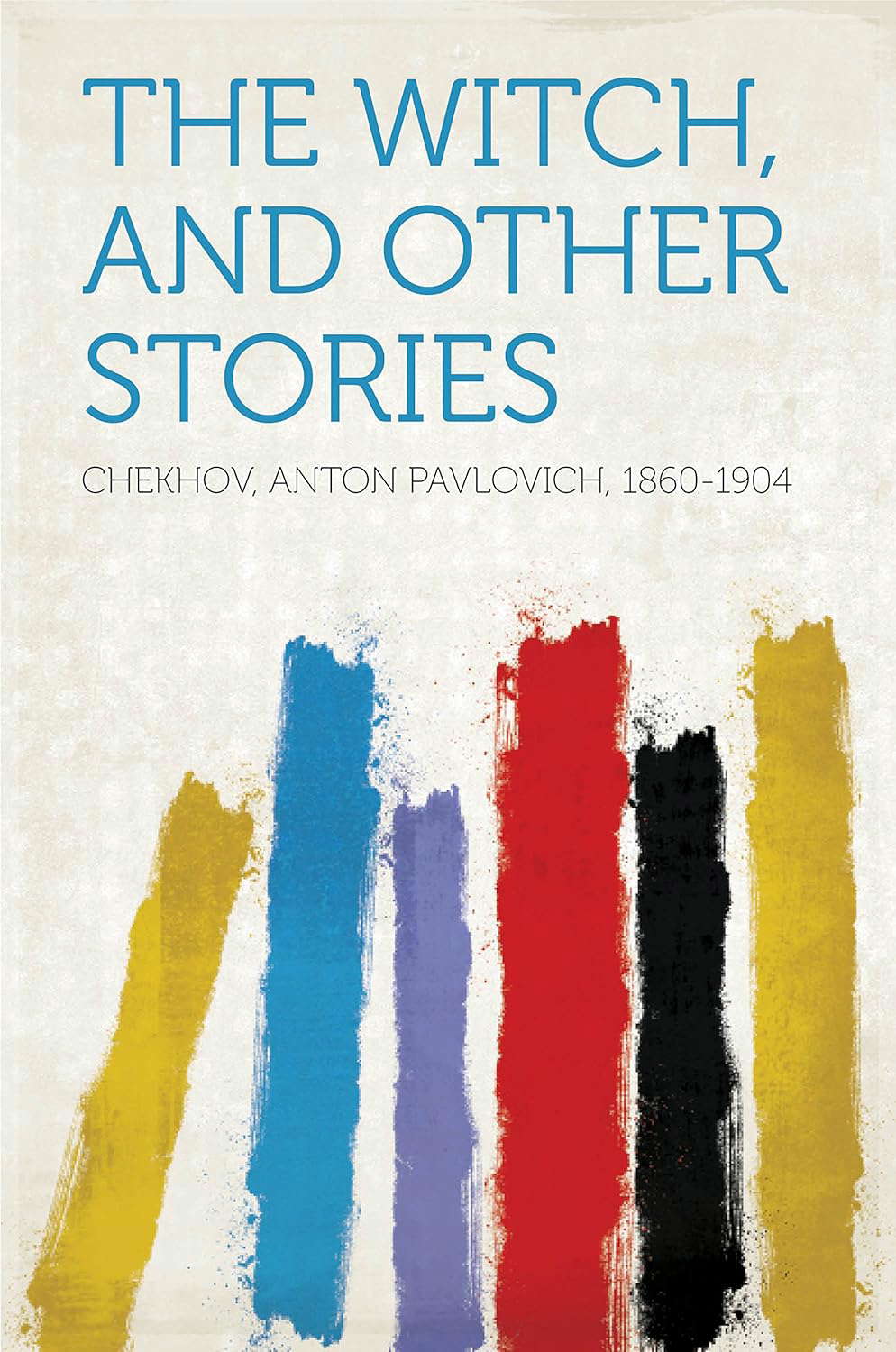
"The Witch, and Other Stories" by Anton Chekhov is a collection of short stories that delve into the complexities of human nature and relationships. The stories explore themes of suspicion, infidelity, betrayal, guilt, punishment, and the intricacies of human emotions. Chekhov masterfully captures the inner conflicts and moral dilemmas faced by his characters, offering a poignant and thought-provoking exploration of the human experience. From the eerie atmosphere of suspicion in "The Witch" to the tragic consequences of betrayal in "Peasant Wives," the collection showcases Chekhov's profound insight into the human psyche.
Designed for school districts, educators, and students seeking to maximize performance on standardized tests, Websters paperbacks take advantage of the fact that classics are frequently assigned readings in English courses. By using a running thesaurus at the bottom of each page, this edition of The Witch and Other Stories by Anton Chekhov was edited for students who are actively building their vocabularies in anticipation of taking PSAT®, SAT®, AP® (Advanced Placement®), GRE®, LSAT®, GMAT® or similar examinations. PSAT® is a registered trademark of the College Entrance Examination Board and the National Merit Scholarship Corporation neither of which sponsors or endorses this book; SAT® is a registered trademark of the College Board which neither sponsors nor endorses this book; GRE®, AP® and Advanced Placement® are registered trademarks of the Educational Testing Service which neither sponsors nor endorses this book, GMAT® is a registered trademark of the Graduate Management Admissions Council which is neither affiliated with this book nor endorses this book, LSAT® is a registered trademark of the Law School Admissions Council which neither sponsors nor endorses this product. All rights reserved.
Webster s edition of this classic is organized to expose the reader to a maximum number of synonyms and antonyms for difficult and often ambiguous English words that are encountered in other works of literature, conversation, or academic examinations. Extremely rare or idiosyncratic words and expressions are given lower priority in the notes compared to words which are "difficult, and often encountered" in examinations. Rather than supply a single synonym, many are provided for a variety of meanings, allowing readers to better grasp the ambiguity of the English language, and avoid using the notes as a pure crutch. Having the reader decipher a word s meaning within context serves to improve vocabulary retention and understanding. Each page covers words not already highlighted on previous pages. If a difficult word is not noted on a page, chances are that it has been highlighted on a previous page. A more complete thesaurus is supplied at the end of the book; Synonyms and antonyms are extracted from Webster s Online Dictionary.
Find it on
AmazonNo videos available yet.
No news articles linked to this title yet.

Overall
Overall rating of the media
Atmosphere
How immersive and tense is the atmosphere
Gore
Level and quality of gore/violence
Story
Quality of the storyline and plot
Writing
Quality of the written content
Character Development
Depth and growth of characters
Pacing
Flow and timing of the narrative