

BOOK
0
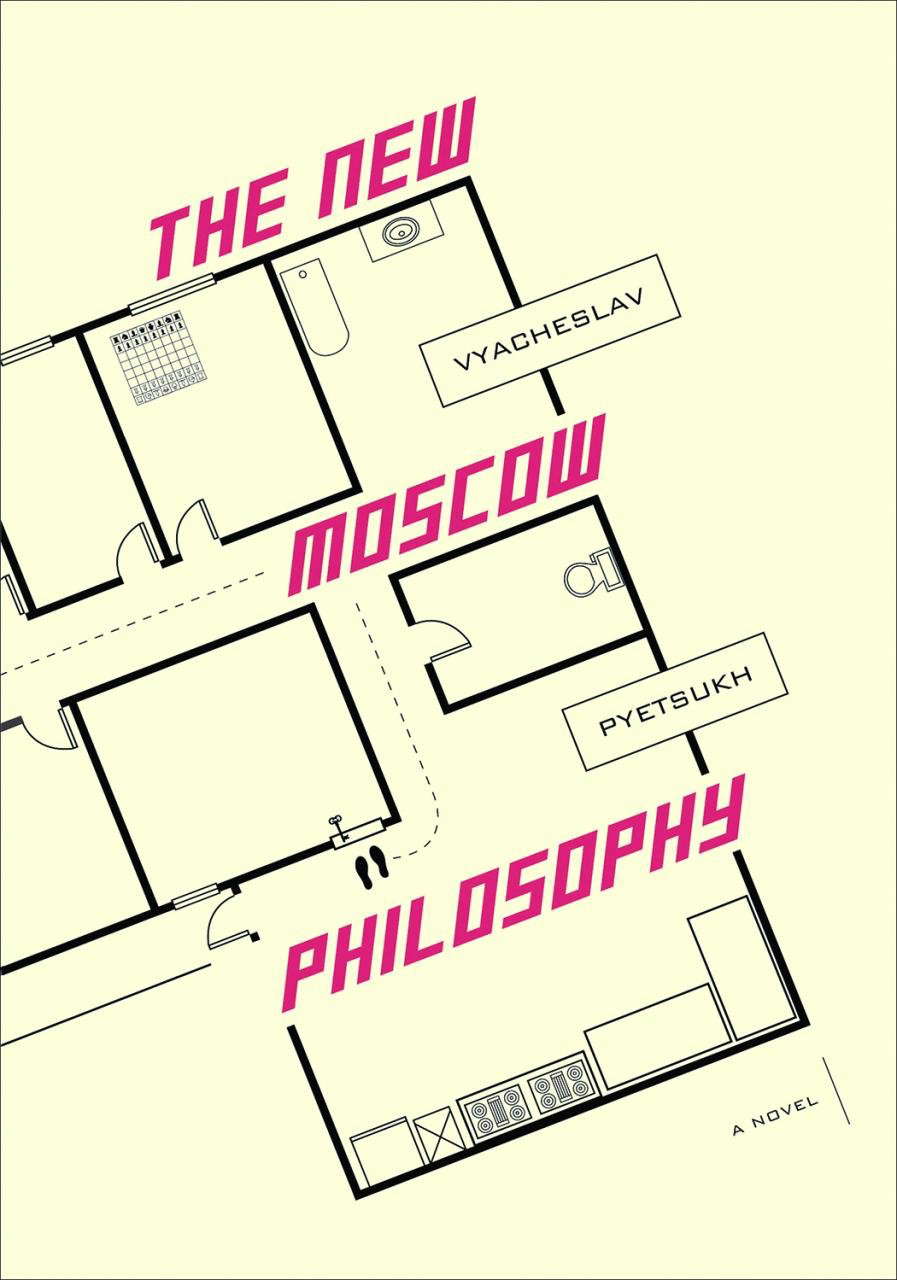
A communal apartment in late Soviet-era Moscow. An elderly tenant – the daughter of the apartment's original owner – has disappeared after seeing a ghost. Over the course of a weekend the other occupants meet in the kitchen to argue over who is more deserving of the room she has apparently vacated. If the old woman was murdered, each tenant is a suspect since each would have a motive: the "augmentation of living space." As two of the tenants engage in an extended debate over the nature of evil, they take it upon themselves to solve the mystery and nail the culprit, and it becomes clear that the entire tableau is a reprise of Dostoevsky's Crime and Punishment. Displaying a sharp wit and a Gogolian sense of the absurd, Pyetsukh visits anew the age-old debate over the relationship between life and art, arguing that in Russia life imitating literature is as true as literature reflecting life, and the novel strikes a perfect balance between the presentation of philosophical arguments and their discussion in humorous dialogue. A vital work of contemporary Russian prose, The New Moscow Philosophy was immediately translated into many European languages upon its publication in 1989. This is its first English translation.
"a snarl, delightfully tangled, of philosophy, humor, and humanity; it's not unlike the lives we live."
"Despite the seriousness of Pyetsukh's idea, it is refreshingly comical. The book's mock-historical narrative tone is self-aware, both embracing and mocking its grand aspirations."
Find it on
AmazonNo videos available yet.
No news articles linked to this title yet.

Overall
Overall rating of the media
Atmosphere
How immersive and tense is the atmosphere
Gore
Level and quality of gore/violence
Story
Quality of the storyline and plot
Writing
Quality of the written content
Character Development
Depth and growth of characters
Pacing
Flow and timing of the narrative