
BOOK
0
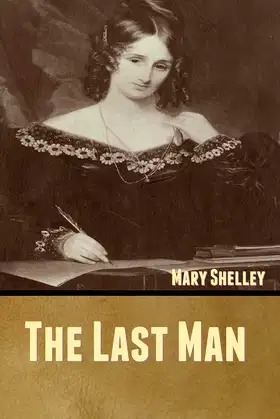
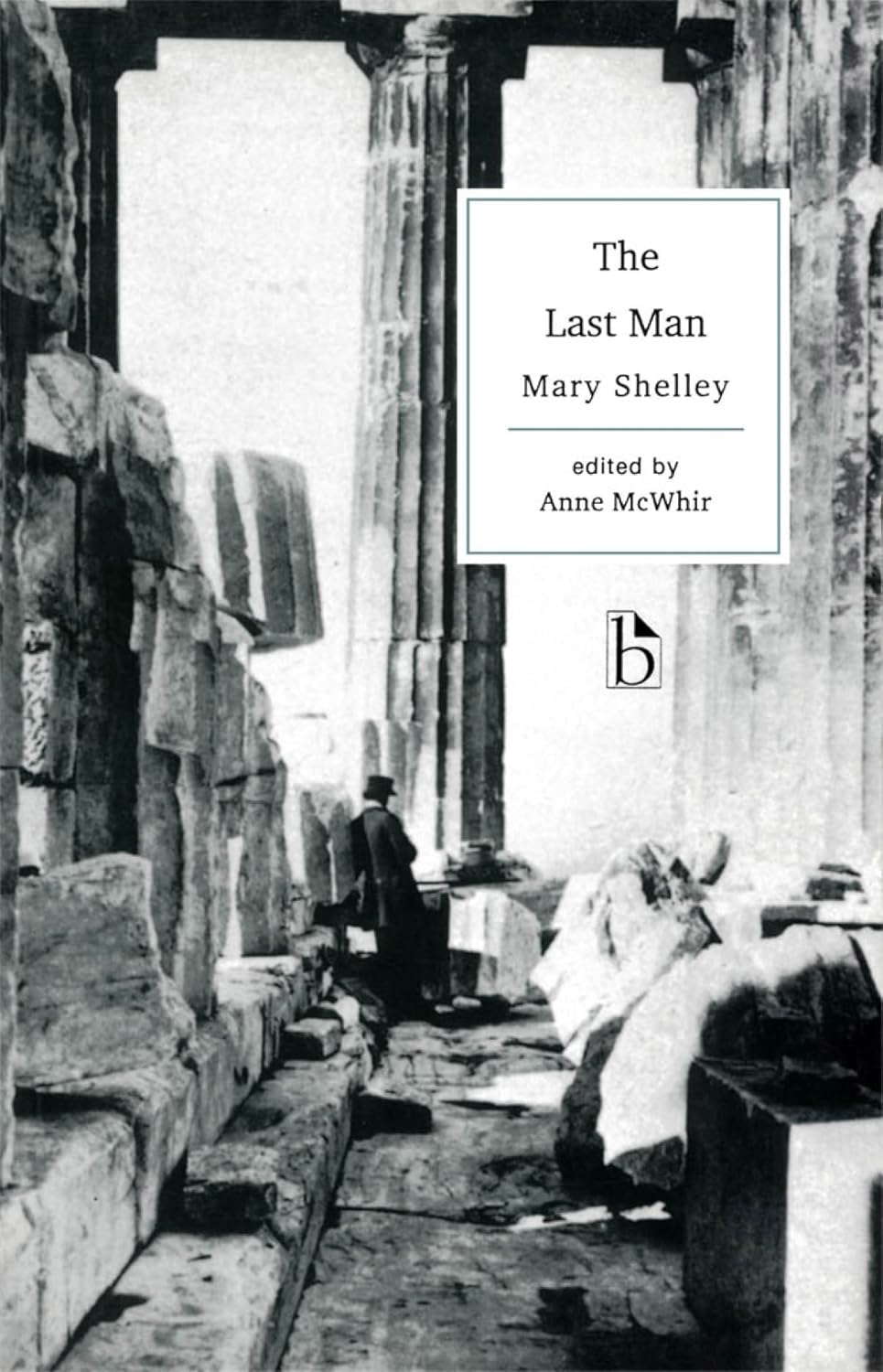
Mary Shelley’s third published novel, The Last Man, is a disillusioned vision of the end of civilization, set in the twenty-first century. The book offers a sweeping account of war, plague, love, and desolation. It is the sort of apocalyptic vision that was widespread at the time, though Shelley’s treatment of the theme goes beyond the conventional; it is extraordinarily interesting and deeply moving. If The Last Man is in some sense a “conventional” text of the period, it is also intensely personal in its origin; Shelley refers in her journal to the last man as her alter ego, “the last relic of a beloved race, my companions extinct before me.” The novel thus develops out of and contributes to a network of story and idea in which fantasy, allusion, convention, and autobiography are densely interwoven. This new version of the first edition (1826) sets out to provide not only a thoroughly annotated text, but also contextual materials to help the reader acquire knowledge of the intellectual and literary milieu out of which the novel emerged. Appendices include material on “the last man” as early nineteenth-century hero, texts from the debate initiated by Malthus in 1798 about the adequacy of food supply to sustain human population, various accounts of outbreaks of plague, and Shelley’s poems representing her feelings after the death of her husband.
“Anne McWhir’s edition of The Last Man is first rate! Mary Shelley’s novel is well served by a careful editor who provides an informed introduction, comprehensive annotations, and well-chosen appendices that contextualize this richly complex novel―Shelley herself would have been pleased!”
Mary Shelley’s third published novel, The Last Man, is a disillusioned vision of the end of civilization, set in the twenty-first century. The book offers a sweeping account of war, plague, love, and desolation. It is the sort of apocalyptic vision that was widespread at the time, though Shelley’s treatment of the theme goes beyond the conventional; it is extraordinarily interesting and deeply moving. If The Last Man is in some sense a “conventional” text of the period, it is also intensely personal in its origin; Shelley refers in her journal to the last man as her alter ego, “the last relic of a beloved race, my companions extinct before me.” The novel thus develops out of and contributes to a network of story and idea in which fantasy, allusion, convention, and autobiography are densely interwoven. This new version of the first edition (1826) sets out to provide not only a thoroughly annotated text, but also contextual materials to help the reader acquire knowledge of the intellectual and literary milieu out of which the novel emerged. Appendices include material on “the last man” as early nineteenth-century hero, texts from the debate initiated by Malthus in 1798 about the adequacy of food supply to sustain human population, various accounts of outbreaks of plague, and Shelley’s poems representing her feelings after the death of her husband.
Find it on
AmazonNo videos available yet.
No news articles linked to this title yet.

Overall
Overall rating of the media
Atmosphere
How immersive and tense is the atmosphere
Gore
Level and quality of gore/violence
Story
Quality of the storyline and plot
Writing
Quality of the written content
Character Development
Depth and growth of characters
Pacing
Flow and timing of the narrative