

BOOK
0
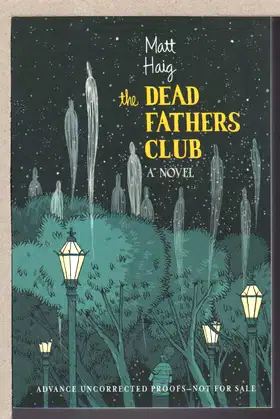
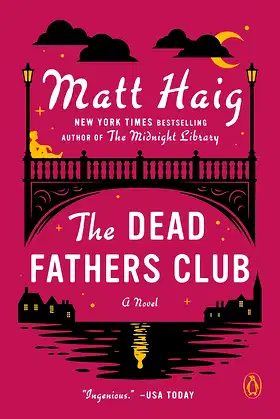
The story of Hamlet is not usually thought of as one meant for laughter. But Matt Haig's able retelling of the tale in The Dead Fathers Club will make you laugh, though it might also evoke a tear. Eleven-year-old Philip Noble is at his father's funeral when who should appear but his father's ghost, who wastes no time in telling Philip that his Uncle Alan, an auto mechanic, tampered with his car, causing the accident that killed him. He warns Philip that Uncle Alan will shortly be tampering with his mother too, because Unctuous Uncle Alan wants the pub that Philip's father owned. The solution to this problem, according to Philip's dad, is that he must kill Uncle Alan. If he doesn't do it before Dad's next birthday, 11 weeks away, Dad will be consigned to the Terrors for all eternity. Philip agrees, in principle, but killing someone, especially without getting caught, isn't easy. But a promise is a promise, so Philip gives it a whirl, in fact, several whirls. Real life interferes in the persons of two school bullies, truly nasty and perverse thugs, who seem ready to kill Philip because they think it's funny that his father died. Philip also falls in love, and his Ophelia (named Leah) thinks that shoplifting is tons of fun. Poor Philip is in over his head in every way possible. There are many encounters with other Dead Fathers in a great sendup of ghostly dealings, Hamlet -like, on the moors, and several sly references to the play. There is even a character named Dane. The ending is not pure Shakespeare, but it is pure Haig and that is very good indeed. --Valerie Ryan
Find it on
AmazonNo videos available yet.
No news articles linked to this title yet.

Overall
Overall rating of the media
Atmosphere
How immersive and tense is the atmosphere
Gore
Level and quality of gore/violence
Story
Quality of the storyline and plot
Writing
Quality of the written content
Character Development
Depth and growth of characters
Pacing
Flow and timing of the narrative