
BOOK
0
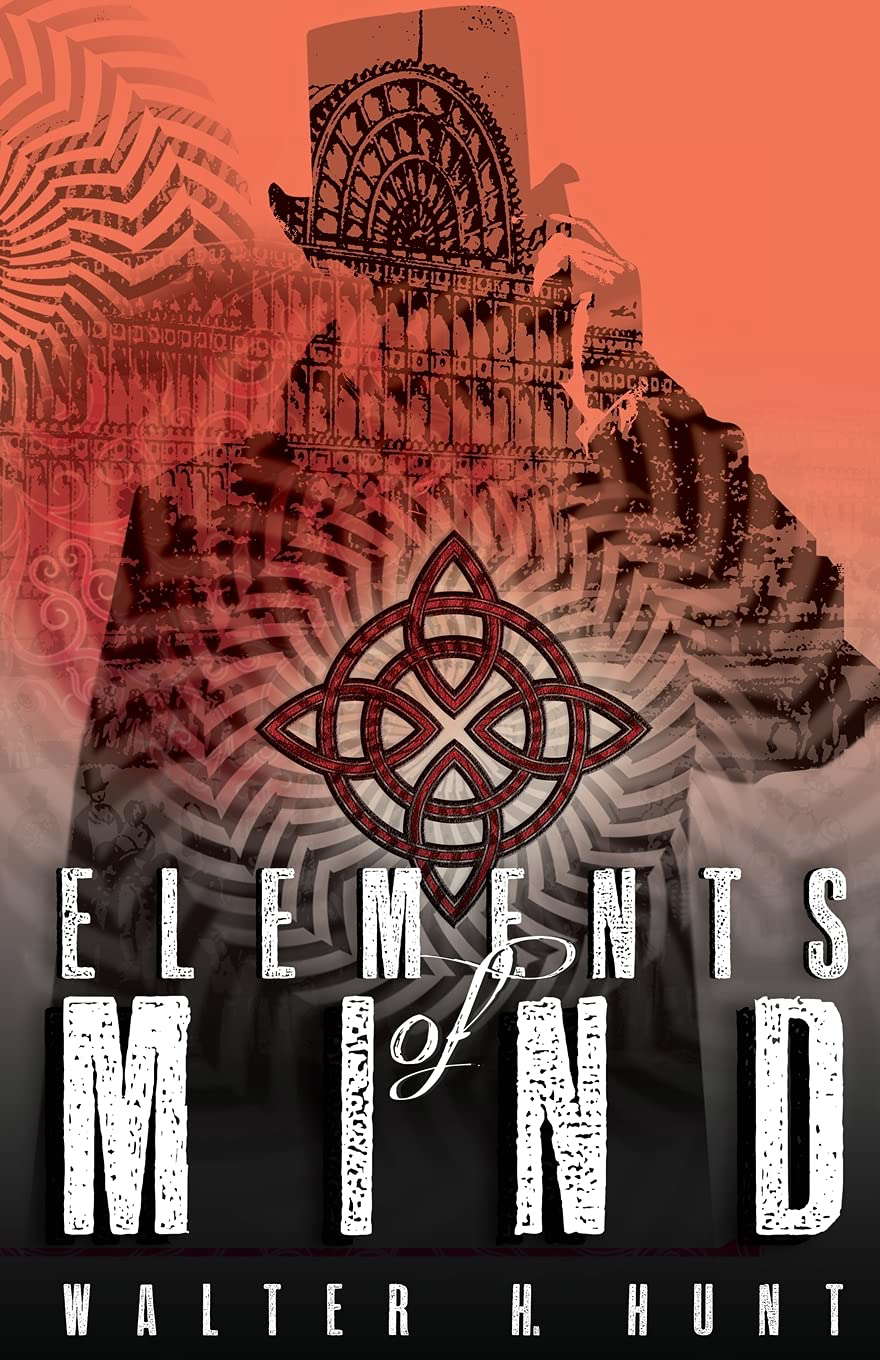
A gripping tale of mesmerists, elemental spirits, and the ghosts of history. When James Esdaile, a Scottish doctor, travels to India in the early 19th century in service to the British East India Company, he employs mesmerism—an “alternate science” that allows the practitioner to control a subject’s mind and body—as a palliative anesthetic. His ability is enhanced by the use of a curious artifact: a small statue from a pre-Hindu culture. In his correspondence with Rev. William Davey, the head of a secret society of English mesmerists, Esdaile offers to bring the artifact back at the end of his time abroad. When Esdaile abruptly changes his mind, however, he becomes an enemy of the secret society, and must accept a devil’s bargain to protect himself. He arranges for a young woman to be inhabited by a chthonios, an elemental spirit of the earth, and he marries her just before leaving India. In order to free himself from the spirit, he commits suicide in the exact center of the Crystal Palace—where neither mesmeric power nor the wrath of the chthonios can affect him. But that is just the beginning. Reverend Davey, following the story told by Esdaile’s widow, now freed from the possession of the earth-spirit, travels in search of the elusive artifact, following its trail all the way to India and back again. Davey is drawn into the interplay of forces—mesmerists, elemental spirits, and the ghosts of history—in his quest to obtain the artifact, while the spirits search for a way to open the Glass Door that separates them from the world of men, who exiled them so long ago.
Find it on
AmazonNo videos available yet.
No news articles linked to this title yet.

Overall
Overall rating of the media
Atmosphere
How immersive and tense is the atmosphere
Gore
Level and quality of gore/violence
Story
Quality of the storyline and plot
Writing
Quality of the written content
Character Development
Depth and growth of characters
Pacing
Flow and timing of the narrative