
BOOK
0
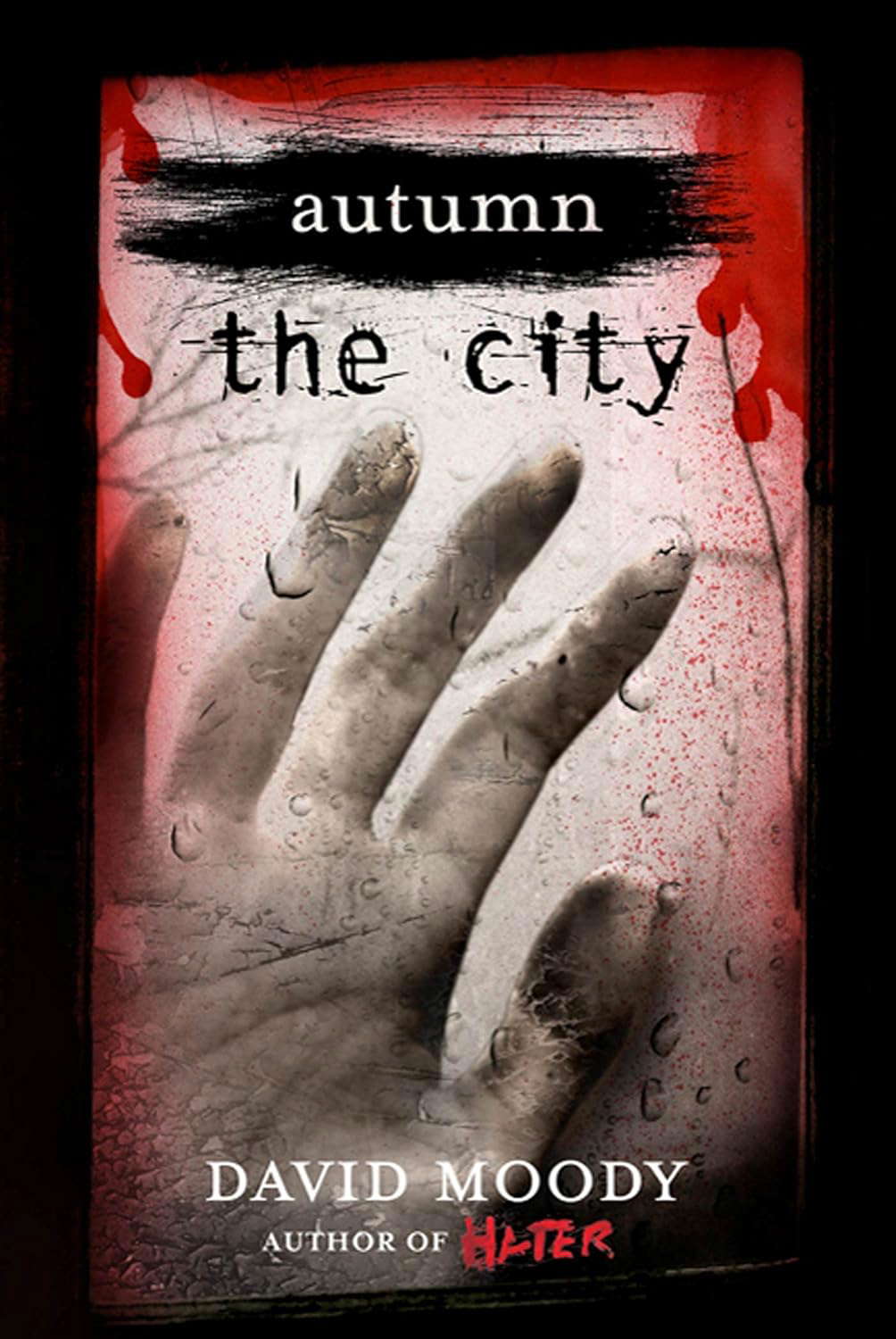
A bastard hybrid of War of the Worlds and Night of the Living Dead, the Autumn series chronicles the struggle of a small group of survivors forced to contend with a world torn apart by a deadly disease. After 99% of the population of the planet is killed in less than 24 hours, for the very few who have managed to stay alive, things are about to get much worse. Animated by "phase two" of some unknown contagion, the dead begin to rise. At first slow, blind, dumb and lumbering, quickly the bodies regain their most basic senses and abilities... sight, hearing, locomotion... As well as the instinct toward aggression and violence. Held back only by the restraints of their rapidly decomposing flesh, the dead seem to have only one single goal - to lumber forth and destroy the sole remaining attraction in the silent, lifeless world: those who have survived the plague, who now find themselves outnumbered 1,000,000 to 1...While the first Autumn novel focused on those who escaped the city, Autumn: The City focuses on those who didn't.Without ever using the 'Z' word, the Autumn series offers a new perspective on the traditional zombie story. There's no flesh eating, no fast-moving corpses, no gore for gore's sake. Combining the atmosphere and tone of George Romero's classic living dead films with the attitude and awareness of 28 Days (and Weeks) later, this horrifying and suspenseful novel is filled with relentless cold, dark fear.
This vague sequel to Autumn, a novel of the undead (Moody eschews the word "zombies") that was first made available as a free download in 2005 and published by St. Martin's in 2010, covers familiar ground well, but doesn't add any insights into what it would be like to survive a calamity that wipes out most of humanity. The bland lead characters, who live in an unnamed city with a British feel, are somehow unaffected by the illness that turns most of the populace into walking corpses. As the undead become more aggressive, the survivors realize that their future depends on escaping from the city and reaching a nearby underground military bunker. Moody pays little attention to either the psychology of the survivors or the moral challenges of their situation, robbing the story of any emotional power. (Feb.) (c) Copyright PWxyz, LLC. All rights reserved.
“With AUTUMN, David Moody paints a picture of a marvelously bleak dystopian future where the world belongs to the hungry dead. It's the creepy start to a compelling series.”
“Zombie fans rejoice! One of the original zombie novels is back from the grave to remind us all why the walking dead are so scary, and what it means to have a front-row seat for the end of the world. Autumn is genuinely creepy, an atmospheric study of what happens when the dead come back--and what we have to do just to survive.”
Find it on
AmazonNo videos available yet.
No news articles linked to this title yet.

Overall
Overall rating of the media
Atmosphere
How immersive and tense is the atmosphere
Gore
Level and quality of gore/violence
Story
Quality of the storyline and plot
Writing
Quality of the written content
Character Development
Depth and growth of characters
Pacing
Flow and timing of the narrative