
BOOK
0
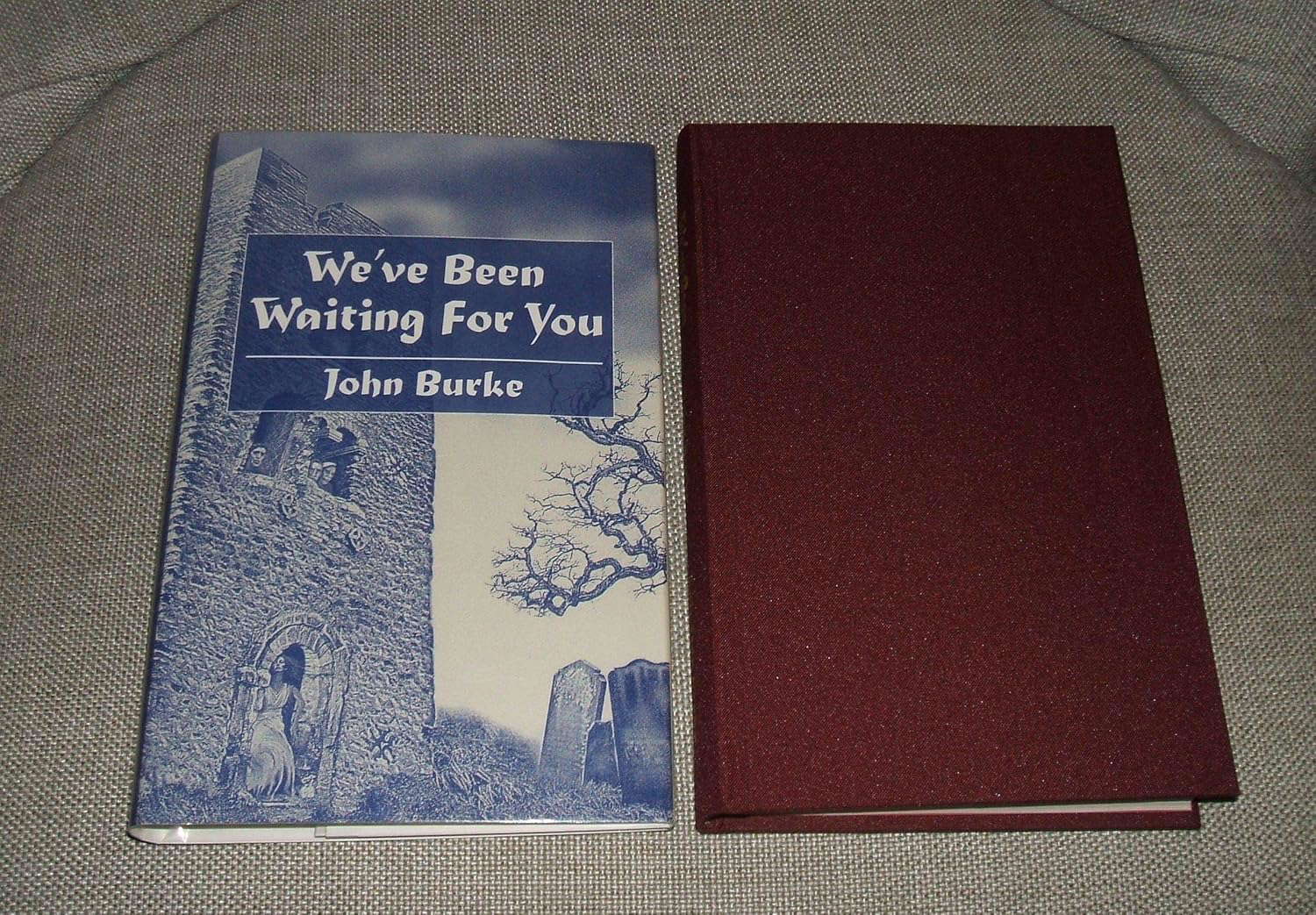
'Not until after her death did his mother actually come to live with them full-time.' Thus begins John Burke's 'One Day You'll Learn', a chilling ghost story in which a monstrous woman refuses to loosen her hold on her son and his family, even after her death. Many of Burke's stories concern the dead, and the power which they continue to wield over the living: a power which is, almost without exception, cold, malevolent, and without pity. Not all of John Burke's stories concern ghosts, however. The author prefers the term 'tales of unease' to describe his writings; and in all his stories a sense of unease is effortlessly conjured up, whether the author is concerned with beings from beyond the grave or with the powerful forces for violence and evil contained within human beings. There is also, however, a lighter side to Burke's writings; and in stories such as 'Flitting Tenant and 'Collaboration', the author shows us a world in which the dead and the living exist (more or less) peacefully side by side. WE'VE BEEN WAITING FOR YOU collects together twenty-two of John Burke's tales of unease, which have (with one exception) appeared in print over the past five decades. The volume concludes with 'And Cannot Come Again', a story which Nicholas Royle, in his introduction, calls 'one of the most affecting stories I have read'; a story which combines dream and nightmare to stunning effect, and shows why John Burke's tales deserve a place on the shelf of every admirer of supernatural fiction.
Find it on
AmazonNo videos available yet.
No news articles linked to this title yet.

Overall
Overall rating of the media
Atmosphere
How immersive and tense is the atmosphere
Gore
Level and quality of gore/violence
Story
Quality of the storyline and plot
Writing
Quality of the written content
Character Development
Depth and growth of characters
Pacing
Flow and timing of the narrative