

BOOK
0
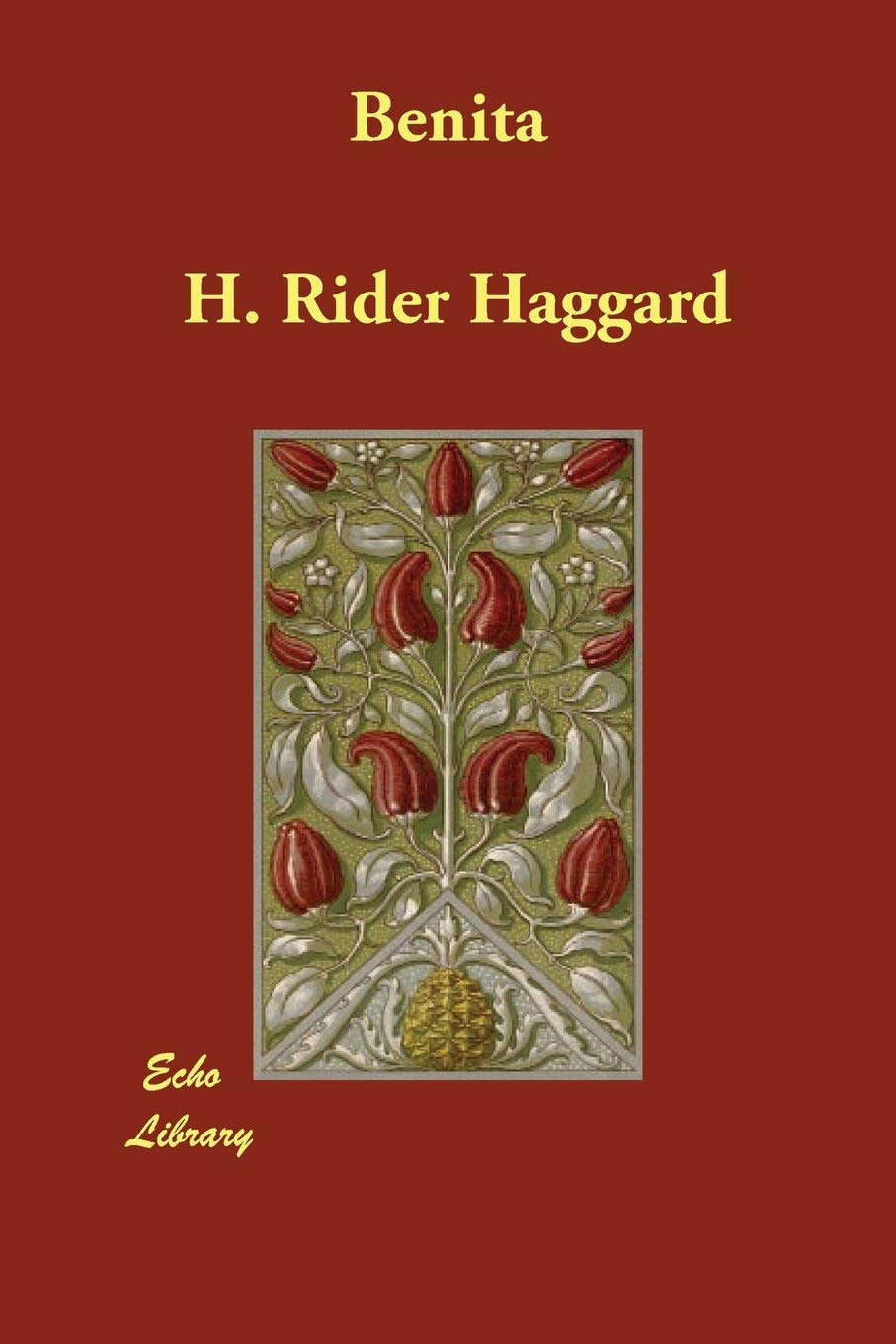
Sir Henry Rider Haggard KBE (1856-1925) was an English writer of adventure fiction set in exotic locations, predominantly Africa, and a pioneer of the lost world literary genre. He attended Ipswich Grammar School and after failing his army entrance exam was sent to London to prepare for the entrance exam for the British Foreign Office which he never sat. In 1875 he travelled to South Africa to take up an unpaid position as assistant to the Lieutenant-Governor of the Colony of Natal, and a year later he was transferred to the staff of the Special Commissioner for the Transvaal, then in 1878 became Registrar of the High Court in the Transvaal. On his return to England in 1880 he married a friend of his sister and the couple travelled back to Africa, settling back in England in 1882. Haggard studied law and was called to the bar in 1884, but spent much of his time writing which he saw as being more profitable. In 1885 he published King Solomon's Mines which introduced the character Allan Quatermain, inspired by the adventurers Haggard had encountered in colonial Africa. The book was the first English adventure novel set in Africa and proved hugely popular, with a sequel, Allan Quatermain, appearing in 1887, followed by a whole series featuring the same character. Haggard's other popular titles include She (1887) and its sequel Ayesha, the former considered to be one of the classics of imaginative literature. Benita: An African Romance (1906), aka The Spirit of Bambatse, is an adventure mingling romance with the supernatural as the clairvoyant heroine, Benita, assists in a hunt for a lost Portuguese treasure buried in the Transvaal.
Find it on
AmazonNo videos available yet.
No news articles linked to this title yet.

Overall
Overall rating of the media
Atmosphere
How immersive and tense is the atmosphere
Gore
Level and quality of gore/violence
Story
Quality of the storyline and plot
Writing
Quality of the written content
Character Development
Depth and growth of characters
Pacing
Flow and timing of the narrative