

BOOK
0
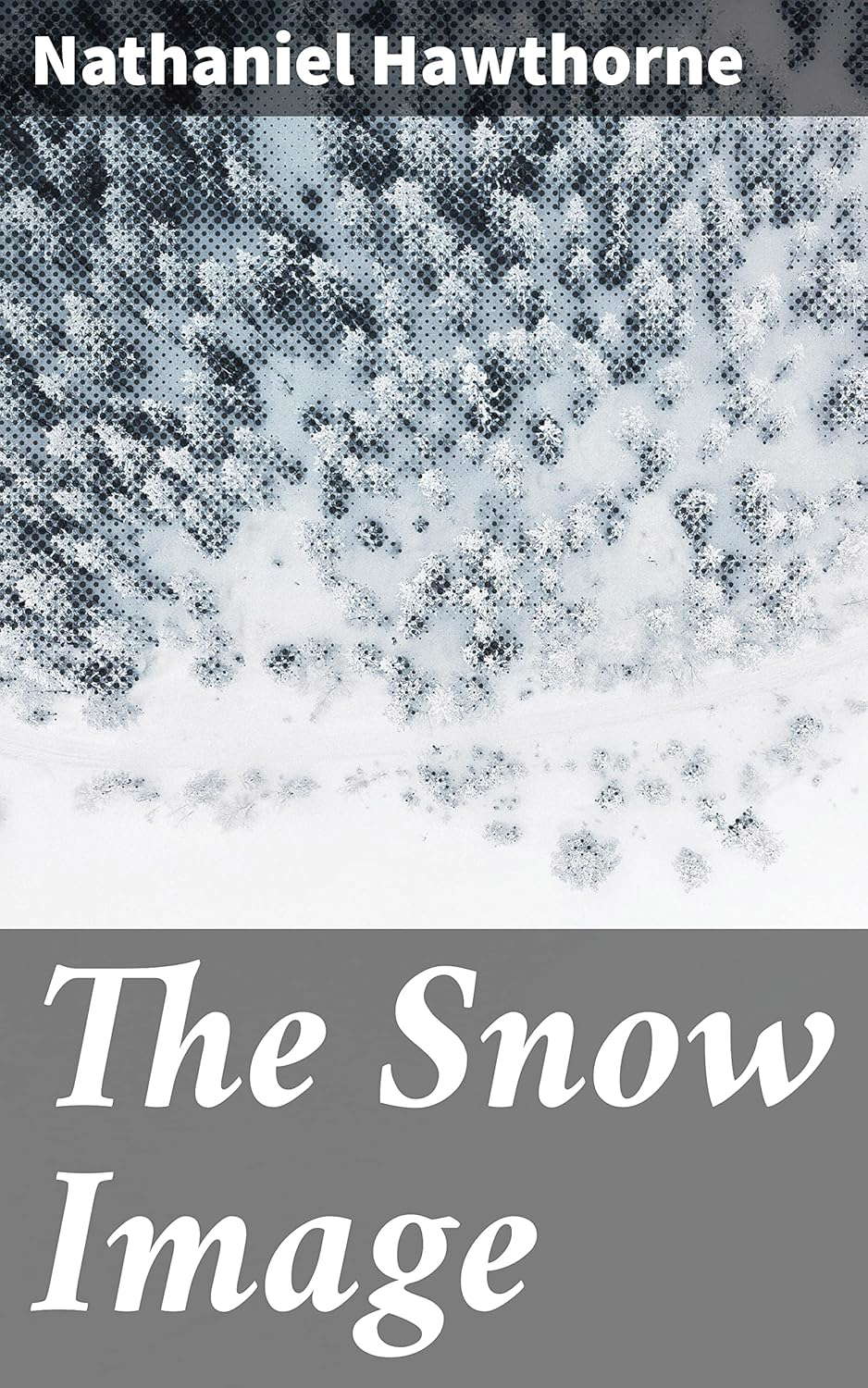
Nathaniel Hawthorne's "The Snow Image" is a poignant exploration of innocence and loss, encapsulated within a richly imagined tale that weaves together themes of nature, imagination, and the bittersweet passage of childhood. Set against a meticulously rendered New England landscape, this short story employs a lyrical style reminiscent of Hawthorne's romantic inclinations, drawing readers into a world where the boundaries between reality and fantasy blur. The narrative's allegorical nuances reflect the broader literary context of 19th-century American Romanticism, aligning with Hawthorne's preoccupation with the moral complexities of human experience. Hawthorne, a central figure in American literature, was profoundly influenced by his Puritan heritage and the interplay of individual conscience and society. His personal history, marked by a deep introspection and a fascination with the supernatural, informs the delicate handling of the child protagonist's relationship with the titular snow image. This tale, rich in symbolism, showcases Hawthorne's mastery in capturing the ephemeral nature of beauty and the sorrow that often accompanies enchantment, elements reflective of his life's experiences and philosophical inquiries. I highly recommend "The Snow Image" to readers seeking a contemplative narrative that evokes the fragile essence of childhood and the inevitable transition to adulthood. Hawthorne's deft prose and his ability to infuse the ordinary with profound meaning make this work an entrancing read that invites reflection and emotional resonance, ensuring its place as a staple in the canon of American literature.
Find it on
AmazonNo videos available yet.
No news articles linked to this title yet.

Overall
Overall rating of the media
Atmosphere
How immersive and tense is the atmosphere
Gore
Level and quality of gore/violence
Story
Quality of the storyline and plot
Writing
Quality of the written content
Character Development
Depth and growth of characters
Pacing
Flow and timing of the narrative