
BOOK
0
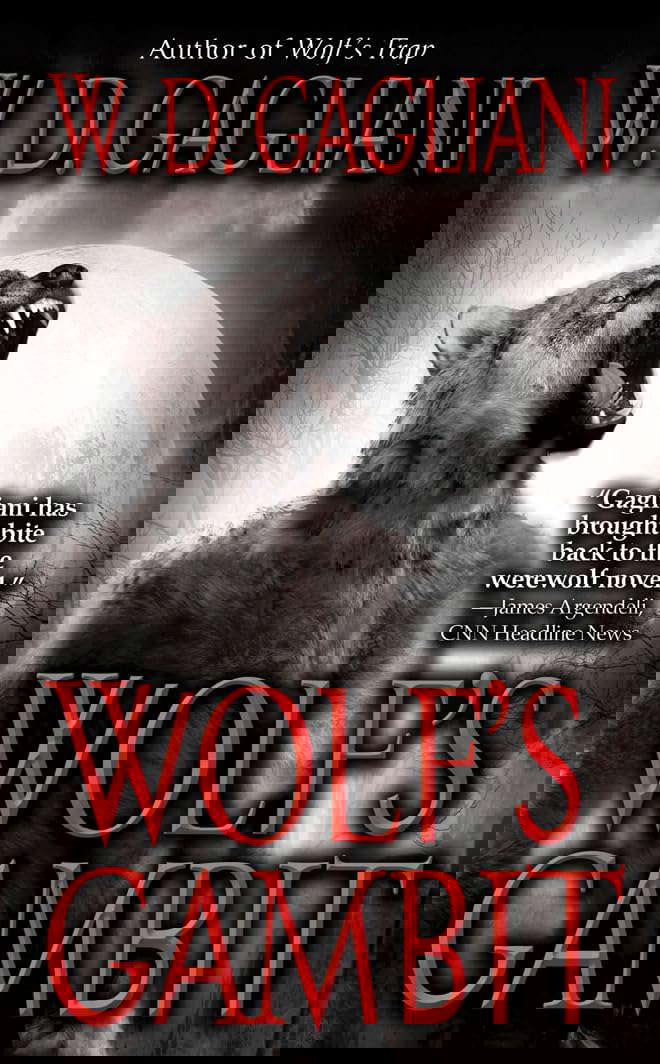
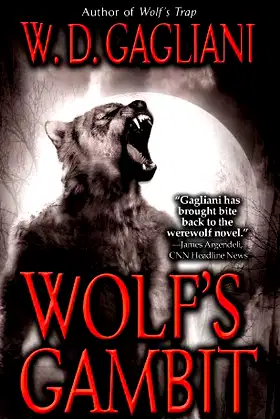
The Nick Lupo Series Book Two.There’s something terrible happening near the resort town of Eagle River, Wisconsin.Some people are afraid there’s a wild animal on the loose, savagely tearing its victims apart. Others, like Nick Lupo, know better. Lupo knows a werewolf attack when he sees one. He should, since he’s a werewolf himself, though he’s been able to control his urges and maintain his secret for years now. He’s also a homicide cop, so it may be up to him to hunt down one of his own kind. It looks like there’s a new werewolf in town, a rogue out only for blood. But looks can be deceiving. And it’s only the beginning of Nick’s problems.Wolf’s Gambit is the sequel to the Bram Stoker Award-nominated novel Wolf’s Trap, and the second in the savage series of horror/thrillers about the werewolf/cop. These “North Woods Noirs” are set mostly in the wilds of Northern Wisconsin, where werewolf legends abound and the moon paints the treetops silver. The next books in the series are Wolf’s Bluff, Wolf’s Edge, and Wolf’s Cut. Warning: adult content.Horror, Thriller, Crime/Suspense, and Urban Fantasy combine for one explosive mix! Urban Fantasy fans who crave edgy, graphic horror elements especially will want to take note of this series.(Though Wolf’s Gambit is the second book in the Nick Lupo series, note that it can be read first―it begins an arc different from that of Wolf’s Trap. Of course, reading Wolf’s Trap first can be a good idea, but it’s not absolutely necessary.)
Find it on
AmazonNo videos available yet.
No news articles linked to this title yet.

Overall
Overall rating of the media
Atmosphere
How immersive and tense is the atmosphere
Gore
Level and quality of gore/violence
Story
Quality of the storyline and plot
Writing
Quality of the written content
Character Development
Depth and growth of characters
Pacing
Flow and timing of the narrative