BOOK
0
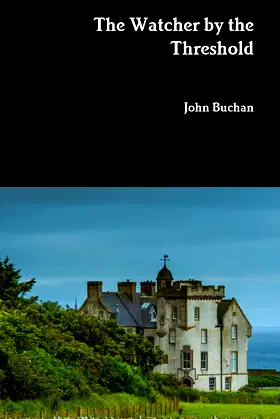
Although most famous today for his spy novel THE THIRTY-NINE STEPS, John Buchan was esteemed in his day as 'probably the most modern exponent of the short story, which he has developed and brought to artistic perfection.' His stories were set in and around the places he knew and loved, most famously the Scotland of his childhood, and from his earliest days he showed a fascination with the supernatural, most particularly the idea of temenos, or sacred places; although these places could be sacred to malign forces as easily as they could to more pleasant ones.THE WATCHER BY THE THRESHOLD collects together all of John Buchan's weird and supernatural tales and arranges them chronologically, from his early tales of Scottish superstitions and legends to his more mature and polished works set in landscapes as far flung as South Africa, Greece, and the Europe of World War I. We meet again some of Buchan's recurring characters, including Richard Hannay of THIRTY-NINE STEPS fame and the thoughtful Edward Leithen, and are introduced to the Runagates Club, where strange tales are recounted amid the brandy and cigars. Among the tales are such classics as 'Tendebant Manus', 'The Grove of Ashtaroth', 'The Green Wildebeest', 'The Wind in the Portico', and the chilling title story; tales in which unspeakable evil lies in wait for the unwary, brought to elegant life by the writer who, in the words of David Daniell, was 'a Christian who had glimpsed the Devil'.
Find it on
AmazonNo videos available yet.
No news articles linked to this title yet.

Overall
Overall rating of the media
Atmosphere
How immersive and tense is the atmosphere
Gore
Level and quality of gore/violence
Story
Quality of the storyline and plot
Writing
Quality of the written content
Character Development
Depth and growth of characters
Pacing
Flow and timing of the narrative