Skip to content
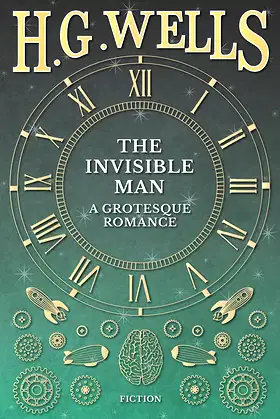
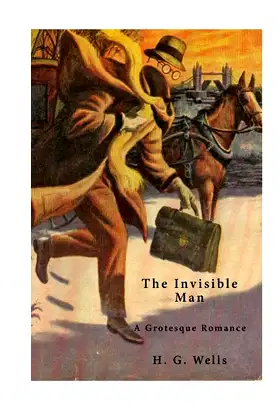
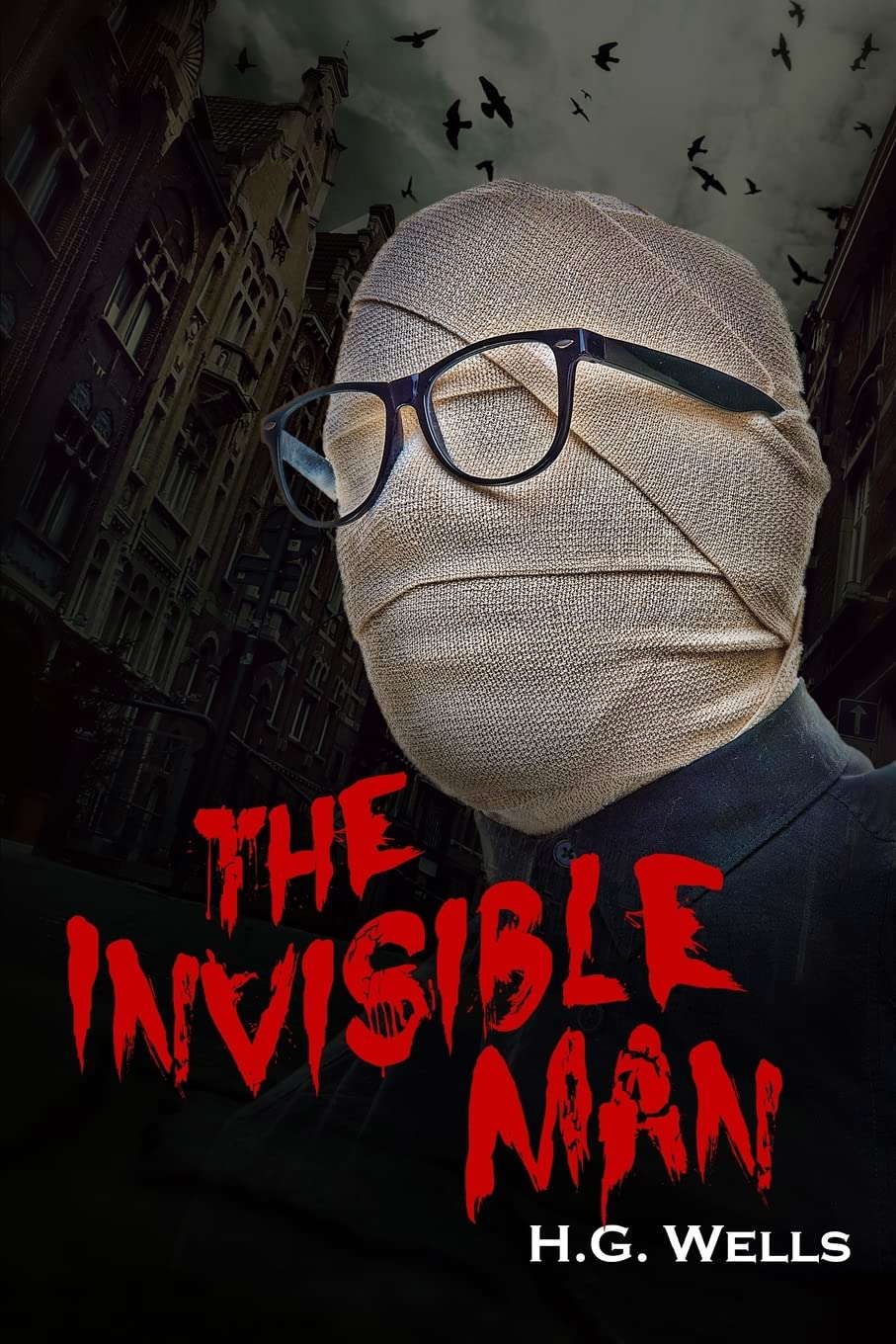
The Invisible Man: A Grotesque Romance poster

The Invisible Man: A Grotesque Romance

“All men, however highly educated, retain some superstitious inklings.” --- H.G. Wells, The Invisible Man The Invisible Man is a science fiction novella by H. G. Wells published in 1897. Originally serialised in Pearson's Weekly in 1897, it was published as a novel the same year. The Invisible Man of the title is Griffin, a scientist who has devoted himself to research into optics and invents a way to change a body's refractive index to that of air so that it absorbs and reflects no light and thus becomes invisible. He successfully carries out this procedure on himself, but fails in his attempt to reverse the procedure. While its predecessors, The Time Machine and The Island of Doctor Moreau, were written using first-person narrators, Wells adopts a third-person objective point of view in The Invisible Man.

About the Author

Herbert George "H. G." Wells (21 September 1866 - 13 August 1946) was an English writer, now best known for his work in the science fiction genre. He was also a prolific writer in many other genres, including contemporary novels, history, politics and social commentary, even writing textbooks and rules for war games. Wells is sometimes called "The Father of Science Fiction", as are Jules Verne and Hugo Gernsback.[a] His most notable science fiction works include The War of the Worlds, The Time Machine, The Invisible Man and The Island of Doctor Moreau. Wells's earliest specialised training was in biology, and his thinking on ethical matters took place in a specifically and fundamentally Darwinian context. He was also from an early date an outspoken socialist, often (but not always, as at the beginning of the First World War) sympathising with pacifist views. His later works became increasingly political and didactic, and he sometimes indicated on official documents that his profession was that of "Journalist." Most of his later novels were not science fiction. Some described lower-middle class life (Kipps; The History of Mr Polly), leading him to be touted as a worthy successor to Charles Dickens, but Wells described a range of social strata and even attempted, in Tono-Bungay (1909), a diagnosis of English society as a whole.

Find it on

Amazon

Reviews

No videos available yet.

News

No news articles linked to this title yet.

No tags available.

Bottom star pattern decoration

The Invisible Man: A Grotesque Romance Ratings

Overall

Overall rating of the media

0.0 0 ratings

Atmosphere

How immersive and tense is the atmosphere

0.0 0 ratings

Gore

Level and quality of gore/violence

0.0 0 ratings

Story

Quality of the storyline and plot

0.0 0 ratings

Writing

Quality of the written content

0.0 0 ratings

Character Development

Depth and growth of characters

0.0 0 ratings

Pacing

Flow and timing of the narrative

0.0 0 ratings