
BOOK
0
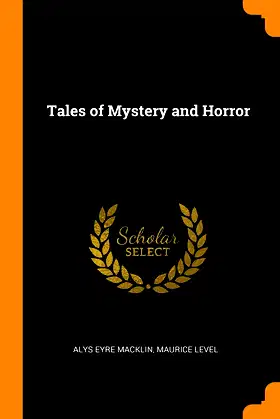
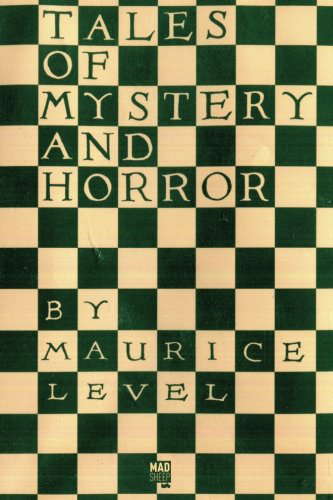
These brutal, pitiless, but fascinating stories can be compared among contemporary works of fiction, only to Thomas Burke’s Limehouse Nights, and should inevitably arouse the same admiration that Mr Burke’s book created upon its publication three years ago. There are twenty-six tales stories of human passion from which the conventional glass has been stripped by the hand of a master; of terrible crimes, of fine sacrifices, of jealousy driving to madness, of haunting fears, of passionate love – there are no fundamental emotions that Level has not used which telling effect as the mainsprings of his stories. He has written them with an artistry which redeems them from sordidness and sensationalism, and which has made him famous in this own country as “a new master of the terrible”. Translated from the French by Alys Eyre Macklin With an introduction by Henry B. Irving Edited, with an afterword, by Jean-Luc Buard Maurice Level (1875-1926) is a unique writer. He is probably the only French horror fiction writer to be more famous in the English-speaking world than in his own country and language, where only a handful of connoisseurs are aware of his work. He owes this singular fate to an English woman of letters, Alys Eyre Macklin, his publisher, translator and friend. Thanks to her translating Maurice Level’s tales in 1920, Crises, Tales of Mystery and Horror, the fame of the French conteur survives in English to this day. With Ten Uncollected Tales
Find it on
AmazonNo videos available yet.
No news articles linked to this title yet.

Overall
Overall rating of the media
Atmosphere
How immersive and tense is the atmosphere
Gore
Level and quality of gore/violence
Story
Quality of the storyline and plot
Writing
Quality of the written content
Character Development
Depth and growth of characters
Pacing
Flow and timing of the narrative