

BOOK
0
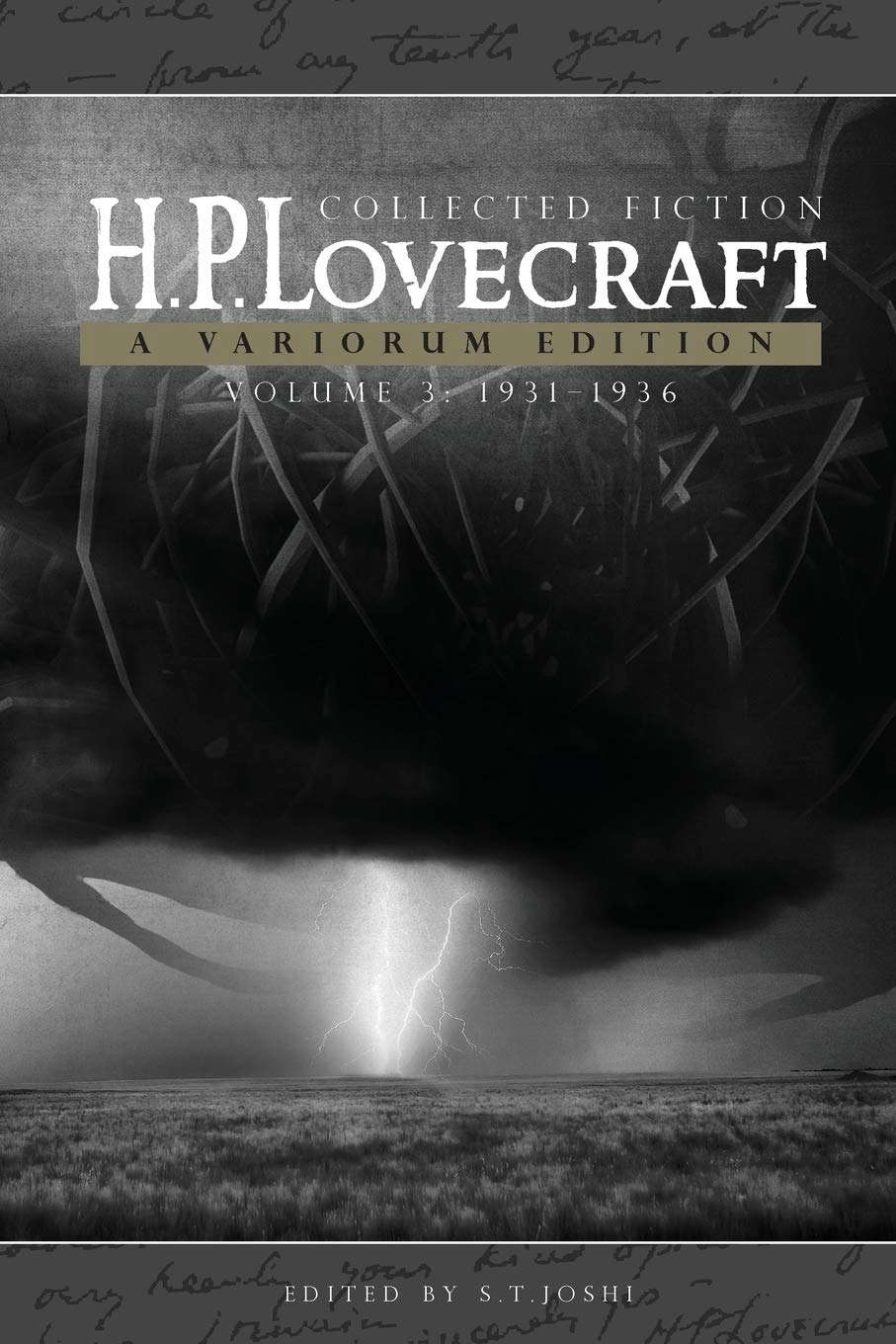
In the thirty years since S. T. Joshi prepared revised editions of H. P. Lovecraft's stories for Arkham House, Joshi has continued to do research on the textual accuracy of Lovecraft's stories, and this comprehensive new edition is the result. For the first time, students and scholars of Lovecraft can see at a glance all the textual variants in all relevant appearances of a story-manuscript, first publication in magazines, and first book publications. The result is an illuminating record of the textual history of the tales, along with how Lovecraft significantly revised his stories after initial publication. The result is the definitive text of Lovecraft's fiction-an edition that supersedes all those that preceded it and should endure as the standard text of Lovecraft's stories for many years. In this final volume, the tales of Lovecraft's final years are presented. The Antarctic novella At the Mountains of Madness is perhaps Lovecraft's most finished work, a superb fusion of weirdness and science fiction that he referred to as "cosmicism." "The Shadow over Innsmouth" is a chilling evocation of the terrors inherent in a lonely New England backwater, while "The Thing on the Doorstep" and "The Haunter of the Dark" feature physical horrors with cosmic implications. "The Shadow out of Time" is the culmination of Lovecraft's portrayal of the vast vistas of space and time-his signature contribution to literature.
Find it on
AmazonNo videos available yet.
No news articles linked to this title yet.

Overall
Overall rating of the media
Atmosphere
How immersive and tense is the atmosphere
Gore
Level and quality of gore/violence
Story
Quality of the storyline and plot
Writing
Quality of the written content
Character Development
Depth and growth of characters
Pacing
Flow and timing of the narrative