
BOOK
0
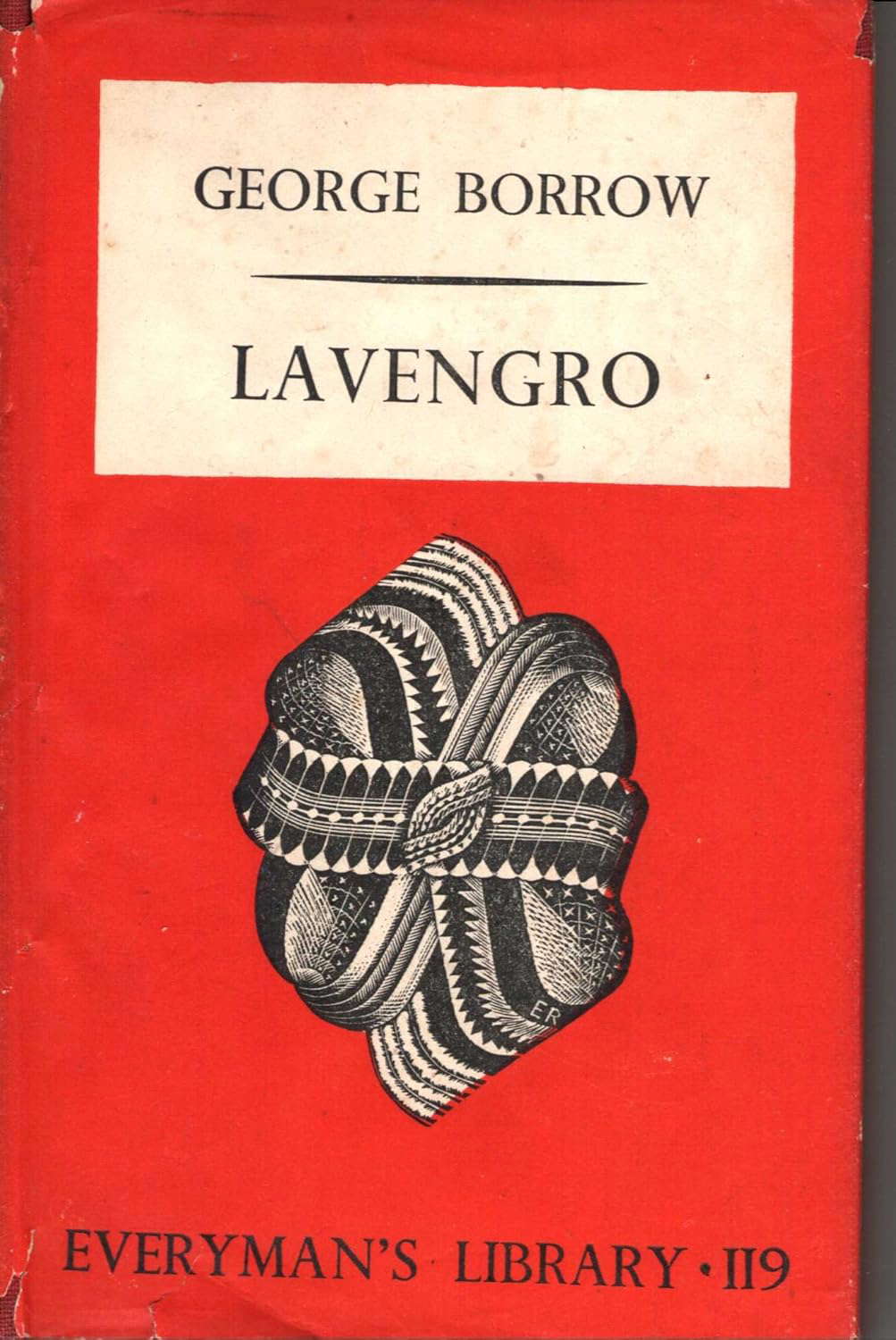
Falling somewhere between the genres of memoir and novel, Lavengro has long been considered a classic of 19th-century English literature. According to the author lav-engro is a Romany word meaning "word master". The historian G.M. Trevelyan called this "a book that breathes the spirit of that period of strong and eccentric characters".Its protagonist, whose name is never mentioned, is born the son of an officer in a militia regiment and is brought up in various barrack towns in England, Scotland and Ireland. After serving an apprenticeship to a lawyer he moves to London and becomes a Grub Street hack, an occupation which gives him ample opportunities to observe London low-life. Finally he takes to the road as a tinker. At various points through the book he associates with Romany travellers, of whom he gives memorable and generally sympathetic pen-portraits. Lavengro was followed by a sequel, The Romany Rye. Neither of the two books is self-contained. Rather, Lavengro ends abruptly with chapter 100, and carries on directly in the The Romany Rye. Thus both need to be read together, in order.
Find it on
AmazonNo videos available yet.
No news articles linked to this title yet.

Overall
Overall rating of the media
Atmosphere
How immersive and tense is the atmosphere
Gore
Level and quality of gore/violence
Story
Quality of the storyline and plot
Writing
Quality of the written content
Character Development
Depth and growth of characters
Pacing
Flow and timing of the narrative