

BOOK
0
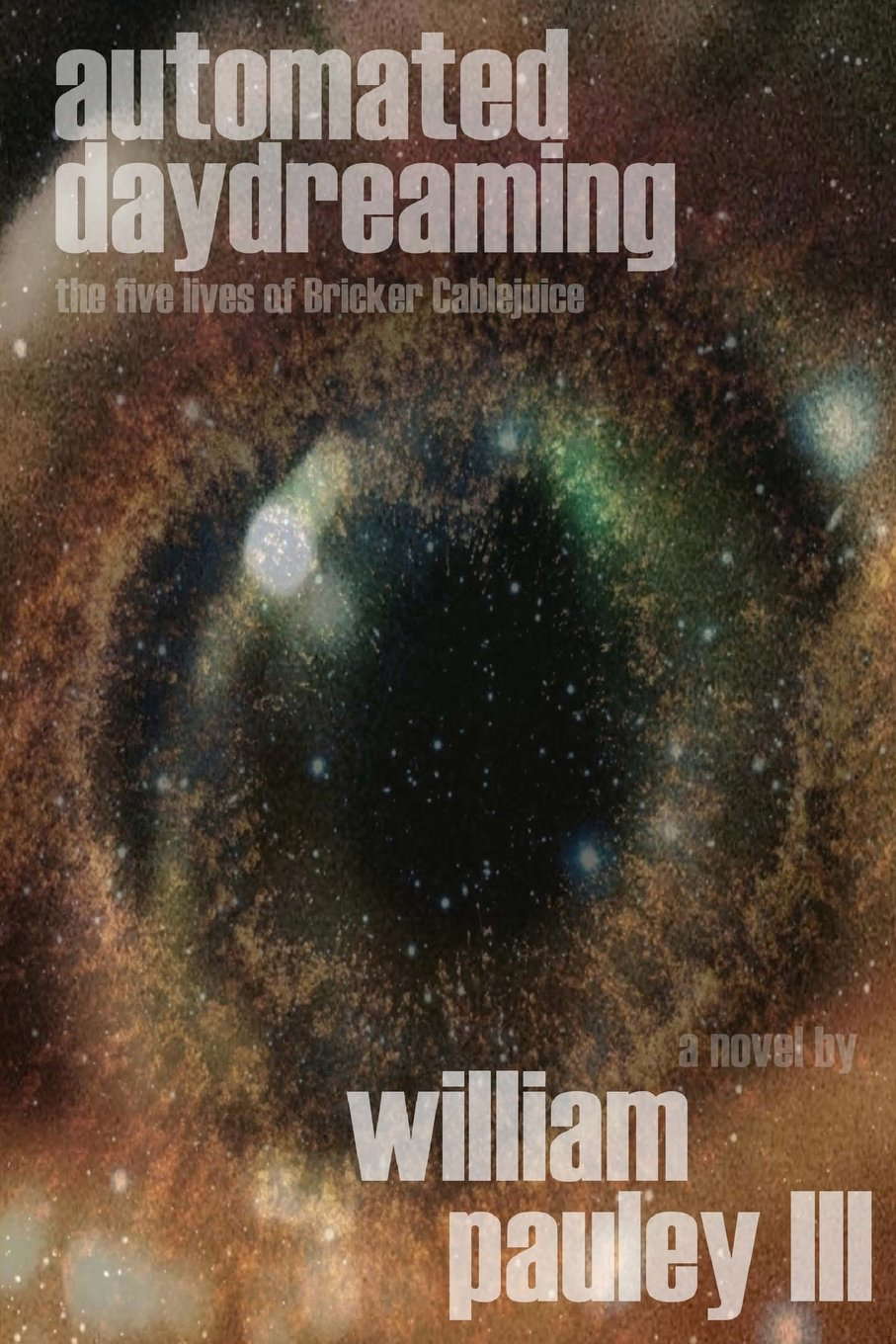
POLICE BAFFLED AFTER FINDING REMAINS OF “TELEVISION MAN” On October 28th, 2015, two Chicago police officers responded to a 911 call concerning a strange smell emanating from an abandoned church. Inside they found human remains, mutilated and wired with electricity, along with evidence supporting the killer was one they’d been hunting for years: Dr Perry Gordon. Two days later, a letter from Gordon arrived at the police station. He claimed the victim, Airman Bricker Cablejuice, consented to his own mutilation, and that the two were in the midst of a great experiment at the time the police barged in. He also said the victim was still alive, even in his butchered state, and he could prove it. By connecting Bricker's brain into a computer via a surgically installed USB port, the police would be able to download his consciousness and read his thoughts in real time. The contents of the feed, however, would play out in a somewhat distorted and exaggerated manner, due to the brain being in a lucid dreamlike state. In the letter, this process was called ‘automated daydreaming.' Following Gordon’s instructions, the officers discovered he was telling the truth. The mangled remains were indeed alive. However while reviewing the evidence, it was made painfully clear that Gordon's experiment went much further than just physical desecration. If the acts depicted in the feed turn out to be true, it would make Gordon the most heinous criminal the world has ever seen. But did these monstrous acts of violence even take place? Or was it all just part of the bizarre hallucinatory daydream?
Find it on
AmazonNo videos available yet.
No news articles linked to this title yet.
No tags available.

Overall
Overall rating of the media
Atmosphere
How immersive and tense is the atmosphere
Gore
Level and quality of gore/violence
Story
Quality of the storyline and plot
Writing
Quality of the written content
Character Development
Depth and growth of characters
Pacing
Flow and timing of the narrative