BOOK
0
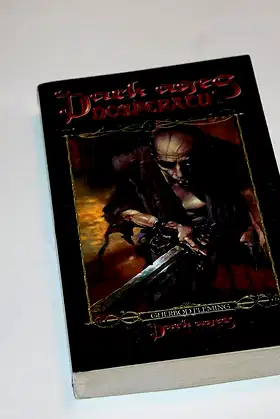
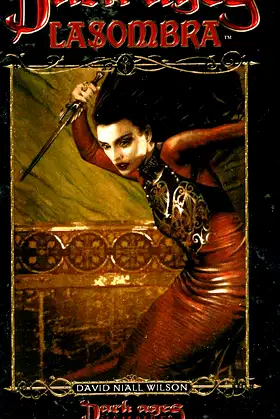
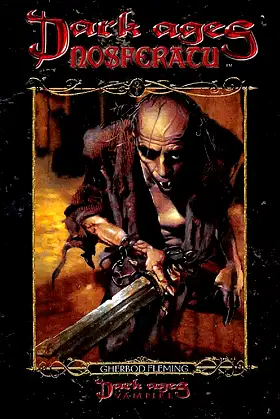
The Dark Ages Clan Novel Saga is a 13-volume series of novels set in the world of Dark Ages: Vampire, released by White Wolf from 2002 to the end of 2004. The series begins with Dark Ages Clan Novel 1: Nosferatu and ends with Dark Ages Clan Novel 13: Tzimisce. Inspired by the original modern-day Clan Novel Saga for Vampire: The Masquerade, this series begins with the end of the original Vampire: The Dark Ages era and continued into the time-frame of Dark Ages: Vampire. The 13 novels are written from the POV of one clan each during the turbulence that swept through the mortal and Cainite societies of Europe following the fall of Constantinople in the Fourth Crusade. These novels, unlike the original Clan Novel Series, are chronological, happening one after the other rather than overlapping. Dark Ages Clan Novel #1 Nosferatu: An Epic Begins It is the year 1204, and the city of Constantinople burns. For the immortal monsters who have spent eternity in it's shadows, it is both a cataclysm and a call for vengeance. Malachite, leader of the city's Nosferatu, hunts through the ashes and dodges crusaders to find the Patriarch Michael, the vampire who founded the city is the expression of his immortal dreams. Malachite's search brings him beyond the city walls and sets him on a quest that will restore the Patriarch's dream – or damn it forever. Dark Ages Nosferatu begins the epic thirteen part series of Dark Age Clan Novels, chronicling a vast conflict among the vampires of the Middle Ages. The War of Princes begins here.
Find it on
AmazonNo videos available yet.
No news articles linked to this title yet.

Overall
Overall rating of the media
Atmosphere
How immersive and tense is the atmosphere
Gore
Level and quality of gore/violence
Story
Quality of the storyline and plot
Writing
Quality of the written content
Character Development
Depth and growth of characters
Pacing
Flow and timing of the narrative