
BOOK
0
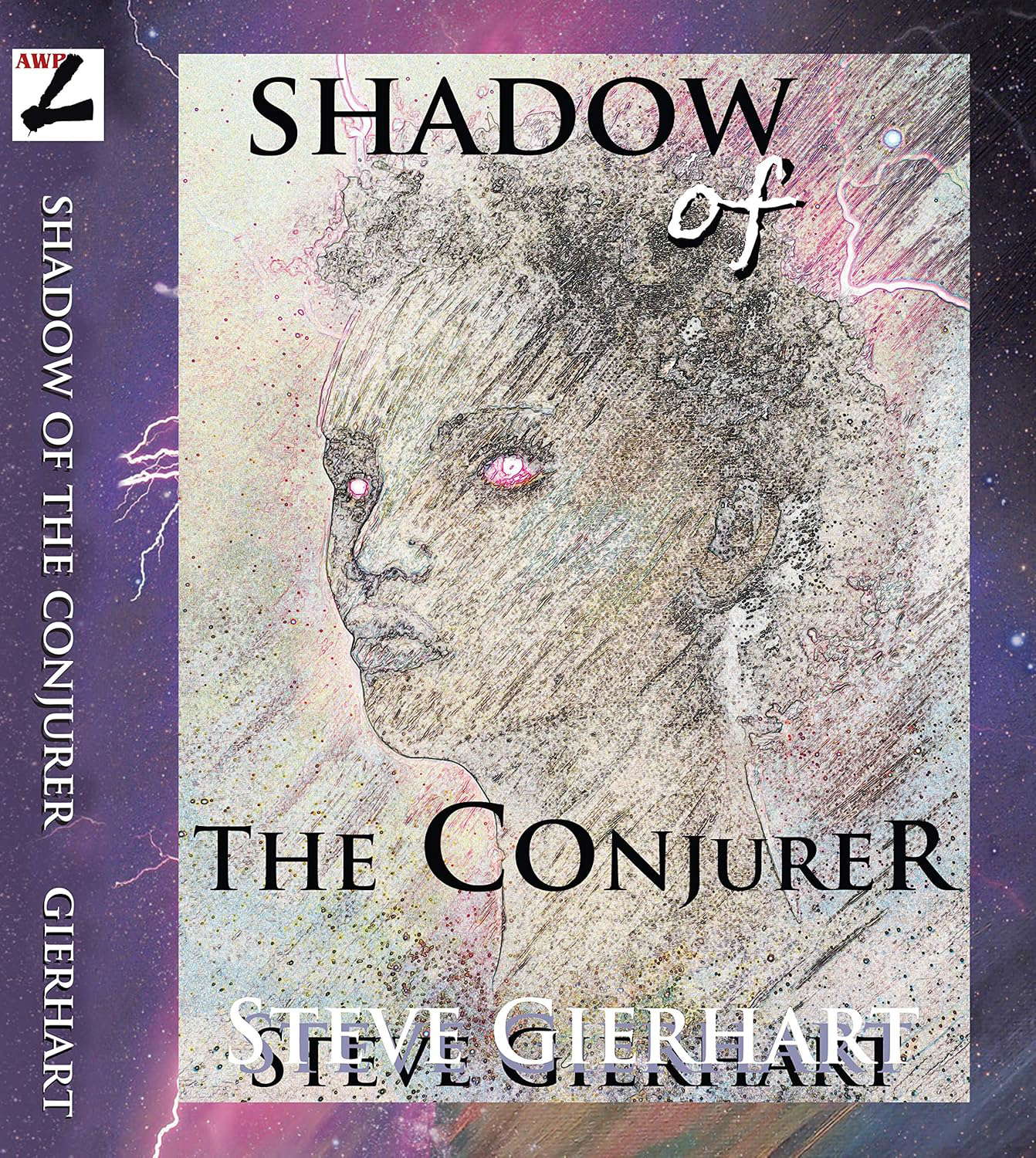
Huntsville, Alabama lies at the foot of the Appalachian Mountains. It is a city of historical contrasts, at once Antebellum South as well as a modern concourse of technical prowess, a research and development center for the U.S. Army and NASA. And here is where the McNallys call home. They are successful professionals with civilian careers on Redstone Arsenal, but their success belies a foundering marriage. Jared, an engineer, is emotionally distant. His wife, Melissa, an intellectual property lawyer, pursues an affair to fill the void left by her husband. Tipping the scales of their flimsy bond is a journal of a young man, Jacob Thompson. In the 1830s his father owned the plantation Fiery Hill, the original boundary of which includes fifty acres now marking the McNally’s home. Within the diary, Jacob professes a love for a slave girl named Nika, an African brought forcibly to America, not only with chains, but with a secret and dangerous legacy. That legacy is resurrected, and for unknown reasons targets the McNallys. As a result, Jacob and Nika’s past intersect with Jared and Melissa’s present as all paths lead through an enigmatic African legend borne in the tribal myths of the Mande. ************* Shadow of The Conjurer owes its existence to many successful authors of the gothic tradition. Like Anne Rice’s Lestat in Interview with a Vampire, Shadow’s villains are both dangerous but exciting, certainly desirable, their characters so sympathetic to engage the reader’s hope for their atonement. Gothic female characters, on the other hand, have been tragic. Their vulnerability made them easy targets for male dominance, such as Elizabeth in Mary Shelley’s Frankenstein, Lucy in Bram Stoker’s Dracula, or even the 20th Century character of Blanche Dubois in Tennessee William’s Streetcar Named Desire. It wasn't until the sexual revolution of The Sixties that such characters evolved to a different level. Their power was reflected in cinema and flamed their strength in literature, sometimes becoming unhinged by repressed sexuality, such as Stephen King’s Carrie or Annie Wilkes of Misery. Now, these types of females are being left behind with another evolution, their sexuality portrayed within mysterious and suspenseful settings. Their power has, instead, morphed into that like the male hero, countering the darkness with their own personal action, not their lover or husband's. Such are characters like Sookie Stackhouse of The Southern Vampire Mysteries of Charlene Harris, or Bella of Stephanie Myers’ Twilight Series. Shadow’s heroines, both black and white, reflect this positive power; and they do it by showing that fractures, even in character, are reparable when guilt is mixed with love and understanding in a cocktail of redemption. Shadow of The Conjurer goes further, building complex and positive portrayals of women and men of African descent, showcasing their strengths along with other sympathetic characters in Antebellum Alabama, believing in a gentleness that must have existed, at least in some, despite the slave culture. Not to sugarcoat the ugliness of slavery and its evil foundation; but even black historians agree that in rare occasions, blacks and whites partnered and loved in these most difficult conditions, often in similar ways that other outcasts such as Jews living in a Christian society did. That is, they hid their true beliefs because to do otherwise would be to invite destruction. So enjoy the story. Be patient as it unfolds and twines its story of good and evil, supernatural or logical, and spirituality versus belief in nothing and no one. Shadow of The Conjurer welcomes you. The story is worth its message of love and redemption.
Huntsville, Alabama lies at the foot of the Appalachian Mountains. It is a city of historical contrasts, at once Antebellum South as well as a modern concourse of technical prowess, a research and development center for the U.S. Army and NASA. And here is where the McNallys call home. They are successful professionals with civilian careers on Redstone Arsenal, but their success belies a foundering marriage. Jared, an engineer, is emotionally distant. His wife, Melissa, an intellectual property lawyer, pursues an affair to fill the void left by her husband. Tipping the scales of their flimsy bond is a journal of a young man, Jacob Thompson. In the 1830s his father owned the plantation Fiery Hill, the original boundary of which includes fifty acres now marking the McNally's home. Within the diary, Jacob professes a love for a slave girl named Nika, an African brought forcibly to America, not only with chains, but with a secret and dangerous legacy. That legacy is resurrected, and for unknown reasons targets the McNallys. As a result, Jacob and Nika's past intersect with Jared and Melissa's present as all paths lead through an enigmatic African legend borne in the tribal myths of the Mande.
Find it on
AmazonNo videos available yet.
No news articles linked to this title yet.

Overall
Overall rating of the media
Atmosphere
How immersive and tense is the atmosphere
Gore
Level and quality of gore/violence
Story
Quality of the storyline and plot
Writing
Quality of the written content
Character Development
Depth and growth of characters
Pacing
Flow and timing of the narrative