

BOOK
0
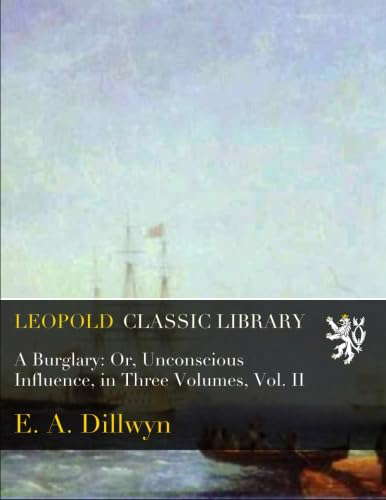
Title: A Burglary: Or, Unconscious InfluenceAuthor: E. A. DillwynPublisher: Leopold Classic LibraryPublication Date: Reissued in 2024Language: EnglishFormat: Quality PaperbackPages: 248ISBN: 978-1-XXXX-XXXX-XGenre: Historical FictionA Burglary: Or, Unconscious Influence, originally published in the late 19th century and masterfully brought back to life by the Leopold Classic Library, stands as a testament to the enduring quality of classic literature. This reissued masterpiece by E. A. Dillwyn, presented in a quality paperback edition, weaves a captivating tale set against the backdrop of Victorian society. The narrative unfolds in three volumes, with this being the second, offering readers a glimpse into the complexities of human nature, societal expectations, and the unconscious influence exerted by individuals upon each other. Dillwyn's work, celebrated for its ahead-of-its-time character development and subtle critique of societal norms, remains as relevant today as it was in its original context. The story, rich in detail and emotion, invites readers into a world where every page holds the promise of discovery. This edition, diligently scanned and manually reviewed for quality by the Leopold Classic Library team, ensures that every word of Dillwyn's original vision is preserved. Dive into the heart of Victorian England with this timeless novel, and experience a story of intrigue, character, and the subtle forces that shape our lives.
Find it on
AmazonNo videos available yet.
No news articles linked to this title yet.

Overall
Overall rating of the media
Atmosphere
How immersive and tense is the atmosphere
Gore
Level and quality of gore/violence
Story
Quality of the storyline and plot
Writing
Quality of the written content
Character Development
Depth and growth of characters
Pacing
Flow and timing of the narrative