

BOOK
0
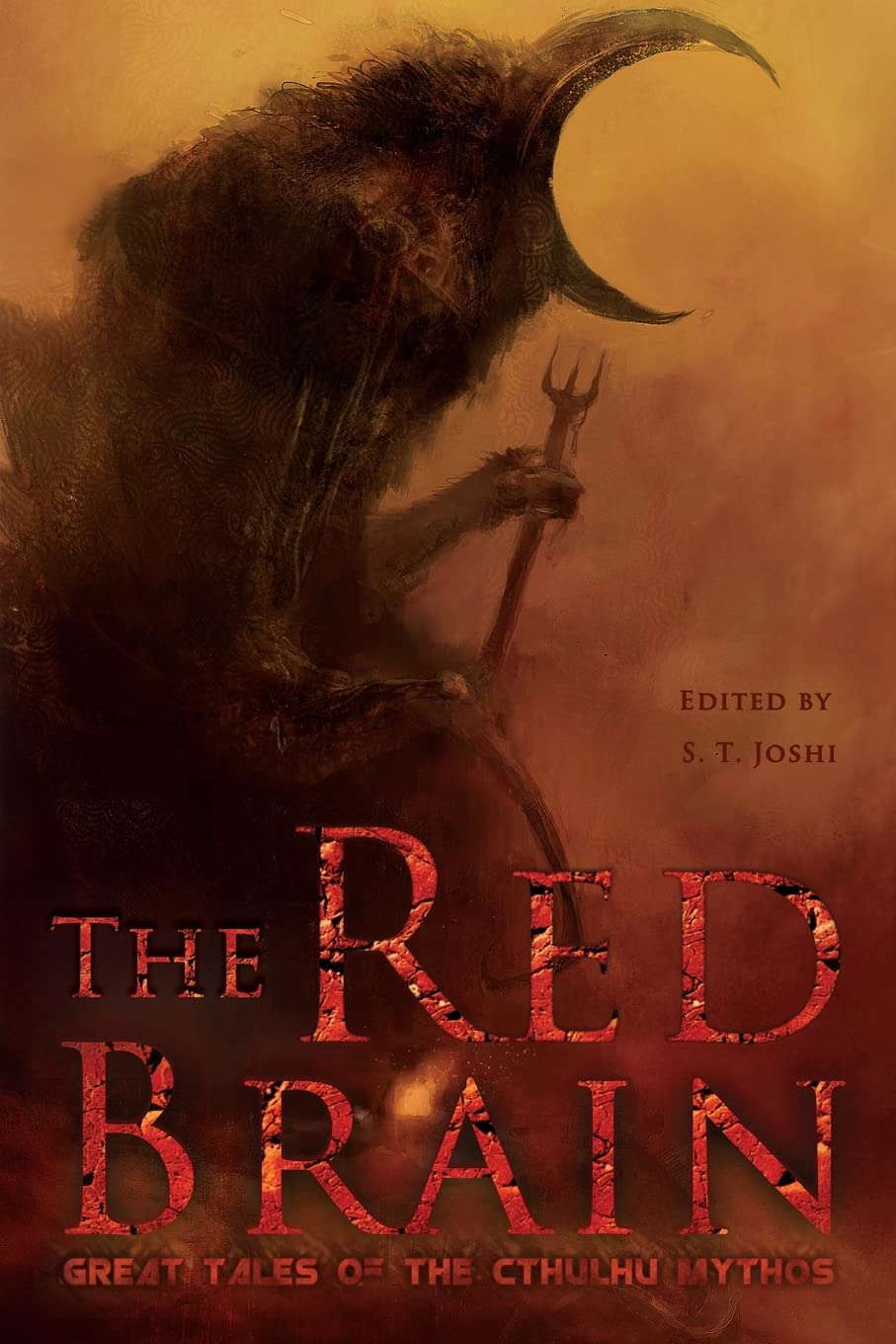
Following up on the success of A Mountain Walked, this volume presents another dozen tales of the Cthulhu Mythos that show how H. P. Lovecraft’s motifs, conceptions, and imagery have affected an entire century of weird writing. Beginning with a delightful parody of Lovecraft written by Edith Miniter in 1921, this anthology features “The Red Brain,” a story of incalculable cosmic horror by Donald Wandrei; “The Beast of Averoigne,” in which Clark Ashton Smith plays a riff on “The Dunwich Horror”; and C. Hall Thompson’s “The Will of Claude Ashur,” an ingenious adaptation of “The Thing on the Doorstep.”Ramsey Campbell, one of the leading weird writers of today, has always maintained his Lovecraftian roots, and in “The Pattern” he utilizes Lovecraft’s theme of “conflict with time” to cataclysmic effect. The pioneering Thomas Ligotti (“The Sect of the Idiot”) draws inspiration from Lovecraft’s early tales, while Brian McNaughton (“Meryphillia”) teases out the latent sexuality in Lovecraft’s use of ghouls. Caitlín R. Kiernan’s “The Peddler’s Tale” is one of the few successful elaborations of Lovecraft’s dreamland stories, while Jonathan Thomas uses Lovecraft’s native town of Providence for a tale of alien races.This volume contains previously unpublished stories by W. H. Pugmire, Mark Samuels, and Ray Garton, all of which demonstrate their authors’ skill at fusing Lovecraftian motifs with their own dark vision. All in all, The Red Brain is a rich banquet of strangeness that no Lovecraft devotee will want to be without.
Find it on
AmazonNo videos available yet.
No news articles linked to this title yet.

Overall
Overall rating of the media
Atmosphere
How immersive and tense is the atmosphere
Gore
Level and quality of gore/violence
Story
Quality of the storyline and plot
Writing
Quality of the written content
Character Development
Depth and growth of characters
Pacing
Flow and timing of the narrative