
BOOK
0
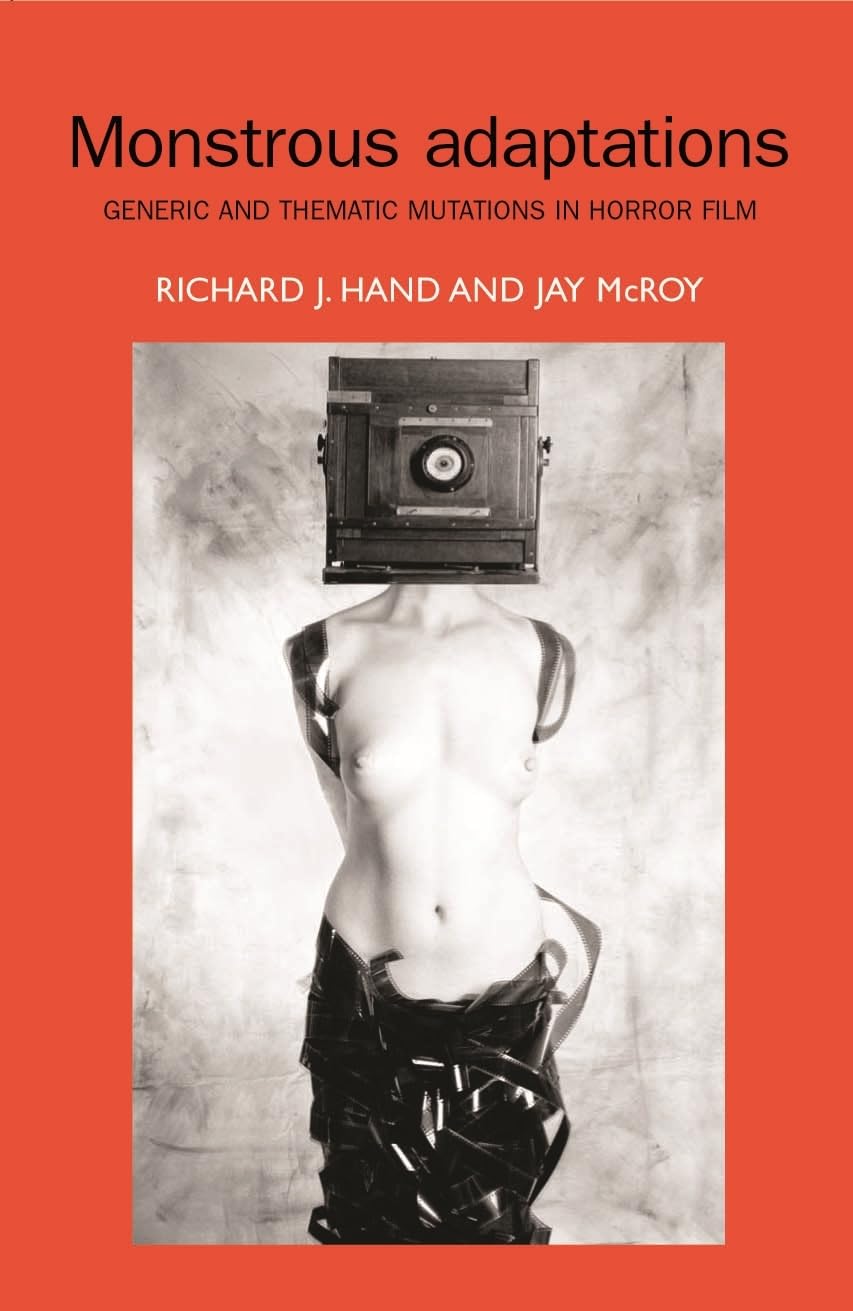
The fifteen groundbreaking essays contained in this book address the concept of adaptation in relation to horror cinema. Adaptation is not only a key cultural practice and strategy for filmmakers, but it is also a theme of major importance within horror cinema as a hole. The history of the genre is full of adaptations that have drawn from fiction or folklore, or that have assumed the shape of remakes of pre-existing films. The horror genre itself also abounds with its own myriad transformations and transmutations.The essays within this volume engage with an impressive range of horror texts, from the earliest silent horror films by Thomas Edison and Jean Epstein through to important contemporary phenomena, such as the western appropriation of Japanese horror motifs. Classic works by Alfred Hitchcock, David Cronenberg and Abel Ferrara receive cutting-edge re-examination, as do unjustly neglected works by Mario Bava, Guillermo del Toro and Stan Brakhage.
The first book devoted to the study of horror film and adaptation. Comprised of essays by top scholars in the field, this anthology includes analyses of such under-examined films as Thomas Edison’s Frankenstein, John Barrymore’s Jekyll and Hyde, Jean Epstein’s La chute de la maison Usher, Gus van Sant’s Psycho and Guillermo de Toro’s Cronos.
The fifteen groundbreaking essays contained in this book address the concept of adaptation in relation to horror cinema. Adaptation is not only a key cultural practice and strategy for filmmakers, but it is also a theme of major importance within horror cinema as a whole. Horror film s history is full of adaptations that have drawn from fiction or folklore, or that have assumed the shape of remakes of pre-existing films. The horror genre itself however, also abounds with its own myriad transformations and transmutations. The essays within this volume engage with an impressive range of horror texts, from the earliest silent horror films by Thomas Edison and Jean Epstein through to important contemporary phenomena, such as the western appropriation of Japanese horror motifs. Classic works by Alfred Hitchcock, David Cronenberg and Abel Ferrara receive cutting-edge re-examination, as do unjustly neglected works by Mario Bava, Guillermo del Toro and Stan Brakhage.
The fifteen groundbreaking essays contained in this book address the concept of adaptation in relation to horror cinema. Adaptation is not only a key cultural practice and strategy for filmmakers, but it is also a theme of major importance within horror cinema as a whole. Horror film’s history is full of adaptations that have drawn from fiction or folklore, or that have assumed the shape of remakes of pre-existing films. The horror genre itself however, also abounds with its own myriad transformations and transmutations. The essays within this volume engage with an impressive range of horror texts, from the earliest silent horror films by Thomas Edison and Jean Epstein through to important contemporary phenomena, such as the western appropriation of Japanese horror motifs. Classic works by Alfred Hitchcock, David Cronenberg and Abel Ferrara receive cutting-edge re-examination, as do unjustly neglected works by Mario Bava, Guillermo del Toro and Stan Brakhage.
Find it on
AmazonNo videos available yet.
No news articles linked to this title yet.
No tags available.

Overall
Overall rating of the media
Atmosphere
How immersive and tense is the atmosphere
Gore
Level and quality of gore/violence
Story
Quality of the storyline and plot
Writing
Quality of the written content
Character Development
Depth and growth of characters
Pacing
Flow and timing of the narrative