
BOOK
0
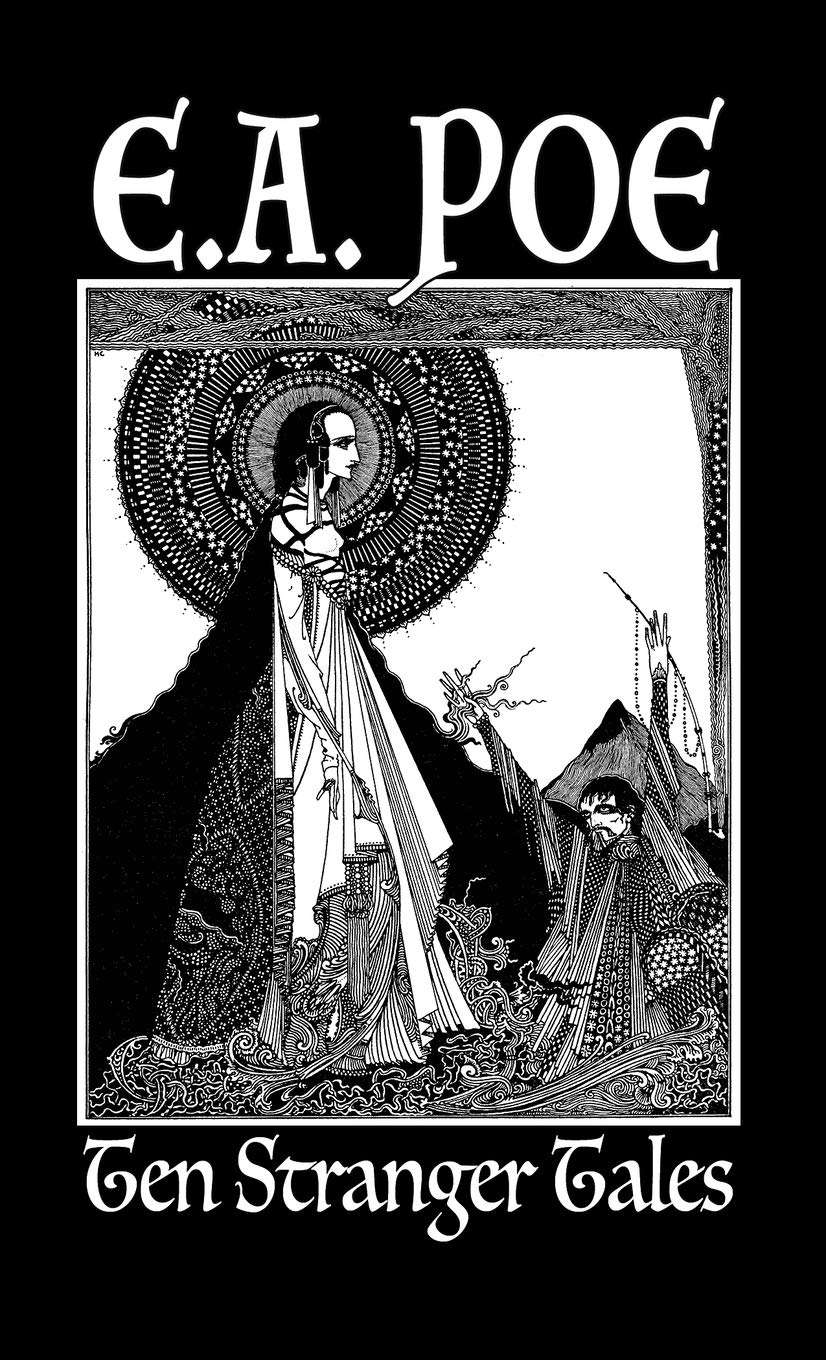
Eldritch lovers, gothic grotesques and a homicidal jester are among the characters issued from the imagination of one of the great American tale-spinners of the nineteenth century. Horror, humor and mystery intertwine in this collection of ten of Edgar Allan Poe's more esoteric short stories. The Stories: "Ligeia" was originally published in the September 18, 1838 issue of American Museum. The poem "The Conqueror Worm," first published in Graham's Magazine in 1843, was added to the text of "Ligeia" in 1845. "Berenice" was originally published in the March 1835 edition of Southern Literary Messenger.. "Morella" was originally published in the April 1835 edition of Southern Literary Messenger. "The Assignation" was originally published as "The Visionary" in the January 1834 edition of Lady's Book. "The Sphinx" was originally published in the January 1846 issue of Arthur's Ladies' Magazine. "King Pest" was originally published in the September 1835 edition of Southern Literary Messenger.. "Hop-Frog" was originally published in the March 17, 1849 issue of The Flag of Our Union. "Shadow-A Parable" was originally published in the September 1835 edition of Southern Literary Messenger. "Silence-A Fable" was originally published as "Siope, -A Fable" in The Baltimore Book-A Christmas and New-Year's Present (Baltimore, 1838). "The Conversation of Eiros and Charmion" was originally published in the December 1839 issue of Burton's Gentleman's Magazine.
Find it on
AmazonNo videos available yet.
No news articles linked to this title yet.
No tags available.

Overall
Overall rating of the media
Atmosphere
How immersive and tense is the atmosphere
Gore
Level and quality of gore/violence
Story
Quality of the storyline and plot
Writing
Quality of the written content
Character Development
Depth and growth of characters
Pacing
Flow and timing of the narrative