BOOK
0
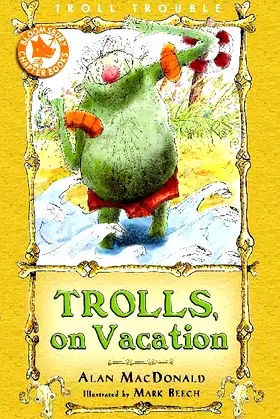
When a family of Trolls moves into the quiet suburb of Biddlesden, it's likely that things are going to get ugly (and possibly hairy and smelly) very soon, since trolls like to roar as loudly as possible and stomp their hairy feet. Even worse, the Trolls have moved in next door to the Priddle family. BIG mistake, and sparks will fly!
The suburban Priddle family is horrified when the Troll family moves in next door. It's not just each Troll's scary size and hairy appearance that's so alarming. There is also little Edrik Troll's roaring practice, the family's decorating style ("A nice bit of dirt on the floor, some moldy leaves--it'll soon look like home"), and their diet: Mrs. Priddle believes that human children are the Trolls' staple food. Gradually, though, the two families reach out, uncover misunderstandings, and inch toward friendship. Kids will hear the messages about cultural tolerance, but it's the slapstick comedy that will draw readers into this first entry in the Troll Trouble series. MacDonald includes deliciously silly vocabulary ("Uggsome!" Edrik yells when he is pleased); inventive details about the Troll lifestyle; and fractured-fairy-tale references to the Billy Goats Gruff. Beech's scribbly line drawings turn up the humor, especially in the endearing portraits of the big, bright-eyed Trolls, wildly dressed, eager to please, and proud to be themselves. Gillian EngbergCopyright © American Library Association. All rights reserved
“Mild farce.”
Find it on
AmazonNo videos available yet.
No news articles linked to this title yet.

Overall
Overall rating of the media
Atmosphere
How immersive and tense is the atmosphere
Gore
Level and quality of gore/violence
Story
Quality of the storyline and plot
Writing
Quality of the written content
Character Development
Depth and growth of characters
Pacing
Flow and timing of the narrative