BOOK
0
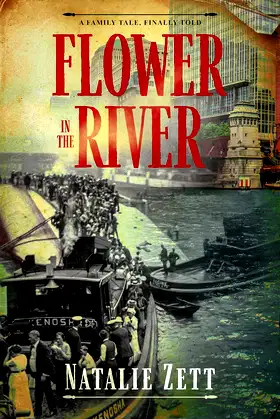
Martha Pfeiffer, age 19, was one of 844 persons who perished when a ship chartered for the Western Electric annual picnic capsized in Chicago in 1915. Martha’s surviving family members never recovered from their grief. The Eastland Disaster has been mostly overlooked in recent years.In 1997, Pearl Pospisil, a retired Chicago writer, and third-generation Pfeiffer, composed a family history and delivered it to her niece, Zara Vrabel, in St. Paul, who was completely unfamiliar with its contents. Pearl had one request: “Do something with this.”Zara, also a journalist, was cut off from her family and had no interest in genealogy. However, learning of her great-aunt’s death on the Eastland Disaster made Zara’s heart sink.Zara’s life unravels as she becomes entangled in the plot and realizes that she and her great-aunt shared more than blood. After discovering that the accident was preventable, Zara initially seeks redress. And the release of another Titanic movie poured salt on a fresh wound. So why was the Eastland consigned to oblivion while the Titanic got all the glory?Flower in the River interweaves the past and present of four generations of an Eastern-European immigrant family. It suggests that even an unknown trauma can affect a family for generations.
Find it on
AmazonNo videos available yet.
No news articles linked to this title yet.

Overall
Overall rating of the media
Atmosphere
How immersive and tense is the atmosphere
Gore
Level and quality of gore/violence
Story
Quality of the storyline and plot
Writing
Quality of the written content
Character Development
Depth and growth of characters
Pacing
Flow and timing of the narrative