
BOOK
0
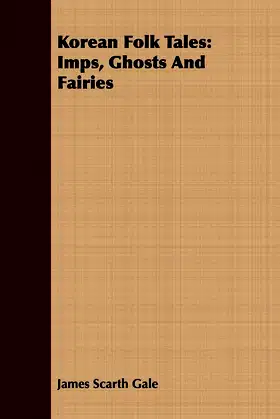
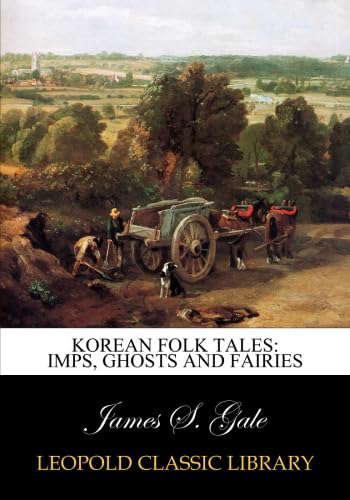
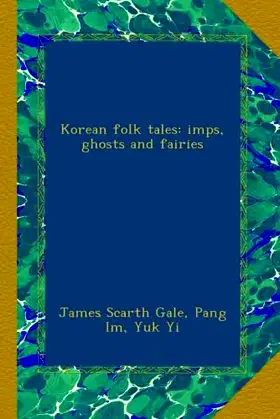
Step into the mystical world of ancient Korea with "Korean Folk Tales: Imps, Ghosts, and Fairies" by James S. Gale. Originally published in 1913, this classic collection of tales brings to life the rich tapestry of Korean folklore, woven with themes of love, bravery, and supernatural encounters. Through the lens of the three great religions of the Far East—Taoism, Buddhism, and Confucianism—readers are transported to a realm where imps, ghosts, and fairies influence the lives of mortals.Immerse yourself in stories such as "Charan," a tale of love and resilience, and "The Story of Chang To-Ryong," which explores the realms of the genii. Experience the chilling transformations in "A Story of the Fox" and "The Wild-Cat Woman," and the gripping adventures of "The Ill-Fated Priest." Each story, translated from the Korean manuscripts of Im Bang and Yi Ryuk, reflects the cultural and spiritual nuances of ancient Korea, offering a window into its mystical past.This edition, brought back into publication by Leopold Classic Library, has undergone rigorous quality control to ensure the best reading experience. It remains faithful to the original work, preserving the authentic voice and atmosphere of early 20th-century translations.Whether you're a lover of folklore, a student of East Asian culture, or simply looking for enchanting stories that captivate the imagination, "Korean Folk Tales: Imps, Ghosts, and Fairies" is a must-read. Delve into these timeless tales and discover the magic and mystery that has fascinated readers for over a century.
Find it on
AmazonNo videos available yet.
No news articles linked to this title yet.

Overall
Overall rating of the media
Atmosphere
How immersive and tense is the atmosphere
Gore
Level and quality of gore/violence
Story
Quality of the storyline and plot
Writing
Quality of the written content
Character Development
Depth and growth of characters
Pacing
Flow and timing of the narrative