
BOOK
0
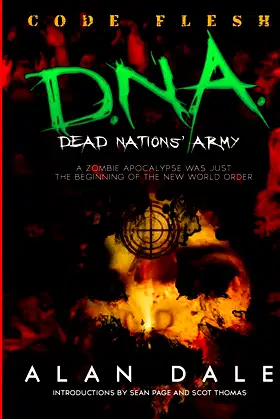
Years have passed since the dead first began to walk, and the world is a very different place. Gone are the luxuries man once enjoyed, to be replaced with a want for basic necessities, such as food, clothing, shelter, and of course, safety from the walking dead. At a time when the survivors of the land believe the undead scourge is almost over, as the dead begin to fade away, a new threat rises from out of the Nevada desert. A lone zombie has appeared with the power to control the undead, and this thinking, reasoning ghoul has a hate for mankind that has rarely been seen before. Gathering the living dead to him, this zombie king begins to sweep across the state, absorbing every town and enclave he comes across, killing the inhabitants and turning them into zombies so they can join his dead army. Henry Watson and his warrior survivalists discover the threat of the zombie king before they reach the next town in their travels, where the group tries desperately to convince the town leaders of their dire fate. But when the dead army arrives and surrounds the town, causing an unending siege that will result in the death of every living human being within its walls, it will be up to Henry to risk all for his friends and the human race. If he fails, there will be no stopping the dead army before it wipes humanity from the planet, leaving nothing but the dead to inherit the earth. In a world filled with the living dead, you can either fight or die.
Find it on
AmazonNo videos available yet.
No news articles linked to this title yet.
No tags available.

Overall
Overall rating of the media
Atmosphere
How immersive and tense is the atmosphere
Gore
Level and quality of gore/violence
Story
Quality of the storyline and plot
Writing
Quality of the written content
Character Development
Depth and growth of characters
Pacing
Flow and timing of the narrative