

BOOK
0
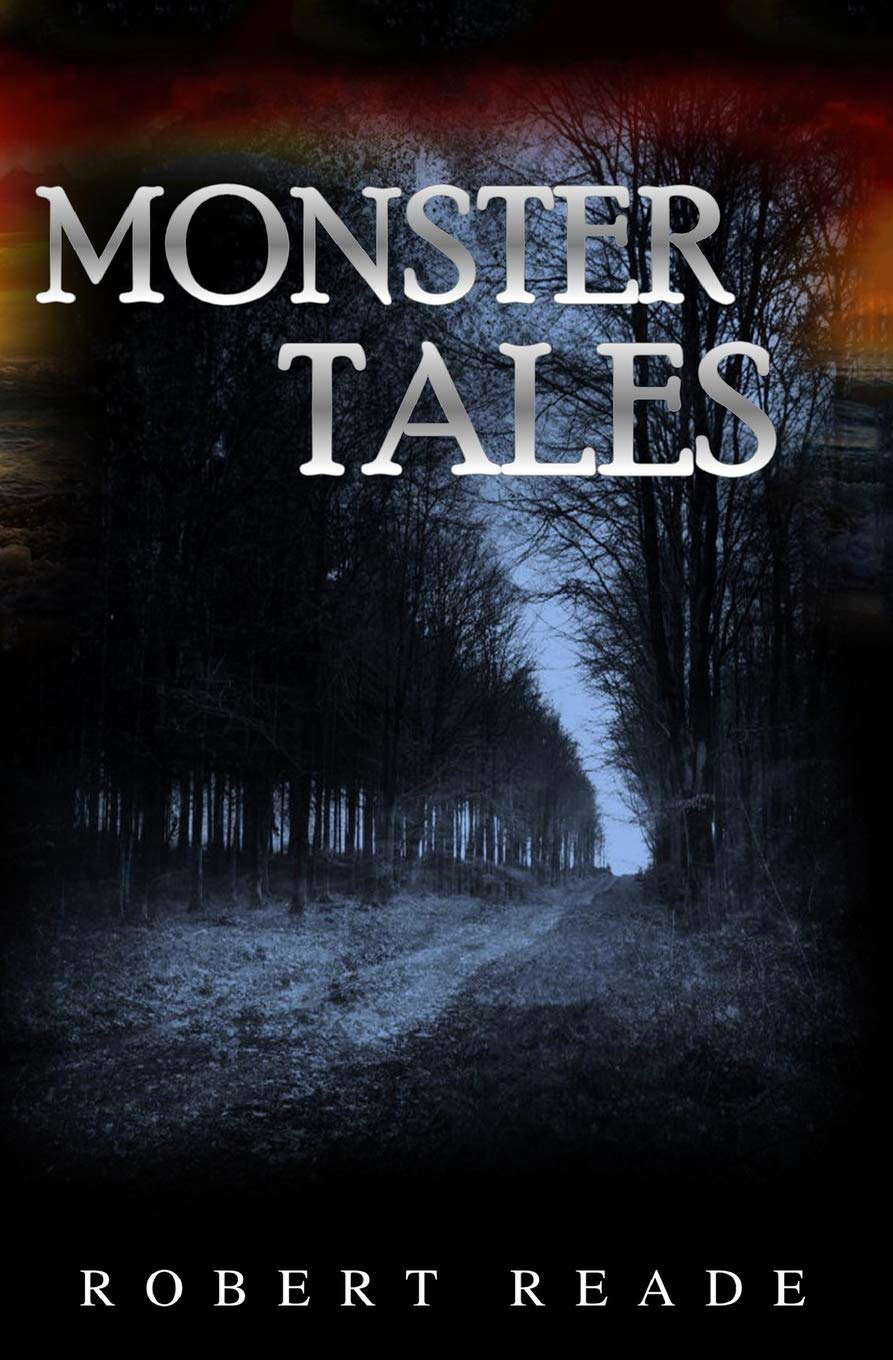
The stories in this series are a twist on the usual zombies, werewolves, and vampires tales. Honoring the classic monster paradigm these characters are all antiheroes and outcasts. “Just Us” is an out of the ordinary zombie tale. In the not too distant future, the zombie apocalypse has come and gone. Since no more humans are left, take a tour of what remains through the perspective of four different zombies, each in a different phase of their afterlife. Would you read the recorded thoughts of a cognizant zombie? What about two zombies who just discovered that they are in love?“The Fanpire” is a completely different take on the typical vampire tale. What happens when an obese, clumsy, and bankrupt English lord in 1692 inadvertently becomes a vampire? When forced to feed on blood to survive, nothing goes right for Alpheus and he is accidentally entombed until the year 1996. Then without his knowledge, opposing vampire fan clubs develop around the city, which eventually elevate him to the status of a pop icon. When he finally gets the opportunity to end his curse, will he take it?“Faustus Lupus” is a blend of historical fiction and a classic monster tale. What happens when a wealthy, popular commander, and patriotic Roman citizen on a path to glory escapes a devastating ambush, but is attacked and bitten by a werewolf? Through his transformation, he discovers far more than he expected. Will Faustus be able to reverse the curse and return to his old life?
Find it on
AmazonNo videos available yet.
No news articles linked to this title yet.

Overall
Overall rating of the media
Atmosphere
How immersive and tense is the atmosphere
Gore
Level and quality of gore/violence
Story
Quality of the storyline and plot
Writing
Quality of the written content
Character Development
Depth and growth of characters
Pacing
Flow and timing of the narrative