

BOOK
0
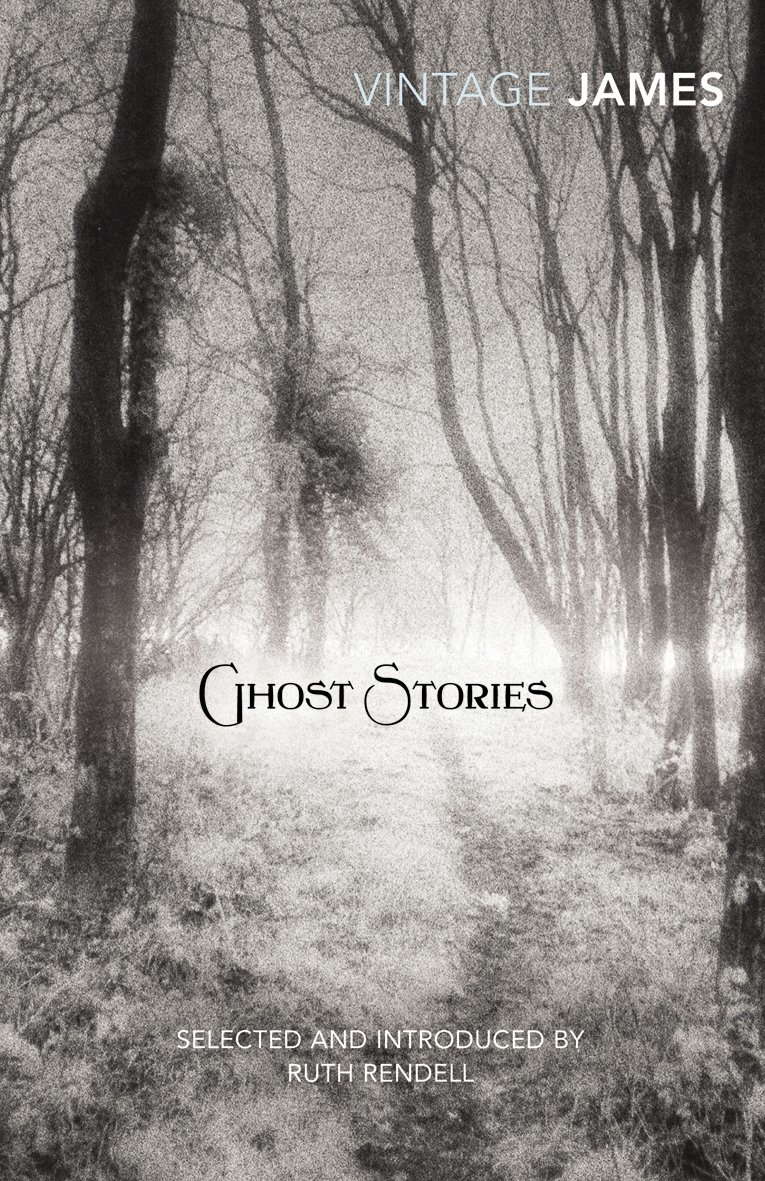
Malignant forces and supernatural visitors haunt these superbly spooky tales, selected and introduced by Ruth Rendell M. R. James wrote his ghost stories to entertain friends on Christmas Eve, and they went on to both transform and modernize a genre. James harnesses the power of suggestion to move from a recognizable world to one that is indefinably strange, and then unforgettably terrifying. Sheets, pictures, carvings, a doll's house, a lonely beach, a branch tapping on a window—ordinary things take on more than a tinge of dread in the hands of the original master of suspense. James's prescription for his ghost stories was to "let the ominous thing put out its head, unobtrusively at first, and then more insistently, until it holds the stage."
"An original and powerful storyteller . . . A gnawing sense of unease, a steady accumulation of sounds, shadows and images finally meet in a single moment of sensational physical horror."
"M. R. James is quite simply the finest writer of ghost stories ever. They're always set in an academic context, about university chaps who find out very nasty things while they're researching. They uncork the wrong bottle, unearth the wrong papers, dig up the wrong place. . . . James was provost of Eton and a fellow of Kings College, and the stories have this wonderful candlelit, academic atmosphere, surrounded by incredible nastiness. Tweedy, but unpleasant."
Find it on
AmazonNo videos available yet.
No news articles linked to this title yet.

Overall
Overall rating of the media
Atmosphere
How immersive and tense is the atmosphere
Gore
Level and quality of gore/violence
Story
Quality of the storyline and plot
Writing
Quality of the written content
Character Development
Depth and growth of characters
Pacing
Flow and timing of the narrative