
BOOK
0
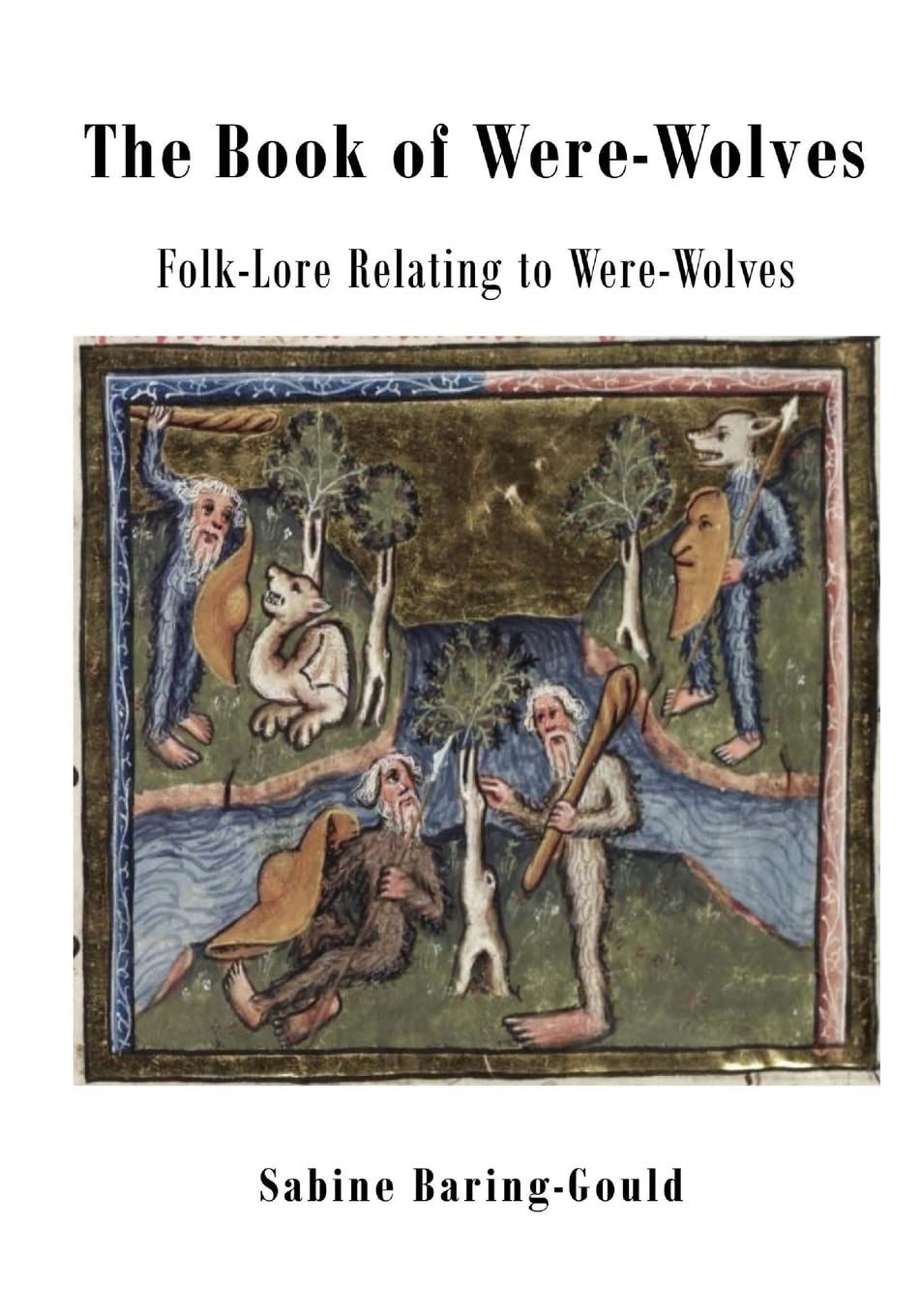
The Book of Were-WolvesFolk-Lore Relating to Were-Wolvesby Sabine Baring-GouldA werewolf, also known as a lycanthrope is a mythological or folkloric human with the ability to shapeshift into a wolf or a therianthropic hybrid wolf-like creature, either purposely or after being placed under a curse or affliction (e.g. via a bite or scratch from another werewolf). Early sources for belief in lycanthropy are Petronius and Gervase of Tilbury.WHAT is Lycanthropy? The change of manor woman into the form of a wolf, either through magical means, so as to enable him or her to gratify the taste for human flesh, or through judgment of the gods in punishment for some great offence.This is the popular definition. Truly it consists in a form of madness, such as may be found in most asylums.Among the ancients this kind of insanity went by the names of Lycanthropy, Kuanthropy, or Boanthropy, because those afflicted with it believed themselves to be turned into wolves, dogs, or cows. But in the North of Europe, as we shall see, the shape of a bear, and inAfrica that of a hyæna, were often selected in preference. A mere matter of taste! According to Marcellus Sidetes, of whose poem {Greek perì lukanðrw'pou} a fragment exists, men are attacked with this madness chiefly in the beginning of the year, and become most furious in February; retiring for the night to lone cemeteries, and living precisely in the manner of dogs and wolves.
Find it on
AmazonNo videos available yet.
No news articles linked to this title yet.

Overall
Overall rating of the media
Atmosphere
How immersive and tense is the atmosphere
Gore
Level and quality of gore/violence
Story
Quality of the storyline and plot
Writing
Quality of the written content
Character Development
Depth and growth of characters
Pacing
Flow and timing of the narrative