
BOOK
0
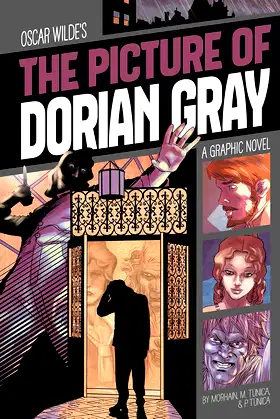
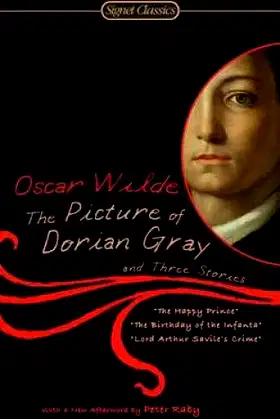
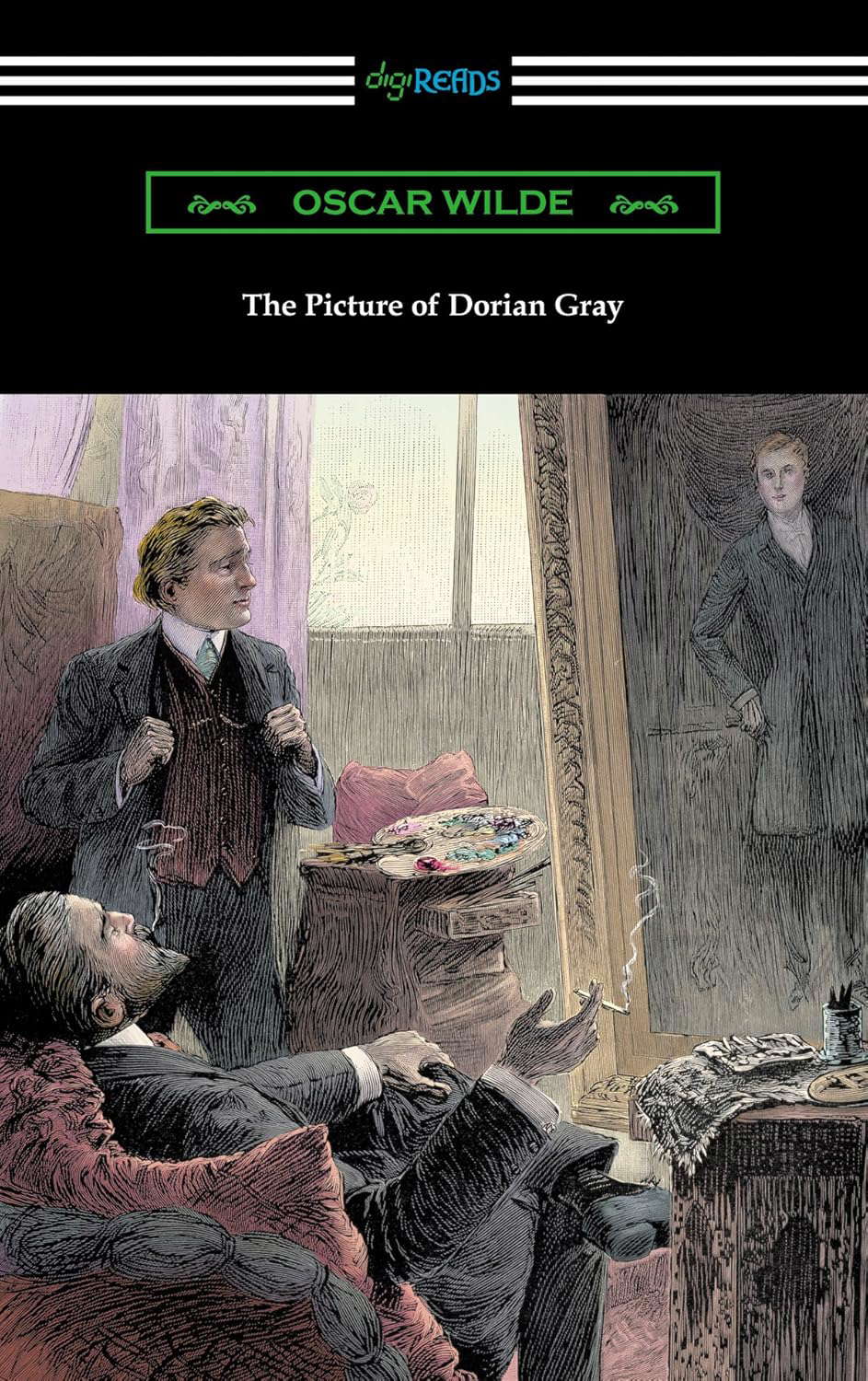
Oscar Wilde’s only full-length novel “The Picture of Dorian Gray” was first published in 1890 and is the classic tale of the moral decline of its title character, Dorian Gray. While Dorian has his portrait painted by Basil Hallward he is lectured to by Lord Henry Wotton, who espouses a hedonistic world view. Dorian is drawn to Wotton’s belief that beauty and sensuality are the only things in life worth pursuing and wishes that he would stay young while his portrait changes instead. In the years that follow Dorian pursues a life of vice and debauchery, committing unspeakable acts along the way. With the passage of time, Dorian’s wish comes true, as his age and withering moral character are reflected in his portrait instead of himself. “The Picture of Dorian Gray” is arguably one of Wilde’s most popular works, which caused quite a scandal in Victorian England when it was first published, for its glorification of decadency. A chilling tale, “The Picture of Dorian Gray” is at once both an intricate character study and a sharp criticism of the improprieties of the Victorian age. This edition includes a biographical afterword.
Dorian Gray has just had his portrait painted. It is a perfect likeness of the quite extraordinary beautiful young man, and it prompts him to make a mad wish for eternal youth. In the years to come, he devotes his public life to and aestheticism-and his private one to decadence and debauchery.
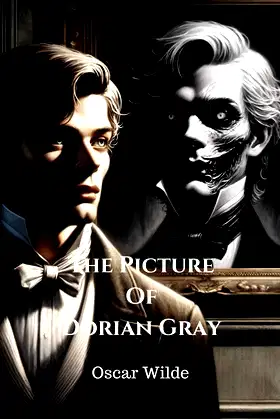
Spellbound before his own portrait, Dorian Gray utters a fateful wish. In exchange for eternal youth he gives his soul, to be corrupted by the malign influence of his mentor, the aesthete and hedonist Lord Henry Wotton. The novel was met with moral outrage by contemporary critics who, dazzled perhaps by Wilde's brilliant style, may have confused the author with his creation, Lord Henry, to whom even Dorian protests, 'You cut life to pieces with your epigrams.'. Encouraged by Lord Henry to substitute pleasure for goodness and art for reality, Dorian tries to watch impassively as he brings misery and death to those who love him. But the picture is watching him, and, made hideous by the marks of sin, it confronts Dorian with the reflection of his fall from grace, the silent bearer of what is in effect a devastating moral judgement.
Find it on
AmazonNo videos available yet.
No news articles linked to this title yet.

Overall
Overall rating of the media
Atmosphere
How immersive and tense is the atmosphere
Gore
Level and quality of gore/violence
Story
Quality of the storyline and plot
Writing
Quality of the written content
Character Development
Depth and growth of characters
Pacing
Flow and timing of the narrative