

BOOK
0
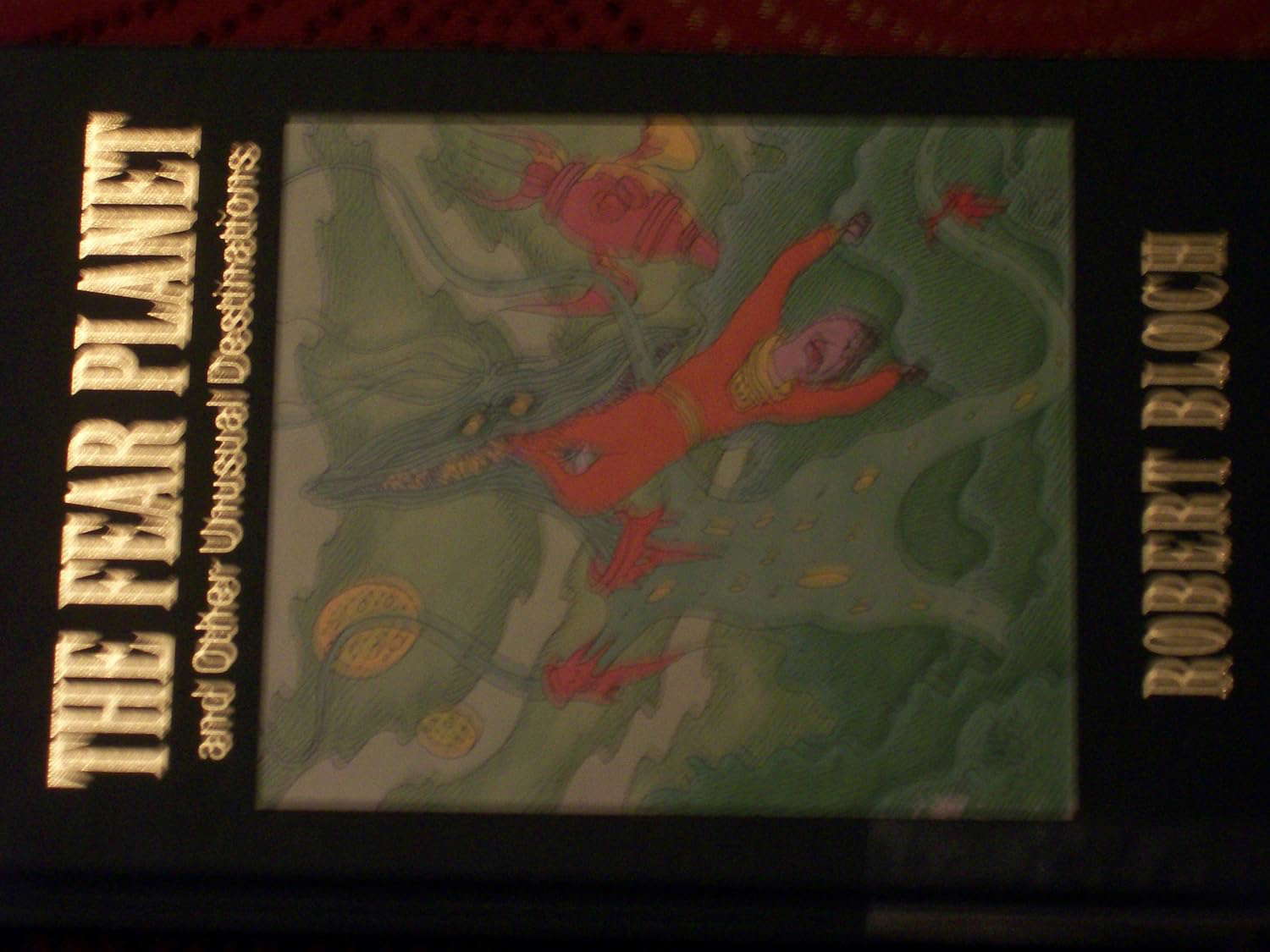
It's no secret that a hefty helping of Robert Bloch's fiction remains unreprinted or uncollected since its original publication in pulp magazines, digests and anthologies of original stories. What many readers don't know is how good much of this fiction is. These stories run the full gamut of genres for which Bloch wrote--fantasy, horror, science fiction, mystery--and all showcase Bloch's inimitable style. We can't presume to know why Bloch never collected them in his lifetime, even though he sanctioned the reprinting of some in anthologies. Possibly, he felt they didn't fit the scheme of specific books. Regardless, the stories provide interesting snapshots of Bloch's career at the time they were written, and the evolution of story markets where they appeared.Subterranean Press's The Reader's Bloch series was conceived to give these stories a well-deserved nesting place. It is currently planned to run to two, possibly three volumes, containing approximately fifty stories spanning Bloch's career from the late 1930s to the early 1990s. The series will stand independent of The Lost Bloch series, which concentrated primarily on novella and short-novel length works, but readers who enjoyed those volumes will find the same fun and thrills in these books. Currently, we've planned a volume devoted primarily to science fiction, and another primarily to horror. When you're talking Robert Bloch, however, genre categories have little meaning. Several of the science fiction stories Bloch contributed to Amazing, Startling Stories, Fantastic Adventures and other pulps would have fit comfortably into any of his horror collections. Likewise some of crime stories he contributed to Dime Mystery, DetectiveTales and Mammoth Mystery. Most of the latter were never reprinted, and more's the pity since they show Bloch mastering the hardboiled idiom and dealing with ghoulish themes that chart a line of direct descent from his early horror tales to the psychological suspense novels and stories that became his trademark in the 1950s and '60s. No, we don't plan to include any of the Lefty Feep stories from Fantastic Adventures, but we do have a few surprises up our sleeve, including at least one overlooked story that might be called the bookend to Bloch's Lovecraftian/Cthulhu Mythos stories. And we have a bounty of fantasy and science fiction satires that rank with Bloch's wittiest fiction and essays. In all, the series will offer readers a generous helping of Bloch's writing from his most active and imaginative years.
While now best known for his horror fiction, prolific pulp writer Robert Bloch (1917–1994) also often contributed to AmazingStories and other magazines that helped define SF's Golden Age. Critic and anthologist Dziemianowicz (Rivals of Weird Tales) has done a real service by collecting 21 Bloch stories from this era, many never before reprinted, in the first volume of a new series devoted to Bloch's short fiction. Because Bloch's science fiction typically featured loony characters and a bunch of gags with a few technical terms tossed in, his work in this vein has dated less than much of the more serious, speculative SF of his contemporaries. Gems include the embarrassingly hilarious "yellow peril" story "Secret of the Observatory"; "Beep No More, My Lady," in which space has been taken over by advertising; and the preposterous "Queen of the Metal Men," an H. Rider Haggard spoof with Lovecraftian touches. As Dziemianowicz so aptly observes in his introduction, "By his own admission Bloch never was a power hitter in science fiction—but maybe it was because he didn't regularly swing for the fences that he managed to connect as often as he does in these stories." Copyright © Reed Business Information, a division of Reed Elsevier Inc. All rights reserved.
Bloch may be best known for his horror stories, but the first volume of the Reader's Bloch (typically Blochian pun) proves he was just as capable at sf. These stories are from the pulps, but they're not stereotypical space-opera stuff. They range from "Beep No More, My Lady," with its funny but creepy insight about the lengths TV execs will go to, and the obvious solution to a rampaging alien's problem in "How Bug-Eyed Was My Monster" to the touching story of a fifties househusband who finds love in the form of a household cleaning robot in "The Tin You Love to Touch." Pulp expectations are sometimes fulfilled, as by "The Secret of the Observatory," in which a newspaperman discovers a fiendish plot to spy on U.S. military fortifications from Canada; and elements from Bloch's horrific imagination creep in, such as the bizarre creation of a monster through an experimental new film technique in "Phantom from the Film." If this stuff is overlooked Bloch, thank God someone has stumbled on it. Regina SchroederCopyright © American Library Association. All rights reserved
Find it on
AmazonNo videos available yet.
No news articles linked to this title yet.

Overall
Overall rating of the media
Atmosphere
How immersive and tense is the atmosphere
Gore
Level and quality of gore/violence
Story
Quality of the storyline and plot
Writing
Quality of the written content
Character Development
Depth and growth of characters
Pacing
Flow and timing of the narrative