
BOOK
0
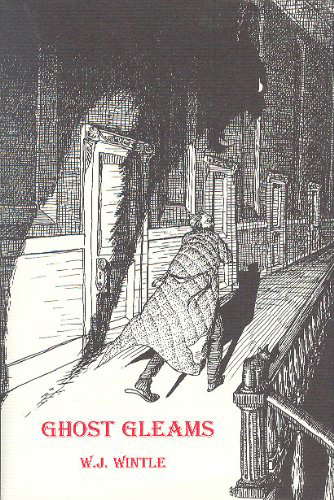
First published in 1921, GHOST GLEAMS is one of the most elusive titles in the genre of the classic supernatural tale, and the author of the collection's fifteen tales has long been a mysterious—even ghostly—figure, despite having been a prolific Victorian and Edwardian writer who was able to turn his hand to almost any subject required of him.Born in 1861, William James Wintle established a name for himself as a prolific and versatile author, equally adept at writing a best-selling account of the Armenian massacre and a cookbook of Continental recipes. He was considered an expert on the British royal family, was a noted writer on the subject of natural history, and in 1899 became the major regular in-house contributor to the highly popular HARMSWORTH MAGAZINE.Towards the end of the Great War, Wintle became an Oblate in the Abbey of Caldey Island; it was there, on Sunday evenings, that he told a series of ghost stories to the eight boys who attended the Abbey's school. The stories—which feature a range of other-worldly visitants, from haunted beds and vengeful ancestors to spectral cats and prehistoric animals—were later collected together and published as GHOST GLEAMS, with the author noting that 'the gruesome ones met with the best reception'. This first-ever reprint of GHOST GLEAMS includes an introduction by Richard Dalby, who presents the most complete biography of Wintle ever assembled, as well as a 1903 article by Wintle about real ghosts, and an account of life on Caldey Island at the time Wintle was there, written by on of the 'eight dear boys' to whom GHOST GLEAMS is dedicated.
Find it on
AmazonNo videos available yet.
No news articles linked to this title yet.

Overall
Overall rating of the media
Atmosphere
How immersive and tense is the atmosphere
Gore
Level and quality of gore/violence
Story
Quality of the storyline and plot
Writing
Quality of the written content
Character Development
Depth and growth of characters
Pacing
Flow and timing of the narrative