BOOK
0
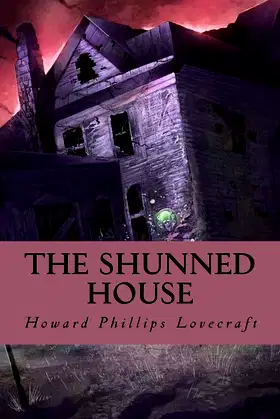
“Bunch together a group of people deliberately chosen for strong religious feelings, and you have a practical guarantee of dark morbidities expressed in crime, perversion, and insanity.” -H. P. LovecraftA posthumous story of immense power, written by a master of weird fiction--a tale of a revolting horror in the cellar of an old house in New England.Published posthumously in the October 1937 issue of Weird Tales, "The Shunned House" recounts the history of a vacant house in Providence, Rhode Island. As a child, the unnamed protagonist and his friends would sneak into the cellar where luminescent fungi grew and strange fogs seeped out of the ground. As an adult, he shared his interest with his uncle Dr. Elihu Whipple, who, also fascinated with the mysterious house, provided him with research materials to study.The house was built upon a former burial ground by a sea captain. Over the years his family lived there, members of the household would sicken and died. The people who survived suffered from physical or mental weakness. No one suspected the house of anything more sinister than toxic mold and tainted water. Generations had moved in and died before the house could be abandoned.The protagonist continued to research the house, looking farther back into the records for clues to the reason why the house was so eerily contaminated. What he found spurred him into action – to spend one night with his uncle in the cellar of the shunned house. And that's when things get weird.
Find it on
AmazonNo videos available yet.
No news articles linked to this title yet.
No tags available.

Overall
Overall rating of the media
Atmosphere
How immersive and tense is the atmosphere
Gore
Level and quality of gore/violence
Story
Quality of the storyline and plot
Writing
Quality of the written content
Character Development
Depth and growth of characters
Pacing
Flow and timing of the narrative