
BOOK
0
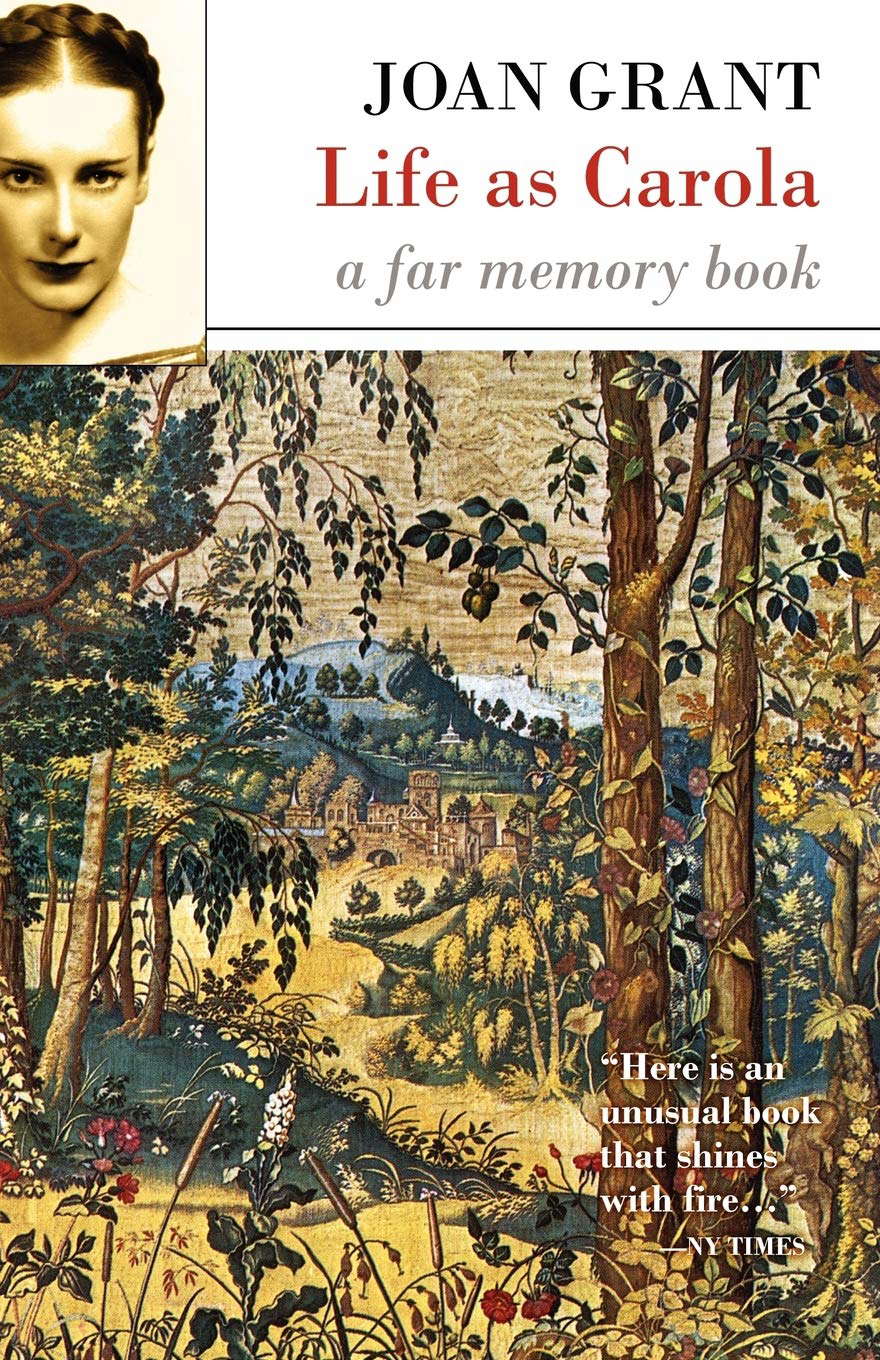
The second of Joan Grant's "Far Memory" novels, Life as Carola gives a fascinating glimpse into life in Italy just before the advent of the Renaissance. Through Carola's eyes, we see the beginnings of modern theater, and the tremendous extremes between the life of nobility and the common man. Carola was the illegitimate daughter of an Italian nobleman, the Lord of the Griffin, in sixteenth-century Italy. Cast out at an early age, she joined a band of strolling players. In her short lifetime Carola gathers harsh experience of poverty, violence and bigotry softened by the friendships she makes on the road: with Petruchio, both jester and sage, with Bernard, the gentle strongman, and Lucia, the harlot who loves him, and with healer Sofia, whose fate warns Carola to keep quiet about her dreams of the Shining One who guides and comforts her. As a child growing up in Edwardian England, Joan Grant became aware of an astonishing ability to remember previous lifetimes, and as an author professed her seven novels to be based on her personal recollections of other incarnations, male and female, in ancient civilisations. "Life as Carola was the book that pleased me most. I think it contains my best writing and poetry."-Joan Grant "The real power of this book is its personal account of a very intimate story-the growth and development of the inner character of a young woman, and her capacity to triumph in even the most adverse situations. This is a book filled with all the best qualities of human nature." Books of Light
Find it on
AmazonNo videos available yet.
No news articles linked to this title yet.

Overall
Overall rating of the media
Atmosphere
How immersive and tense is the atmosphere
Gore
Level and quality of gore/violence
Story
Quality of the storyline and plot
Writing
Quality of the written content
Character Development
Depth and growth of characters
Pacing
Flow and timing of the narrative