
BOOK
0
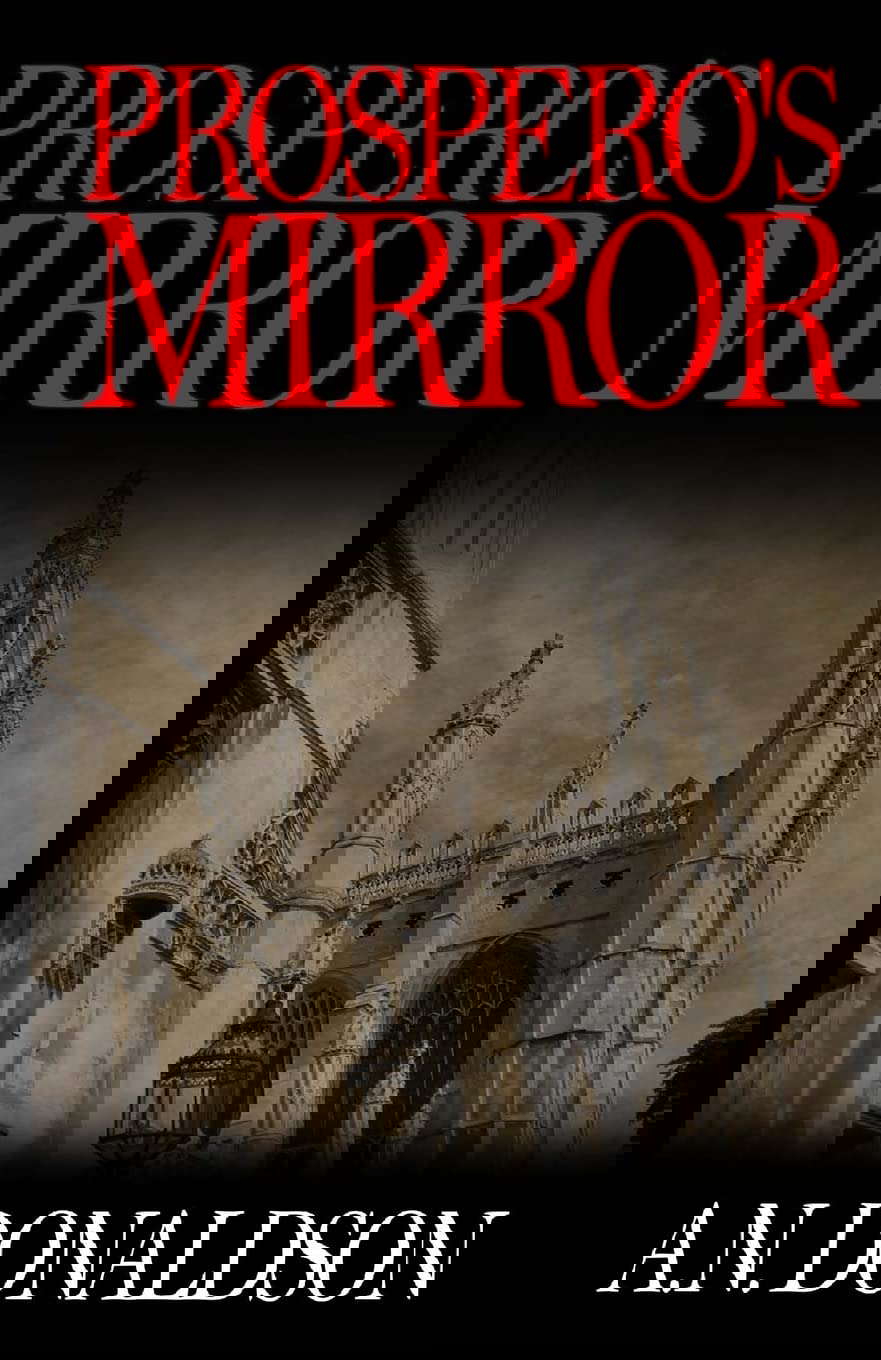
Oxford, 1935 M. R. James, Britain’s greatest writer of ghost stories, is summoned by the Warden of Old College to investigate the inscription on an ancient stone mirror. But he finds himself drawn into a dark maze of secrets, including one from his own guilty past. Oxford, 1665 At a time when established orthodoxies are being challenged by the new science, Warden Woodward of Old College has acquired the same mirror. He soon suspects conspiracy and witchcraft in a city besieged by plague. Assailed by devastating visions, caught between fears of an ancient curse and the World Wars of the future, two men from different centuries delve into a forgotten mystery and are forced to confront their own demons. But is self-reflection the most dangerous thing of all? And are there some words that can kill? “What is read cannot be unread...” Stella Rimington said: “Necromancy, witchcraft and gruesome goings on among the dreaming spires. This historically based, well researched and beautifully written blood chiller will have you looking over your shoulder for nameless horrors. Beware of the ending, particularly if you suffer from bad dreams.” Frances Cairncross said: “Alasdair Donaldson has written a splendidly spooky first novel, vividly combining the horrors of plague-ridden 17th century Oxford with mysterious goings on in the wintry city in the interwar years. His creepy description of the deserted cloister and turrets of ‘Old College’ over Christmas is guaranteed to ensure that no undergraduate stays behind in Oxford over the holidays.”
Find it on
AmazonNo videos available yet.
No news articles linked to this title yet.

Overall
Overall rating of the media
Atmosphere
How immersive and tense is the atmosphere
Gore
Level and quality of gore/violence
Story
Quality of the storyline and plot
Writing
Quality of the written content
Character Development
Depth and growth of characters
Pacing
Flow and timing of the narrative