

BOOK
0
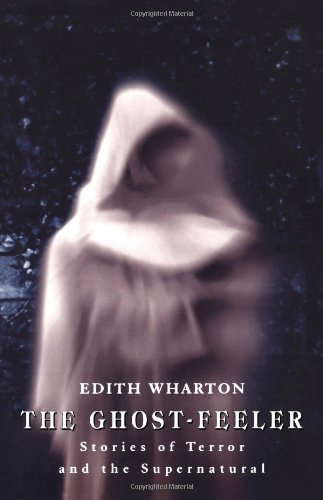
Diagnosed with typhoid fever at age of nine, Edith Wharton was beginning a long convalescence when she was given a book of ghost tales to read. Not only setting back her recovery, this reading opened up her fevered imagination to "a world haunted by formless horrors." So chronic was this paranoia that she was unable to sleep in a room with any book containing a ghost story. She was even moved to burn such volumes. These fears persisted until her late twenties. She outgrew them but retained a heightened or "celtic" (her term) sense of the supernatural. Wharton considered herself not "a ghost-seer"the term applied to those people who have claimed to have witnessed apparitionsbut rather a "ghost-feeler," someone who senses what cannot be seen. This experience and ability enabled Edith Wharton to write chilling tales that objectify this sense of unease. Far removed from the comfort and urbane elegance associated with the author's famous novels, the stories in this volume deal with vampirism, isolation, and hallucination, and were praised by Henry James, L. P. Hartley, Graham Greene, and many others.
Edith Wharton described herself as having an "intense Celtic sense of the supernatural." The Ghost-Feeler: Stories of Terror and the Supernatural, selected and introduced by Peter Haining, contains nine stories that Wharton wrote between 1893 and 1935. While they display the elegant prose of her novels, these tales revolve around supernatural manifestations (vampires, doppelgangers) made credible by Wharton's superb storytelling skills.Copyright 1996 Reed Business Information, Inc.
"Wharton is rich in implication . . . the selection here is an excellent one."
Find it on
AmazonNo videos available yet.
No news articles linked to this title yet.

Overall
Overall rating of the media
Atmosphere
How immersive and tense is the atmosphere
Gore
Level and quality of gore/violence
Story
Quality of the storyline and plot
Writing
Quality of the written content
Character Development
Depth and growth of characters
Pacing
Flow and timing of the narrative