BOOK
0
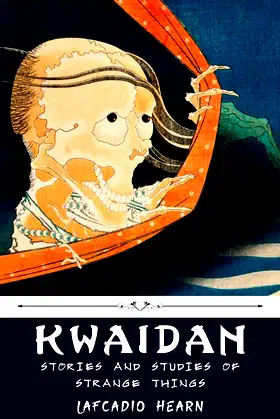
KwaidanStories and Studies of Strange ThingsLafcadio HearnJapanese Ghost StoriesKwaidan: Stories and Studies of Strange Things, often shortened to Kwaidan, is a book by Lafcadio Hearn that features several Japanese ghost stories and a brief non-fiction study on insects. It was later used as the basis for a movie called Kwaidan by Masaki Kobayashi in 1964.Kaidan is Japanese for "ghost story".Hearn declares in his introduction to the first edition of the book, which he wrote on January 20, 1904, shortly before his death, that most of these stories were translated from old Japanese texts. He also states that one of the stories — Yuki-onna — was told to him by a farmer in Musashi Province, and his was apparently the first record of it, both by his own account and according to the research of modern folklorists. Riki-Baka is based on a personal experience of Hearn's. While he does not declare it in his introduction, Hi-Mawari — among the final narratives in the volume – seems to be a recollection of an experience in his childhood (it is, setting itself apart from almost all the others, written in the first person and set in rural Wales).TABLE OF CONTENTSTHE STORY OF MIMI-NASHI-HOICHIOSHIDORITHE STORY OF O-TEIUBAZAKURADIPLOMACYOF A MIRROR AND A BELLJIKININKIMUJINAROKURO-KUBIA DEAD SECRETYUKI-ONNATHE STORY OF AOYAGIJIU-ROKU-ZAKURATHE DREAM OF AKINOSUKERIKI-BAKAHI-MAWARIHORAIINSECT STUDIESBUTTERFLIESMOSQUITOESANTS Notes
Find it on
AmazonNo videos available yet.
No news articles linked to this title yet.

Overall
Overall rating of the media
Atmosphere
How immersive and tense is the atmosphere
Gore
Level and quality of gore/violence
Story
Quality of the storyline and plot
Writing
Quality of the written content
Character Development
Depth and growth of characters
Pacing
Flow and timing of the narrative