
BOOK
0
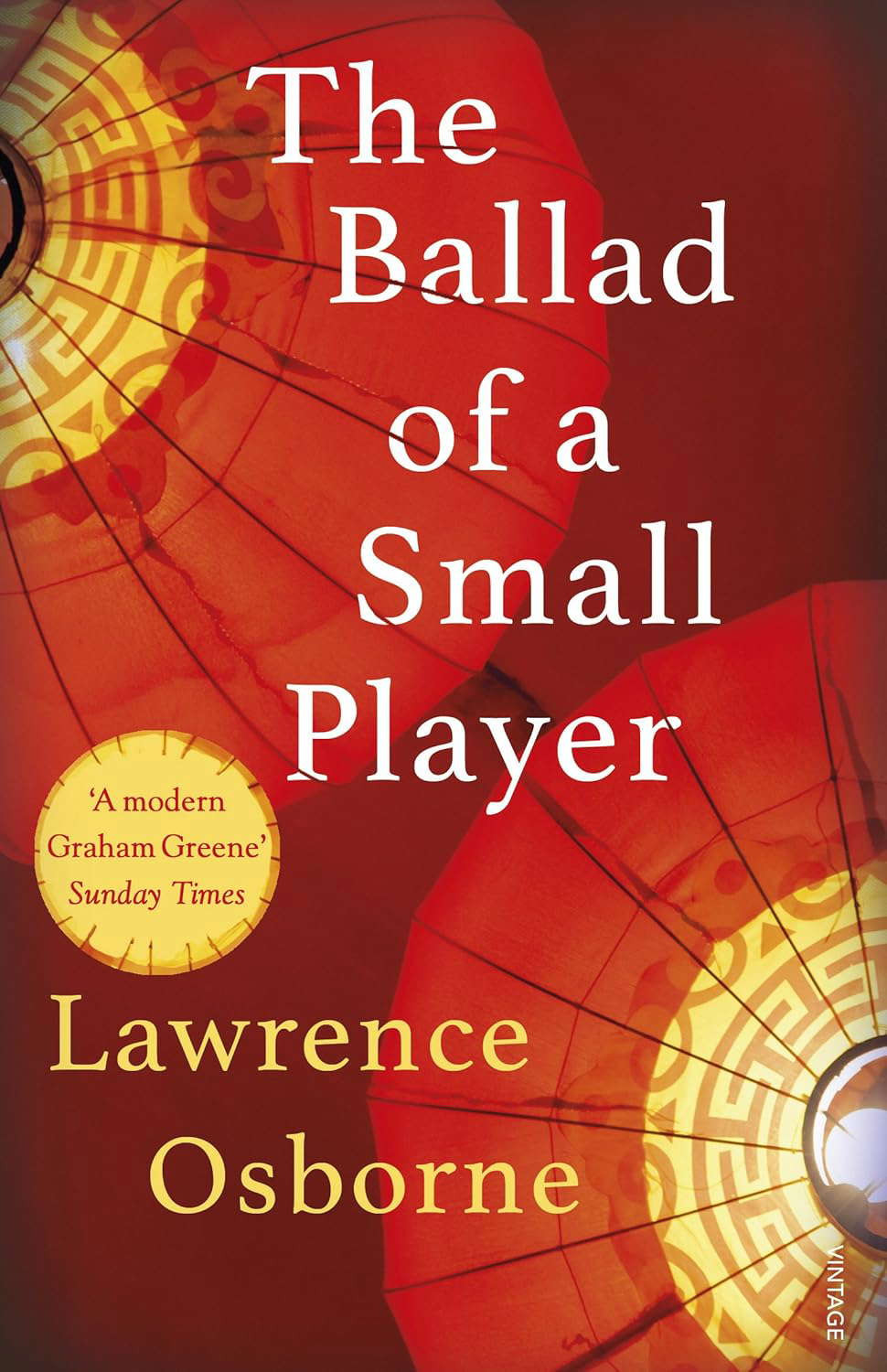
SOON TO BE A MAJOR NETFLIX FILM, STARRING COLIN FARELL AND TILDA SWINTON‘I waited patiently for the next hand to be played out, and I had a feeling it was going to be a Natural, a perfect nine.’His name is Lord Doyle.His plan: to gamble away his last days in the dark and decadent casino halls of Macau.His game: baccarat punto blanco -- 'that slutty dirty queen of casino card games.'Though Doyle is not a Lord at all. He is a fake; a corrupt lawyer who has spent a career siphoning money from rich clients. And now he is on the run, determined to send the money – and himself – up in smoke.So begins a beguiling, elliptical velvet rope of a plot: a sharp suit, yellow kid gloves, another naughty lemonade and an endless loop of small wins and losses. When Lady Luck arrives in the form of Dao-Ming, a beautiful yet enigmatic lost soul, so begins a spectacular and unnatural winning streak in which millions come Doyle’s way. But in these shadowy dens of risk and compulsion, in a land governed by superstition, Doyle knows that when the bets are high, the stakes are even greater.The Ballad of a Small Player is a sleek, dark-hearted masterpiece: a ghost story set in the land of the living, and a decadent morality tale of a Faustian pact made, not with the devil, but with fortune’s fickle hand.
Having hastily decamped from the stuffy legal courtrooms of London to the smoky back-alley casinos of Macau, Lord Doyle tries to capitalize on the ill-gotten gains that forced his flight from his homeland by gaming the system at the island’s glitzy baccarat tables. His fortunes rise and fall on a whim, the excesses of success mitigated by the depression of defeat. Always one to put on a good show, however, Doyle maintains his aura of invincibility until a local call girl offers him refuge when his money runs out. Robbing her to get enough of a stake on which to make a comeback, Doyle achieves a run of unprecedented good luck, but at what cost? With its ex-pat angst and debauched air of moral ambiguity set amid the sinister demimonde of the Far East’s corrupt gambling dens, Osborne’s (The Forgiven, 2012) darkly introspective study of decline and decay conjures apt comparisons to Paul Bowles, Graham Greene, and V. S. Naipaul. --Carol Haggas
“Slim but insistent…A vivid and feverish portrait of a soul in self-inflicted purgatorio.”
“Osborne, a travel writer, renders the atmosphere of casinos, hotels, and restaurants seductively…[and] shows an impeccable facility for capturing the sweat-soaked suspense of the high-stakes card table.”
“Hypnotic…Macau and Hong Kong feel vivid and true in the novel, yet also otherworldly: Well-known landmarks and weather conditions are captured with a stillness and beauty that make them feel haunting and melancholy…But ultimately it is the uncertain fate of Doyle and the others that made me as a reader feel strangely fulfilled. The decisions they make seem connected to the thrilling and terrifying changes taking place around them. Old ways collide with a brash new world, and in this game, it is not yet clear which will emerge the winner.”
“Haunting…A captivating story about the nature of addiction, the power of the supernatural and the freedom that may come from throwing everything to chance.”
“Elegantly told…The beauty of this novel is in the elegance and precision of its prose, which renders the glaring kitsch of Macau into a series of exquisite miniatures, and draws on Osborne's reserves as a travel writer.”
"A searing portrait of addiction and despair set in the glittering world of Macau's casinos...Osborne's intriguing Chinese milieu and exquisite prose make this work as a standout."
“Osborne masterfully recreates the atmosphere of casinos as well as the psychology of baccarat players
"[Osborne's] darkly introspective study of decline and decay conjures apt comparisons to Paul Bowles, Graham Greene, and V. S. Naipaul."
“Osborne’s The Forgiven, an Economist Best Book of the Year (and one of my personal Bests from last year, too), is as brilliant, unsentimental a rendering of contemporary East-West conflict and the imperfect human psyche as you are likely to find. His new work proceeds in that tradition…Don’t miss”
“A modern Graham Greene… Osborne is a thrilling, exceptional talent in British fiction’s landscape.”
“Unavoidable comparisons will be drawn with Graham Greene’s work…[Osborne] has a masterful touch with creating mood, and a swirling, world-weary foreignness pervades the story. The Ballad of a Small Player is a layered work, a novel about addiction, love and class but given an allusive face by the way it perches constantly on some supernatural brink.”
"Brooding, compelling...There’s a strong, almost old-fashioned moral force at work in Osborne’s novel... At the novel’s dramatic close, you could accuse Osborne of forcing the hand of moral come-uppance just a little too much
Find it on
AmazonNo videos available yet.
No news articles linked to this title yet.

Overall
Overall rating of the media
Atmosphere
How immersive and tense is the atmosphere
Gore
Level and quality of gore/violence
Story
Quality of the storyline and plot
Writing
Quality of the written content
Character Development
Depth and growth of characters
Pacing
Flow and timing of the narrative