

BOOK
0
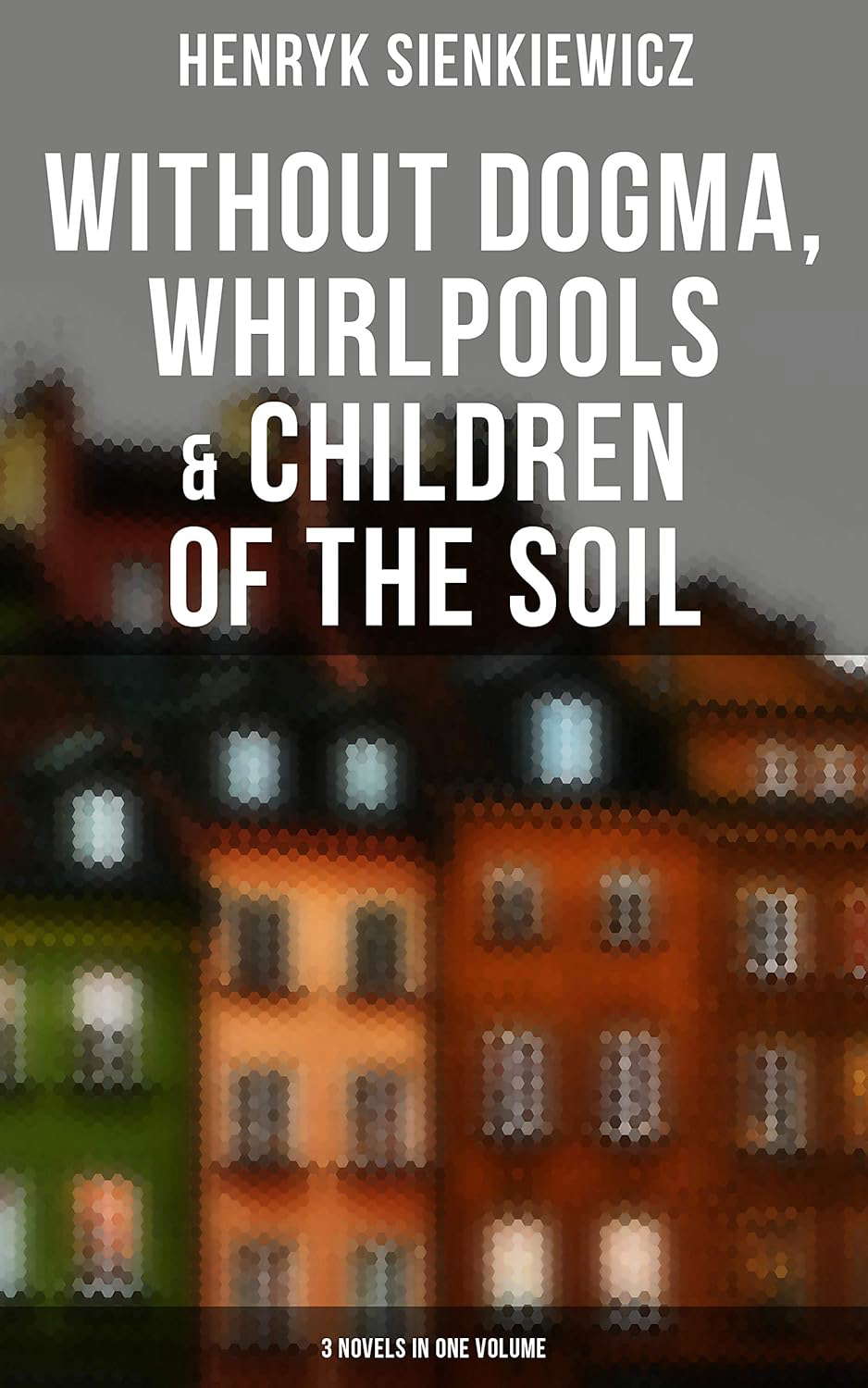
In Henryk Sienkiewicz's epic collection of three novels, 'Without Dogma, Whirlpools & Children of the Soil,' readers are invited into the intricate world of 19th-century Polish literature. Sienkiewicz's literary style is rich in detail, offering vivid descriptions of landscapes and characters that transport the reader into the heart of each story. 'Without Dogma' delves into the complexities of love and betrayal, 'Whirlpools' explores the dark side of human nature, and 'Children of the Soil' follows the lives of peasants in rural Poland. These novels are a reflection of Sienkiewicz's deep understanding of the social and political issues of his time, making them a compelling read for those interested in Polish history and culture. Henryk Sienkiewicz, a Nobel Prize-winning author, drew inspiration from his experiences living in partitioned Poland and witnessing the struggles of his fellow countrymen. His dedication to portraying the resilience of the Polish spirit is evident in each of these three novels, showcasing his talent for weaving engaging narratives with powerful themes. For readers looking to immerse themselves in the world of 19th-century Polish literature, 'Without Dogma, Whirlpools & Children of the Soil' by Henryk Sienkiewicz is a must-read. This collection offers a captivating journey through historical events, social issues, and the timeless complexities of human nature, making it a valuable addition to any bookshelf.
Find it on
AmazonNo videos available yet.
No news articles linked to this title yet.

Overall
Overall rating of the media
Atmosphere
How immersive and tense is the atmosphere
Gore
Level and quality of gore/violence
Story
Quality of the storyline and plot
Writing
Quality of the written content
Character Development
Depth and growth of characters
Pacing
Flow and timing of the narrative