
BOOK
0
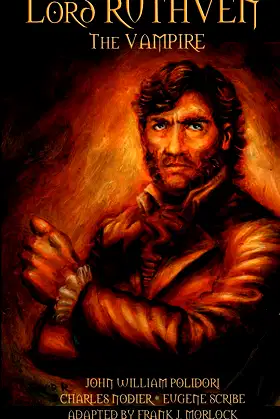
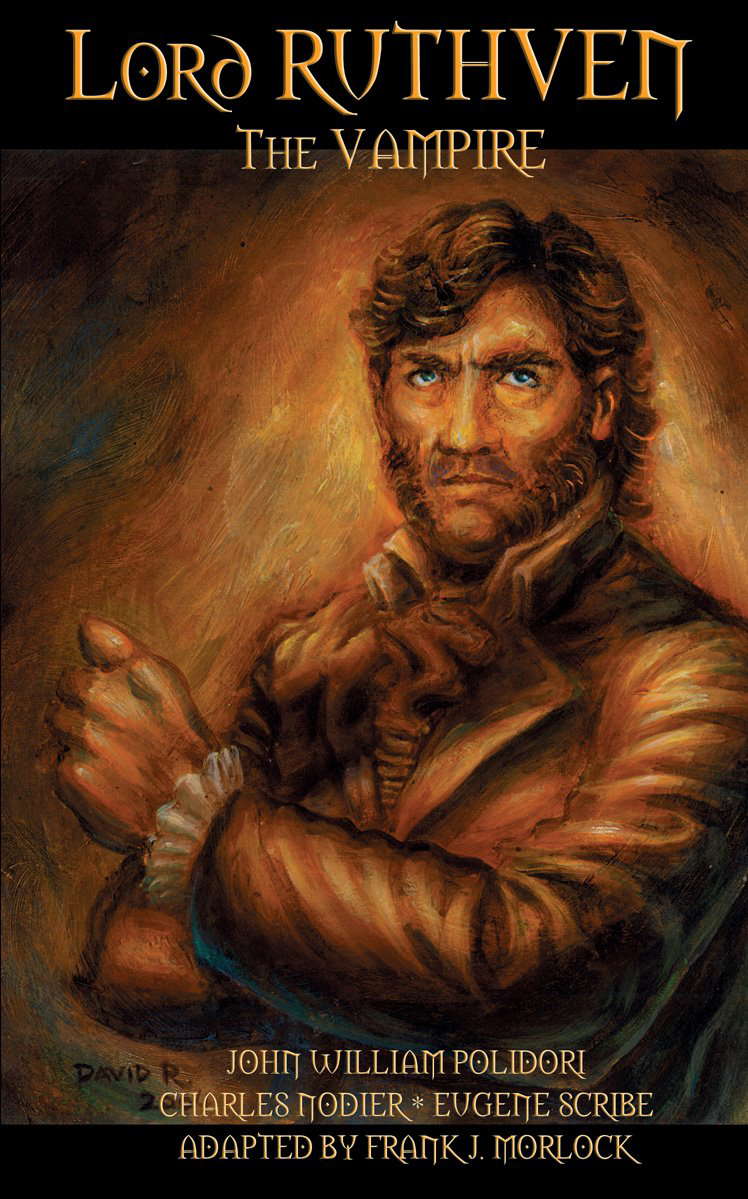
In the early 1800s, young British aristocrat Aubrey travels through Italy and Greece in the company of the mercurial and fantastic Lord Ruthven. Later, he believes his friend to have been mysteriously slain. But when Ruthven returns from the dead to prey on his sister, he realizes that the enigmatic stranger is none other than a vampire! The character of the Byronesque vampire Lord Ruthven was first imagined in 1816 by John William Polidori on the same night that Mary Shelley created Frankenstein and published in 1819, becoming the first vampire in English fiction. The character of Lord Ruthven went on to inspire a number of famous French authors who penned their own versions of the tale. This is part of 4-volume selection of some French works featuring the first romantic vampire in the history of popular literature. Lord Ruthven the Vampyre includes the original 1819 novelette by John William Polidori, which started it all; two extracts of letters from Polidori; a fragment from an uncompleted novel by Lord Byron showing his own take on the character; an 1820 stage play by Charles Nodier (with possible uncredited assistance by Achille de Jouffroy, Jean Toussaint Merle and Carmouche), Le Vampire, translated by Frank J. Morlock as The Vampire; an 1821 vaudeville play by Eugène Scribe and Mélesville also entitled Le Vampire, translated by Morlock as Being Lord Ruthven; and, finally, The Adventure of the Beneficent Vampire, an all-new story by Morlock.
Find it on
AmazonNo videos available yet.
No news articles linked to this title yet.

Overall
Overall rating of the media
Atmosphere
How immersive and tense is the atmosphere
Gore
Level and quality of gore/violence
Story
Quality of the storyline and plot
Writing
Quality of the written content
Character Development
Depth and growth of characters
Pacing
Flow and timing of the narrative